
These buns are for anyone who wants a healthier burger night without ending up with a sad, flimsy bread disc that dissolves on contact with tomato juice. Whole wheat flour gives them body and a pleasantly nutty flavor, while yogurt and egg keep the crumb tender enough for actual enjoyment. In short: lighter than many standard burger buns, but still structurally sound. A rare quality these days.
 Breads
Low-Calorie Whole Wheat Burger Buns
Soft, simple burger buns made with whole wheat flour, egg, and yogurt for a lighter lift without collapse. They are tender enough for a burger, sturdy enough for dinner, and far less chaotic than most modern bread situations. And way less calories than a normal one because I won't go to fat camp again.
Ingredients
Make your own version Start from these ingredients in the recipe builder, swap what you like and see the nutrition per serving.
Preparation Steps
Mix the wet base
In a mixing bowl, whisk the egg, egg whites, skyr or yogurt, olive oil, and salt until smooth and cooperative.
Make the dough
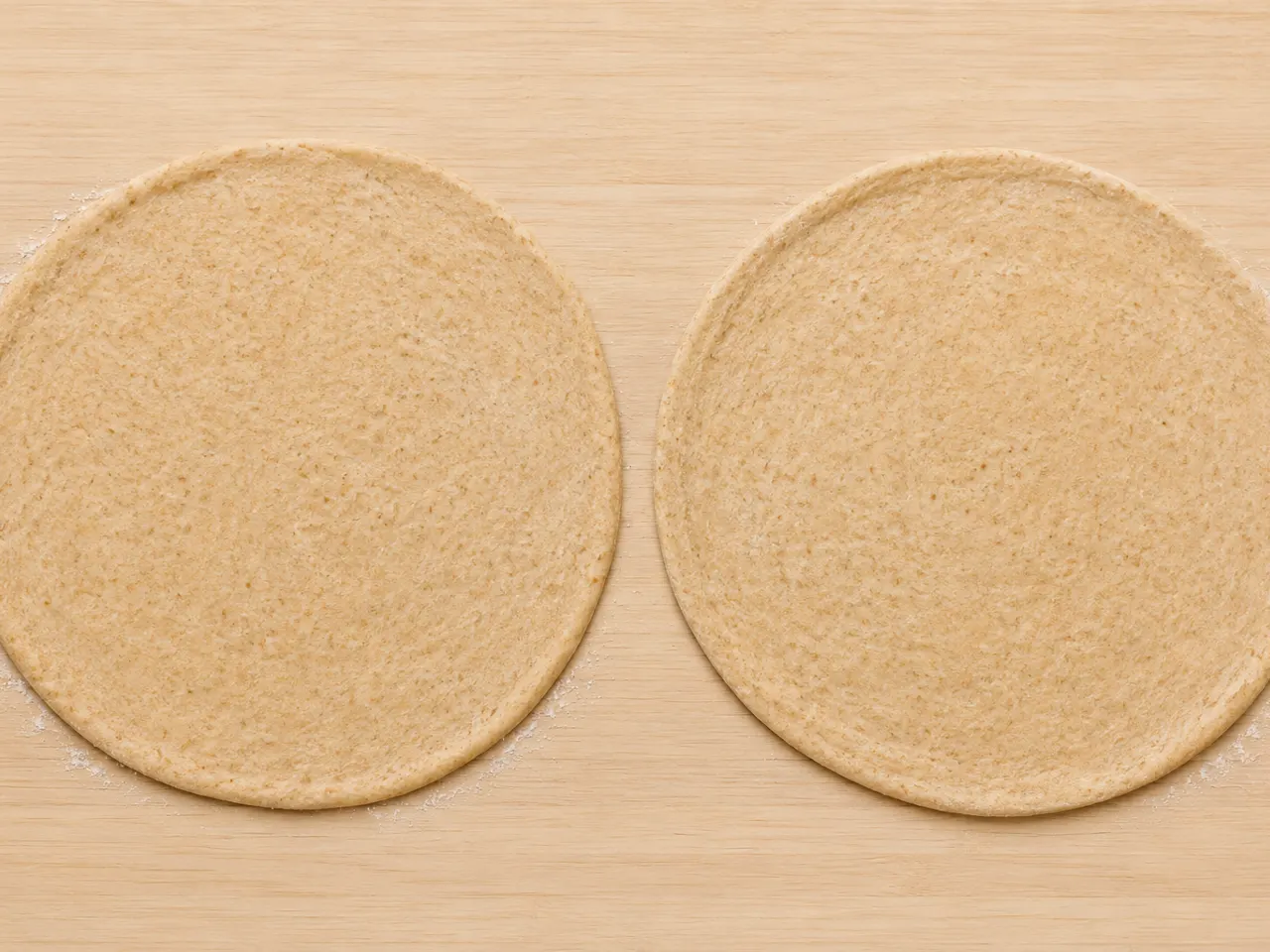
Add the whole wheat flour & yeast and mix until a soft dough forms. Knead the dough until it looks even and feels supple rather than rebellious.
Rest the dough
Let the dough rest for 1h so the whole wheat flour can hydrate and the dough can calm down before shaping, oh & you should also wait for it to double in size.
Shape the buns
Divide the dough into 4 neat burger buns, wait another hour or so until it's doubled in size. Place the buns on a baking tray and brush the tops with egg, then scatter the 6 g sesame seeds over the surface.
Bake until set
Bake the buns at 180 degrees celsius in the oven until the tops are golden and the centers are cooked through. Let the buns cool slightly so they slice without turning into a warm regret.
Recipe insights
A lighter bun that does not fold under pressure
Why they work well for health
The full batch brings plenty of protein and an impressive amount of fiber, which makes these buns far more useful than the usual white-flour fluff. Per bun, you are looking at roughly 260 calories, about 12 grams of protein, and around 7.6 grams of fiber. That means better satiety, steadier energy, and a burger setup that does not feel like nutritional cosplay. Whole grains support digestive health, and the moderate use of egg and yogurt keeps the recipe practical without pushing it into heavy territory.
Why they fit a more planet-friendly plate
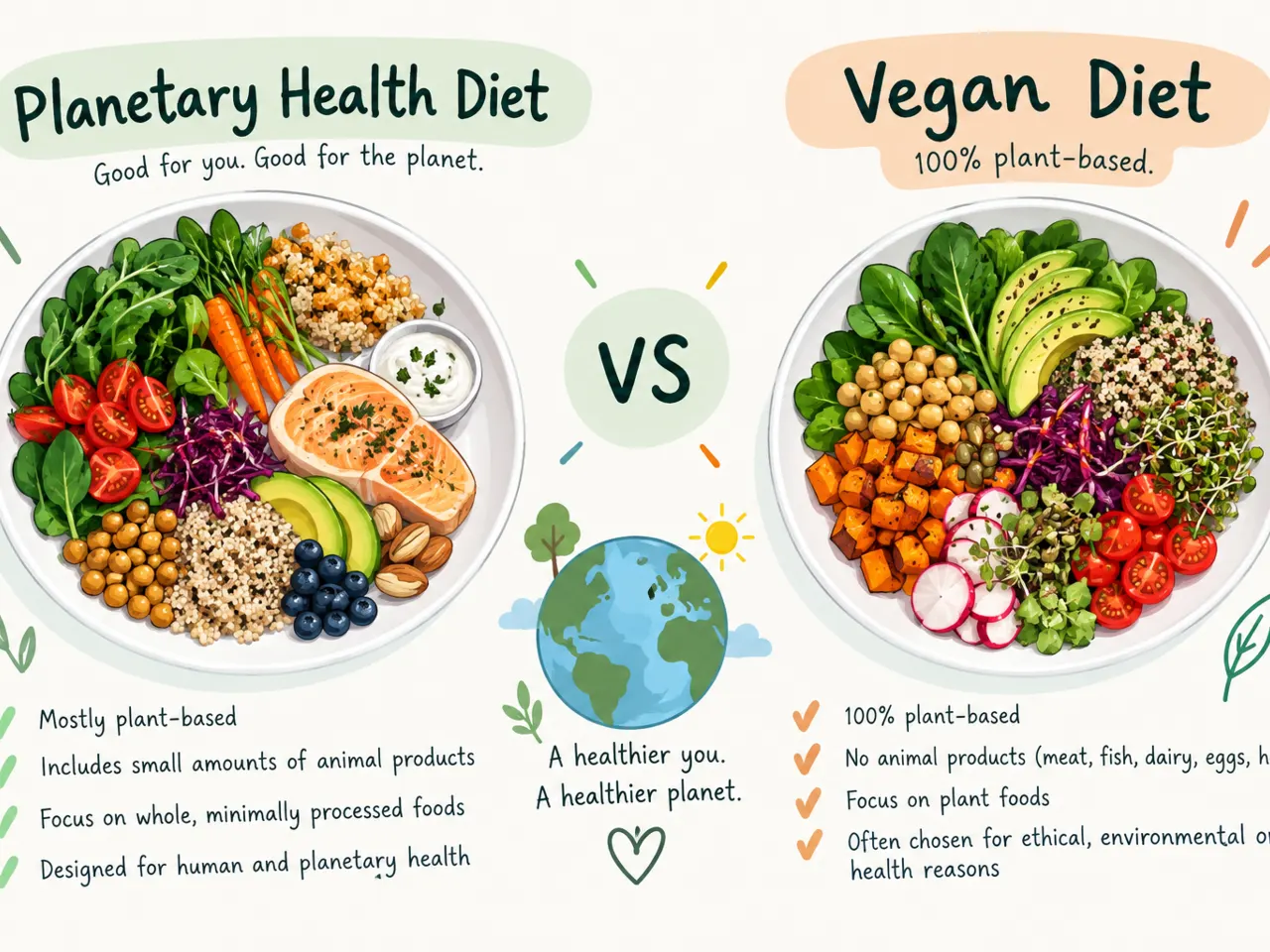
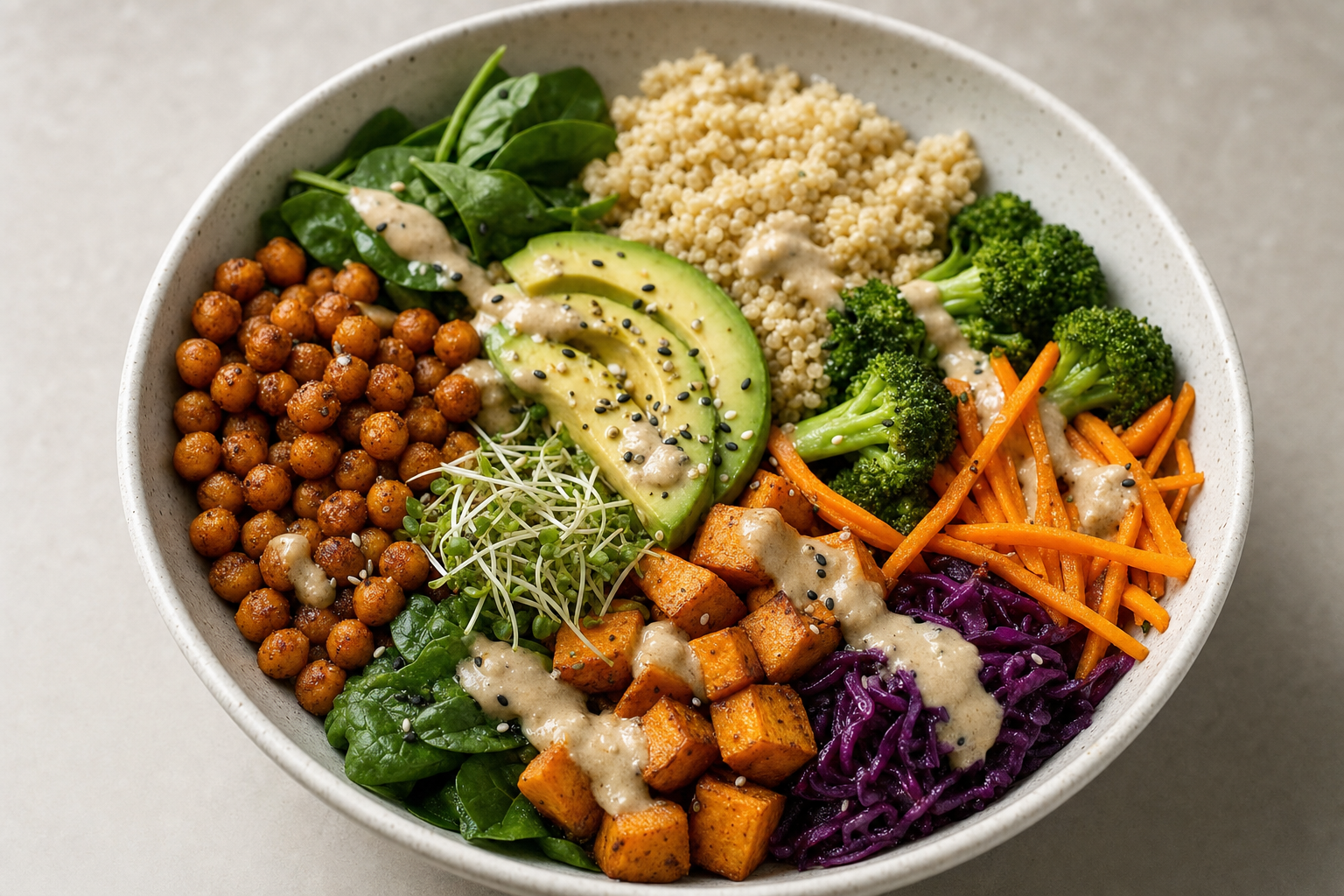
From an Eat-Lancet point of view, these buns lean in the right direction: mostly whole grain, modest in animal ingredients, and easy to pair with bean burgers, lentil patties, grilled vegetables, or even a smaller portion of meat if that is your family compromise. The dairy and eggs are present, yes, because real life exists, but in restrained amounts. If you want to push the recipe further toward plant-forward territory, soy yogurt and aquafaba are both workable swaps. Civilization survives, and so does burger night.
Best ways to serve them
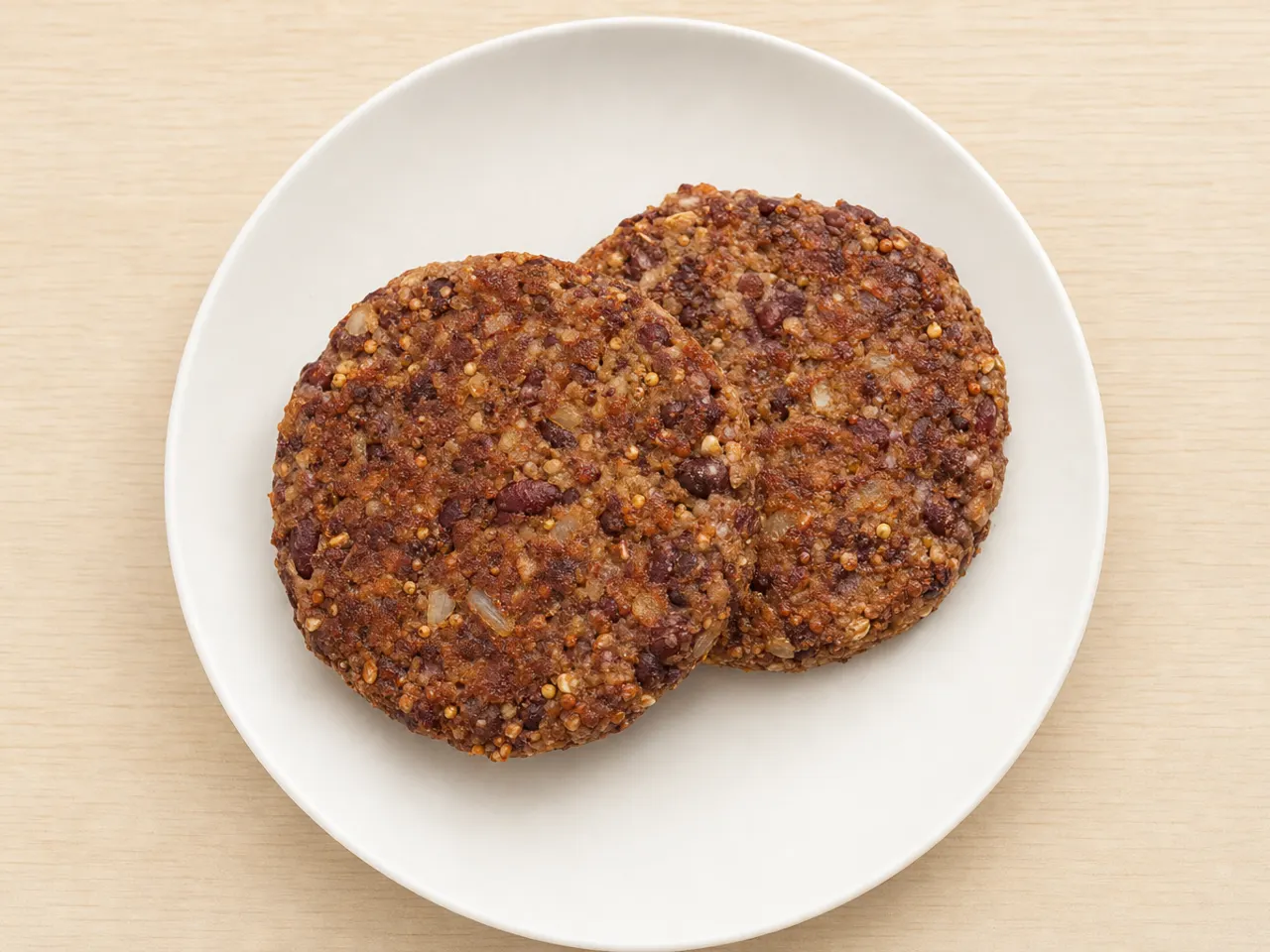
These buns are especially good with veggie burgers, smashed chickpea patties, black bean burgers, grilled mushrooms, or a simple chicken burger if that is where your household currently stands on the plant-forward journey. Add crunchy lettuce, sharp onions, and something tangy, and you have a burger that feels generous without requiring a nap and an apology afterward. They also freeze well, which is helpful when future-you needs bread and present-you has already done enough.


Recipe builder
Your recipe, measured like ours.
Pick your ingredients from our catalogue built on Health Canada’s Canadian Nutrient File, enter the grams and see the nutrition of every serving. Keep it to yourself, or share it with the community.
Lentil & bulgur bowl with walnuts
- Green lentils, dry240 g
- Bulgur, dry200 g
- Baby spinach300 g
- Cherry tomatoes300 g
- + walnuts, olive oil70 g
- Per serving
- 545 kcal
- Protein
- 25 g
- Fibre
- 16 g
Energy from
- Protein 18%
- Carbs 57%
- Fat 25%
Nutrition from Health Canada · CNF 2026
Comments
Be the first to comment 👇