
Meet the Brains & the Belly Behind Feast on the Planet

What happens when a stubborn home cook marries a nutritionist? A blog, of course. One that tries (and mostly succeeds) to make sustainable food taste like... food.

Transparency corner: we shot the recipe and article photos ourselves (yes, in a real kitchen, not a Pixar lab). A few got a tiny AI glow-up for lighting/details — mostly because our photo budget is currently 3 coins, a spoon, and good intentions. The food is still ours, and still very mortal.

Lionel

Lionel

Stubborn Cook, Occasional Meat Mourner

Lionel grew up thinking every meal needed a steak. Or at least some cheese melting seductively on top. Now, armed with legumes and sarcasm, he’s turned his culinary rebellion into an art of compromise: less meat, more plants — and surprisingly, more flavor.
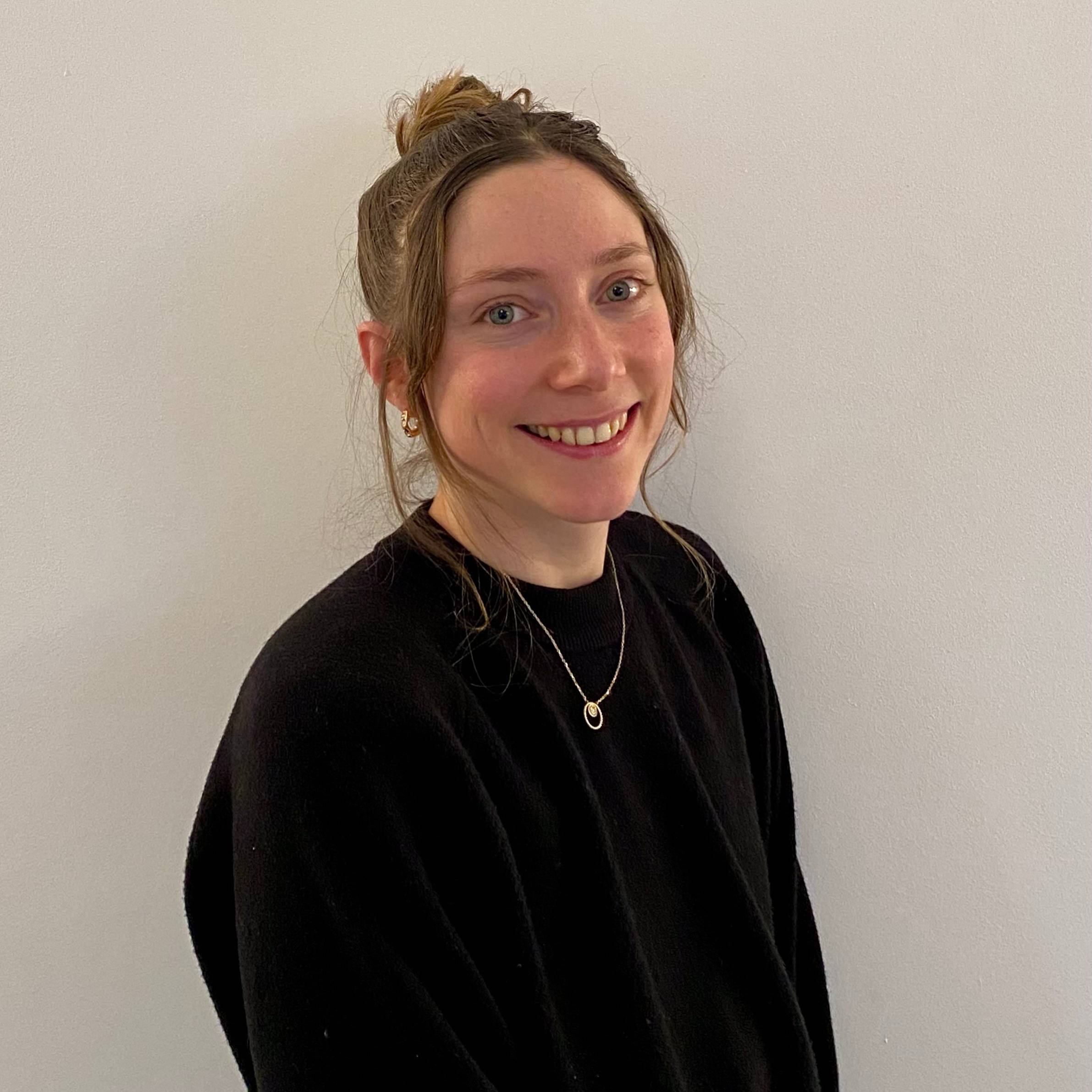
Dr. Catharina.

Dr. Catharina.

Doctor, Nutritionist & Flavor Police

Dr. Catharina is here to remind you (and Lionel) that your body is not, in fact, indestructible. Passionate about nutrition and planetary health, she’s the one who reads the studies, calculates the macros, and occasionally confiscates the butter.

Our Deliciously Difficult Mission

Feast on the Planet is built on a simple idea: eating well shouldn’t cost the Earth. Literally. Our editorial foundation is the EAT-Lancet Planetary Health Diet— a flexible framework connecting healthy diets with sustainable and just food systems.

But let’s be honest. Transitioning from fondue to flaxseed isn’t exactly a spiritual awakening. That’s why we’re not here to preach. We're here to experiment, adapt, and laugh through it (preferably with a spoon in hand).

We still eat meat, fish, eggs, and dairy. We simply try to eat them a little less often, in amounts closer to the flexible EAT-Lancet ranges. For us, less, not never is a realistic way to reduce our impact on the planet while still enjoying the food we grew up with.

Expect recipes that flirt with tradition, cheat with cheese, and somehow land in that sweet spot: balanced, plant-forward, family-friendly, and still drool-worthy.

Feast on the Planet is independent and is not affiliated with or endorsed by EAT or The Lancet. Read how we use the framework.

How we calculate nutrition

Built on Health Canada’s CNF 2026 data

Our ingredient profiles and recipe nutrition totals use the Canadian Nutrient File (CNF) 2026. It gives us a consistent, reference-quality foundation instead of relying on product labels or crowdsourced entries.

  1. Ingredient profile

    Each recipe ingredient is matched to its closest CNF food and its values per 100 g.

  2. Weighted recipe total

    We scale those values to the actual ingredient quantities used in the recipe.

  3. Per-portion view

    The full recipe total is divided by the selected number of portions for an easier comparison.

Transparent about missing data

CNF does not report every nutrient for every food. When a value is unavailable, we label it as missing or show the available coverage—we never silently count it as zero.

Get in Touch

Got questions about lentils, planetary boundaries, or why Lionel still dreams of steak? Drop us a message — we promise to reply (eventually).