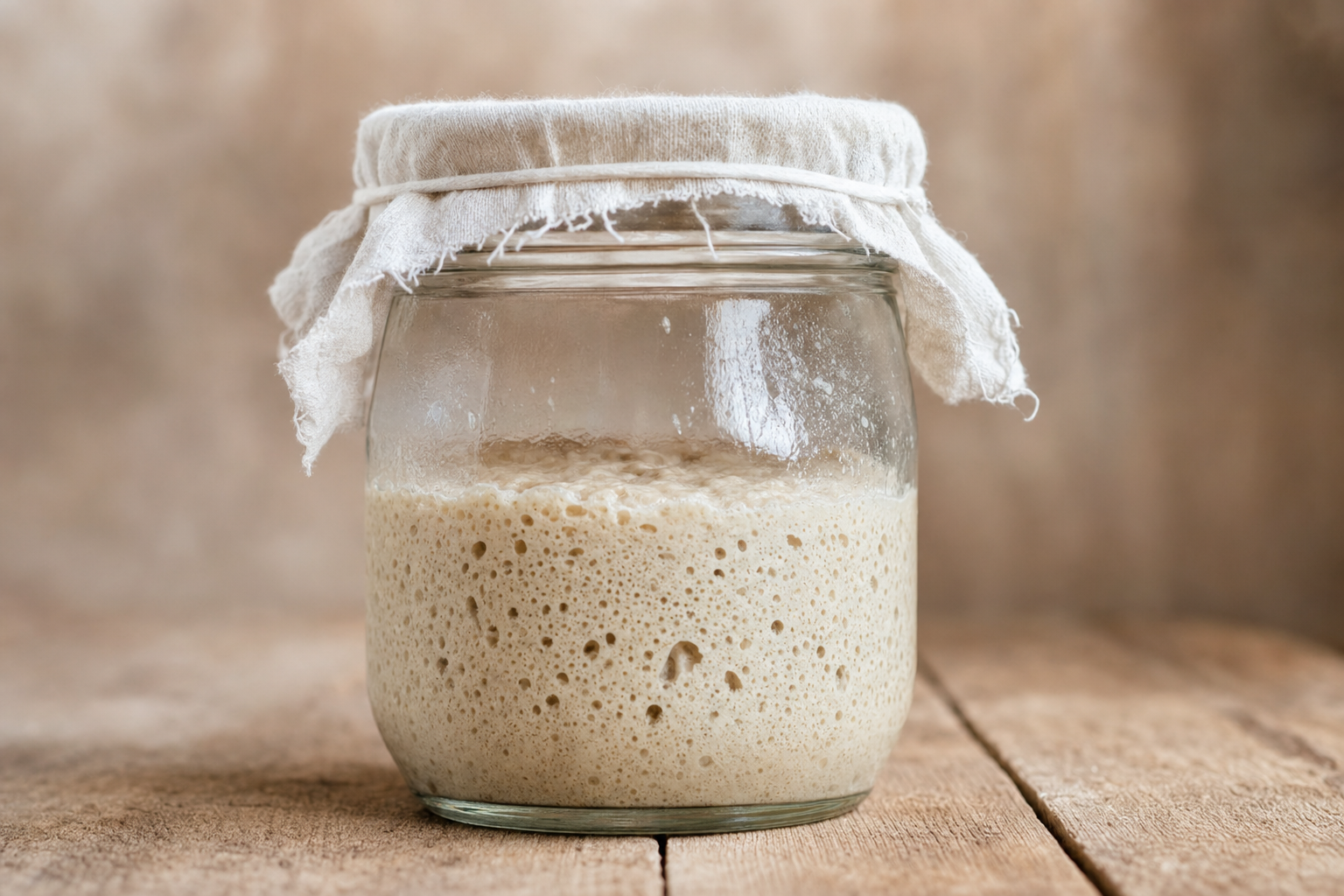
A Jar of Flour, Water, and Mild Domestic Suspense
Starting a sourdough culture sounds like the kind of project people begin after buying linen aprons and developing opinions about hand-thrown ceramics. In reality, it is much simpler: mix equal parts flour and water in a jar, leave it loosely covered, and feed it daily with fresh flour and water for about 5 to 7 days. Whole grain rye or whole wheat usually helps things get moving faster, because the natural yeasts and bacteria living on the grain are ready to party. By day three, your starter may smell tangy, look bubbly, and seem suspiciously alive. Good. That means the microbes are doing their very old, very useful job. If it smells pleasantly sour rather than truly horrifying, you are on the right track.
How to Keep It Alive Without Making It Your Entire Personality
A basic routine works well: keep about 50 to 100 grams of starter, discard part of it, then feed it with equal weights of flour and water once a day at room temperature. When it reliably doubles in size a few hours after feeding, it is ready to bake with. If daily feeding sounds a bit intense, like adopting a tiny flour-based pet with digestive issues, you can store it in the fridge and feed it weekly once established. The beauty of sourdough is that it teaches patience while still being practical. And unlike many wellness trends, this one ends in bread, which already makes it morally superior.
Why Sourdough Can Be Nutritionally Smarter
From a nutrition point of view, sourdough fermentation does more than make bread taste impressive. The long fermentation process can help break down some of the compounds in grains, especially phytic acid, which may improve the availability of minerals like iron, zinc, and magnesium. Fermentation also partly pre-digests starches and proteins, which some people find makes sourdough easier to digest than fast-risen white bread. It is not magic, and it is definitely not a permission slip to eat half a loaf while standing over the cutting board, but sourdough made with whole grains can be a genuinely nourishing staple: more fiber, steadier energy, and better satiety than ultra-processed packaged bread that somehow survives three geological eras on the shelf.
The Eat-Lancet Angle: Better Bread, Fewer Industrial Detours
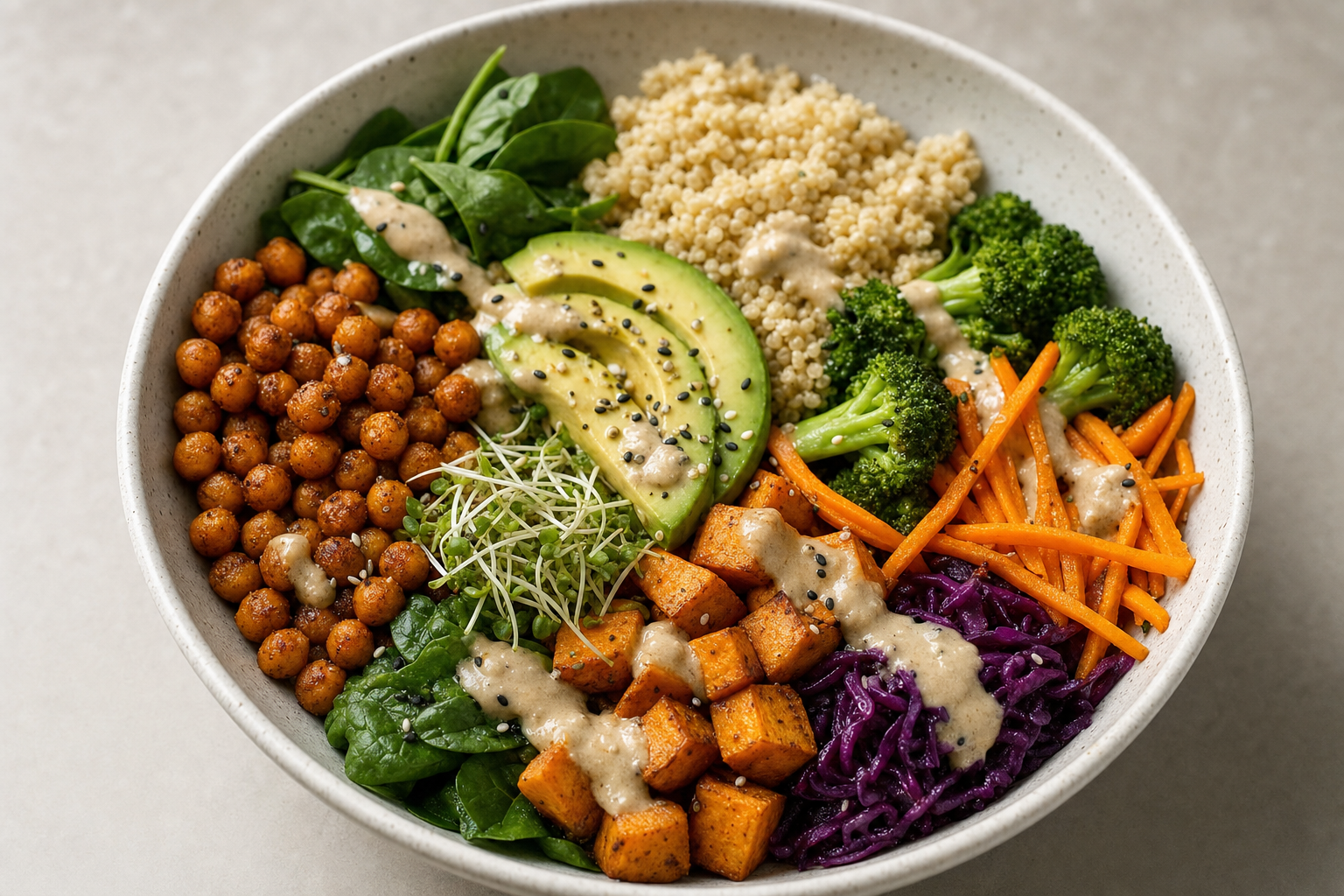
From an Eat-Lancet perspective, sourdough fits beautifully into a diet centered on whole grains, legumes, vegetables, nuts, and modest amounts of animal foods. Baking your own bread can support a more plant-forward way of eating because bread becomes what it was always meant to be: a supporting actor for bean soups, lentil spreads, roasted vegetables, and the occasional slice of cheese, not just a vehicle for processed meat avalanches. Homemade sourdough also tends to reduce packaging waste, encourages the use of simple ingredients, and can be budget-friendly compared with artisanal loaves sold at prices suggesting the baker personally suffered for your crumb structure. In short, sourdough is old-school in the best way: humble, delicious, resource-conscious, and surprisingly aligned with a healthier food future.
A Good Place to Begin
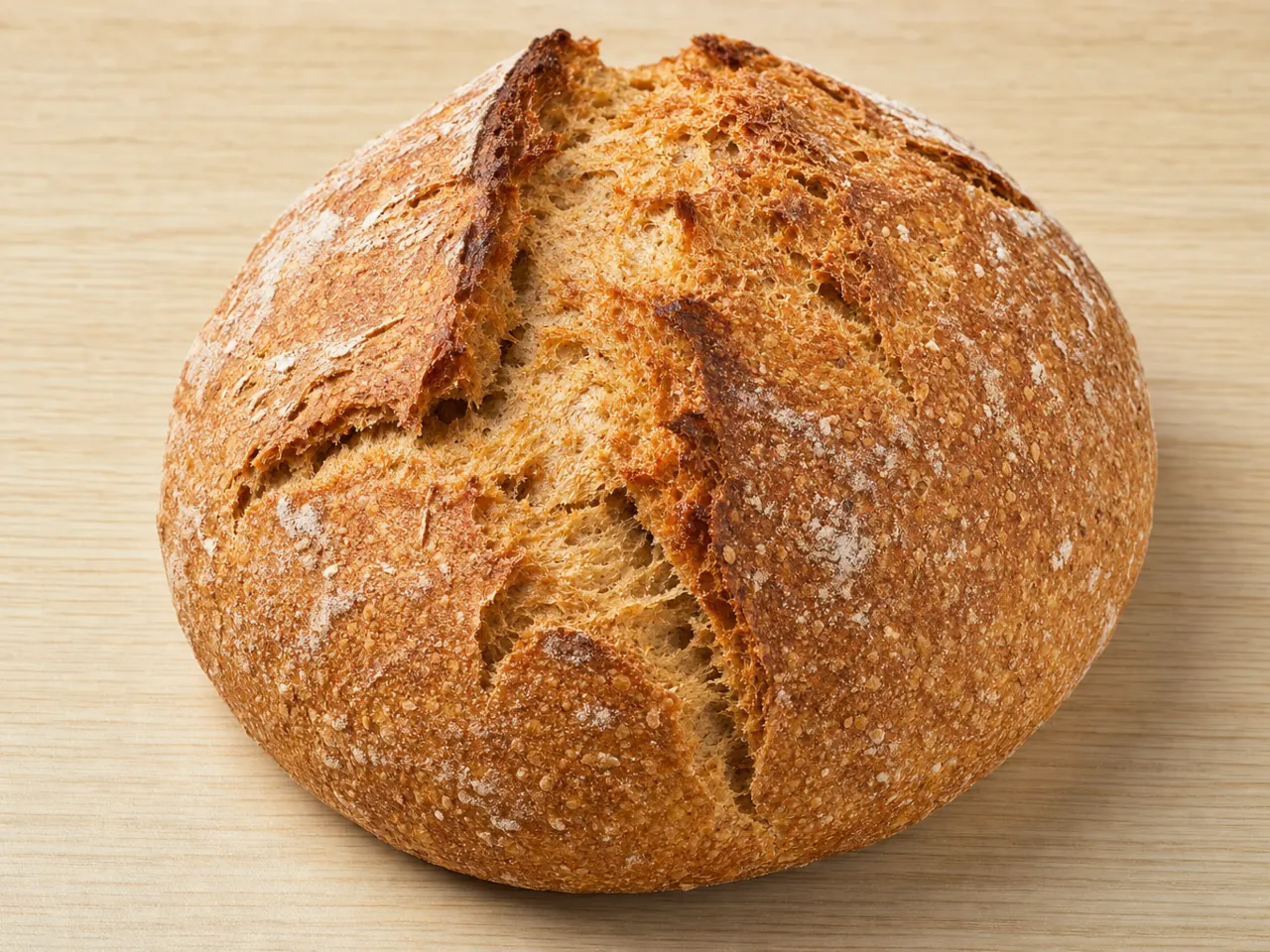
If you want to start, begin with one jar, one bag of flour, and very modest expectations. Your first loaf may be dense, dramatic, or shaped like a failed geography project. That is fine. The point is not perfection on day one. The point is learning a kitchen rhythm that turns basic ingredients into something flavorful, nourishing, and deeply satisfying. Once you smell that first real loaf cooling on the counter, with its crackling crust and slightly tangy crumb, you will understand why people get attached to fermented flour. Some hobbies ruin your budget. This one mostly improves toast.



Comments
Be the first to comment 👇