
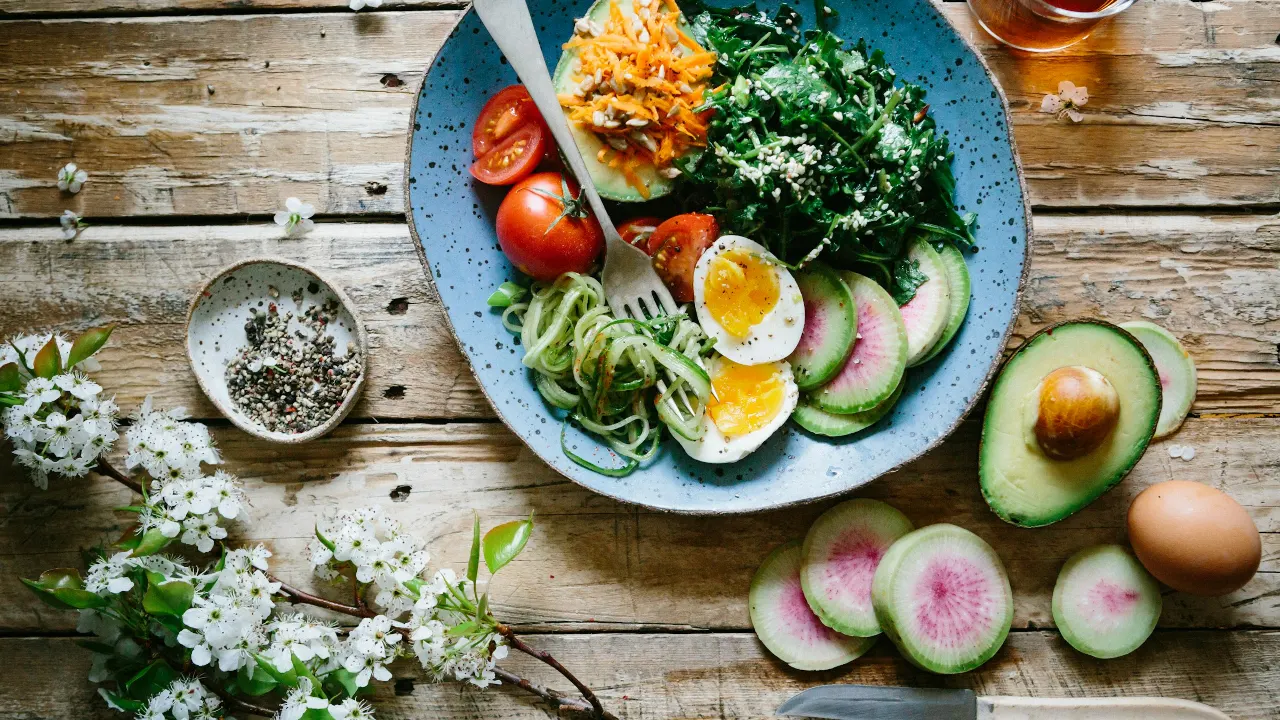
The plate is familiar; the report is not
In 2019, the EAT-Lancet Commission recommended an average of 14 grams of red meat a day. In 2025, the reference amount became 15 grams (Let's goooo). Vegetables stayed at 300 grams, fruit at 200 grams and legumes at 75 grams. If you were expecting a completely new Planetary Health Diet, the food table is going to disappoint you. [Willett et al., 2019] [Rockström et al., 2025]
The bigger change is what the Commission now tries to explain. The original report asked whether the world could feed a growing population healthy diets without exceeding environmental limits. The 2025 update asks a harder question: can food systems deliver those diets without exhausting the planet and while protecting the people who grow, process, sell and buy our food?
The new assessment draws on further dietary-health research, evaluates the food system's pressures across all nine planetary boundaries and gives measurable attention to food affordability, working conditions and unequal environmental impacts. It's sometimes something we forget, but it's very important that the people who care for our food work in correct conditions.
The gram-by-gram comparison is surprisingly uneventful
The clearest way to compare EAT-Lancet 2019 with EAT-Lancet 2025 is to look at the reference amounts side by side. The older table used a 2,500-kcal reference diet; the newer presentation uses roughly 2,400 kcal. We have to eat less, such a pity.[Willett et al., 2019] [Rockström et al., 2025]
- Vegetables: 300 g in 2019; 300 g in 2025.
- Fruit: 200 g in both reports.
- Whole grains: 232 g in 2019; 210 g in 2025.
- Legumes: 75 g in both reports.
- Nuts and peanuts: 50 g in both reports.
- Dairy: 250 g in both reports.
- Red meat: 14 g in 2019, combining the original beef/lamb and pork entries; 15 g in 2025 (GREAT).
- Poultry: 29 g in 2019; 30 g in 2025 (MORE).
- Fish: 28 g in 2019; 30 g in 2025.
- Eggs: 13 g in 2019; 15 g in 2025.
The 2025 table also makes fats easier to distinguish. It allocates 40 g to unsaturated plant oils, 6 g to palm or coconut oil and 5 g to lard, tallow or butter. Added or free sugar is shown at 30 g, while sodium is explicitly listed below 2,000 mg a day. A reference figure is not necessarily a recommended minimum. [Rockström et al., 2025]
One hundred and five grams of red meat per week is the 2025 daily reference multiplied by seven. That could mean a small portion on one day, rather than 15 grams carefully weighed out every evening (makes more sense). Similarly, 30 g of fish a day translates into about 210 g per week. EAT's suggested weekly examples include roughly two fish servings and two eggs. The reference amounts allow room for different cuisines and meat-free diets.
The shift from 232 to 210 g of whole grains is not an invitation to replace brown rice with refined white flour. Both reports prioritise whole grains over refined carbohydrates. The pattern stays plant-rich and flexible.
Why did the estimated health benefit rise from 11 million to 15 million?
The 2019 EAT-Lancet Commission estimated that widespread adoption of healthier diets could prevent roughly 11 million premature adult deaths a year. The 2025 Commission gives an estimate of about 15 million avoidable deaths annually, equivalent to approximately 27% of global mortality. That jump sounds as if a new diet has proved dramatically better. It hasn't. The diet barely changed; the evidence base and estimation methods did. [Willett et al., 2019] [Rockström et al., 2025]
One useful piece of evidence arrived between the two commissions. A 2024 analysis followed more than 200,000 US health professionals across three long-running cohorts. Participants whose diets scored highest on a Planetary Health Diet Index had a 23% lower adjusted rate of death during follow-up than those in the lowest-scoring group. The associations extended to several causes of death. [Bui et al., 2024]
The 2025 Commission combines diet-health associations with population-level data and modelling assumptions to estimate the potential worldwide benefit. The result is a scenario, not a measured body count or a promise about any individual's lifespan. Comparing 11 million and 15 million as though they were two measurements from the same instrument would overstate the change.
A cautious conclusion is also a useful one: the evidence for a plant-rich dietary pattern is stronger and broader than it was in 2019, while the uncertainty attached to long-range population projections has not vanished.
Nutrition gets more attention, especially for people with higher needs
The 2025 report spends more time on whom a Planetary Health Diet must actually nourish. The update explicitly considers young children, women of reproductive age, regional food cultures and food processing. [Rockström et al., 2025]
That attention has a scientific backstory. A 2023 analysis argued that the original reference pattern could fall short of some micronutrients when judged without fortification or supplements, particularly bioavailable iron, calcium and zinc. Bioavailability means how much of a nutrient the body can absorb and use, not merely how much appears on a nutrition label. Phytates in whole grains and legumes, for example, can reduce absorption of certain minerals. [Beal et al., 2023]
The updated guidance therefore makes room for tailored diets and for fortified foods or supplements where necessary. Vitamin B12 needs particular attention in vegan diets. Iron needs can be higher during reproductive years, and young children's energy and nutrient requirements don't fit neatly into an adult's 2,400-kcal diagram. In places where childhood undernutrition is common, increasing access to nutrient-dense animal foods can be beneficial.
The report also pays closer attention to food processing. A diet built on beans, oats, fruit and vegetables is not interchangeable with one made mostly from refined starches and sugary packaged foods merely because both contain limited beef. On the other hand, processing is not a single nutritional verdict: freezing spinach, canning beans and fortifying a plant drink can make a healthy diet easier or more adequate.
The environmental model now examines all nine planetary boundaries
The 2019 Commission paired its proposed diet with a set of environmental limits for food production, looking at pressures such as greenhouse gases, land use, freshwater and nutrient pollution. The 2025 update goes further: it estimates how the food system contributes to all nine recognised planetary boundaries, from climate change and biodiversity loss to synthetic pollution and ocean acidification. The Commission identifies food systems as the leading driver of transgression for five boundaries. [Rockström et al., 2025]
It's a proposed limit on human pressure on an Earth system. Nitrogen and phosphorus fertilisers, for instance, help grow crops, but surplus nutrients can escape into rivers and coastal waters and fuel damaging algal blooms. Expanding pasture or cropland can destroy habitats. Cattle release methane through digestion, while fertiliser use releases nitrous oxide. Irrigation can deplete freshwater in already stressed regions.
The 2025 Commission attributes roughly 30% of global greenhouse gas emissions to food systems. It also tests combinations of dietary change, more sustainable production practices and reductions in food loss and waste. Changing what we eat can reduce pressure from livestock and land demand, but it cannot by itself eliminate emissions from inefficient supply chains, poor fertiliser management or discarded food. Nor would more efficient farming alone cancel out every consequence of rising demand. But act on what you can ! [EAT, 2025]
This is why the expanded environmental chapter matters more than small edits to the diet table. A meal with beans instead of beef can lower several pressures at once, yet the way those beans are farmed, transported and wasted still counts. The 2025 framing looks beyond individual shopping decisions to how food is produced.
The biggest addition is a question of fairness
The word just appears in the 2025 Commission's title for a reason. The first EAT-Lancet report discussed food security and equity, but the update introduces explicit social foundations for judging whether food systems meet basic human needs and rights. Those include access to a healthy diet, decent working conditions, a safe environment and the ability to influence decisions that affect livelihoods. [Rockström et al., 2025]
The Commission estimates that more than 3.7 billion people live in countries where its social-foundation thresholds are not met. It also reports that only about 1% of the world's population lives in countries meeting its combined benchmarks for environmental safety and social justice. These are country-level assessments, not claims that researchers inspected the fairness of every household's dinner. These figures depend on the chosen thresholds. [EAT, 2025]
Food affordability is an obvious part of that mismatch. Telling someone to buy nuts, fresh produce and a diverse range of proteins is not useful if the recommended basket costs more than their household can reasonably spend. The Commission's analysis places roughly 2.8 billion people below its healthy-diet affordability threshold. The answer isn't simply to find cheaper recipes: income, agricultural wages, public policy and the availability of nutritious foods are part of the calculation.
Environmental responsibility is uneven, too. According to the updated assessment, the wealthiest 30% of countries account for more than 70% of the food system's share of planetary-boundary pressures. That doesn't mean every individual in a wealthy country has the same impact. It does mean that asking poorer populations to shoulder equal responsibility for a problem they contributed less to is neither fair nor likely to work.
The consequence is uncomfortable for a report that started with an ideal dinner plate: improving the food system also means changing subsidies, labour protections, supply chains and purchasing power. It can't supply a living wage to the person who grew its ingredients.
So what should actually change in your kitchen?
For someone already cooking roughly along the 2019 Planetary Health Diet, the 2025 report is not a reason to rebuild the pantry. You don't need to reduce whole grains because one table now says 210 rather than 232 grams. The familiar habits still do the most work: cook more plants, vary protein sources, choose mostly whole grains and use red and processed meat sparingly.
A practical week can be built around ordinary dishes rather than precise daily quotas:
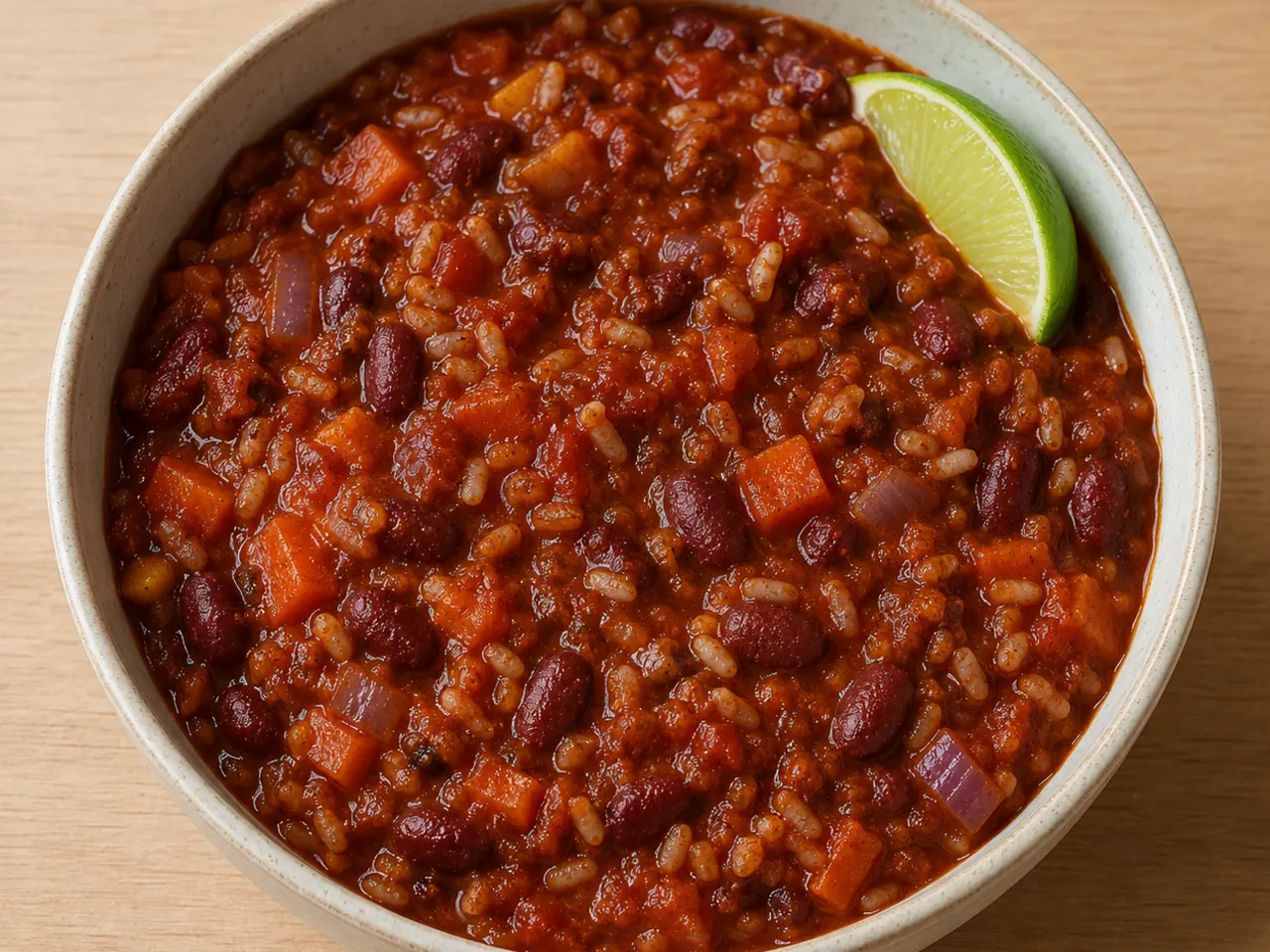
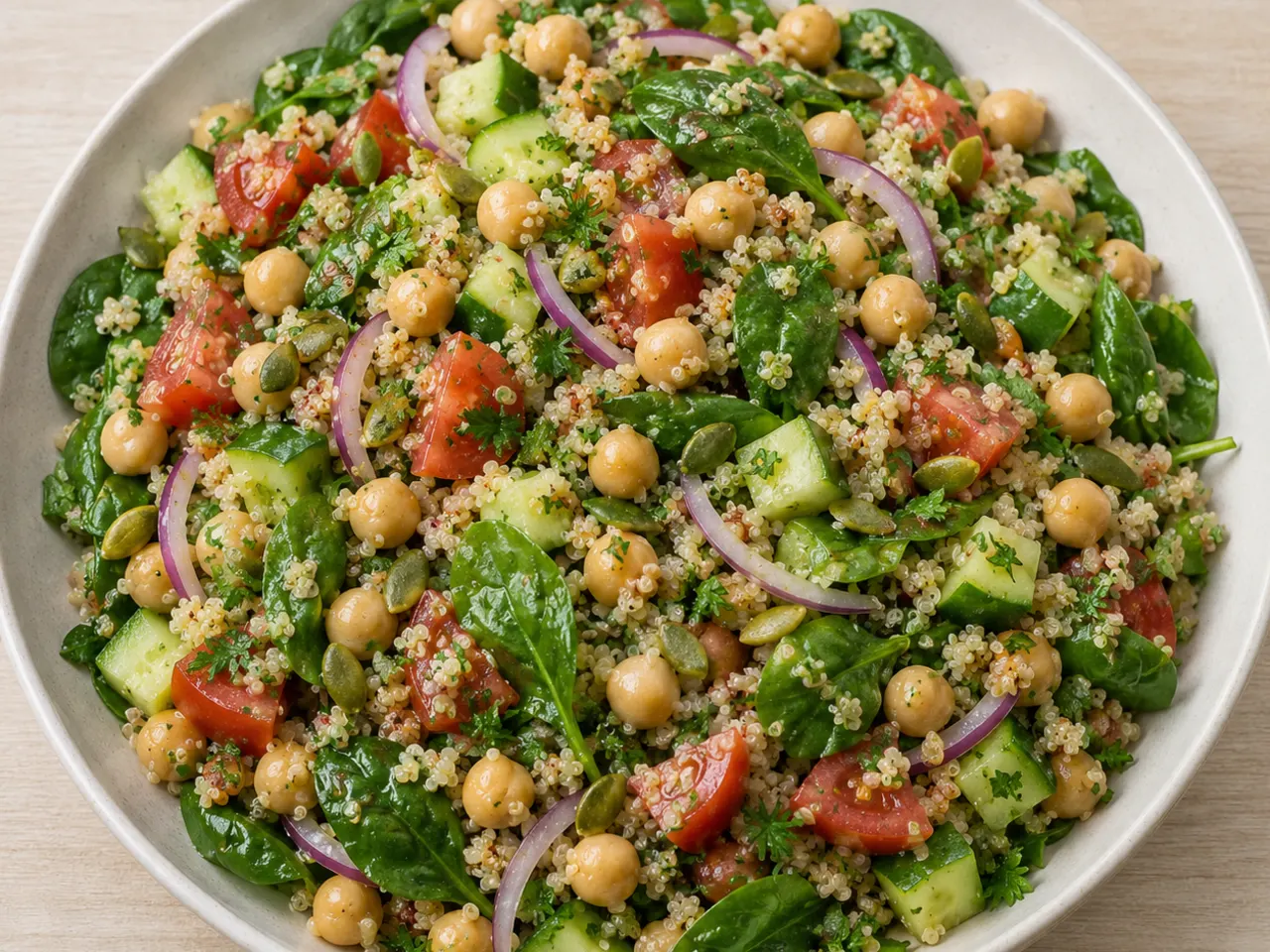
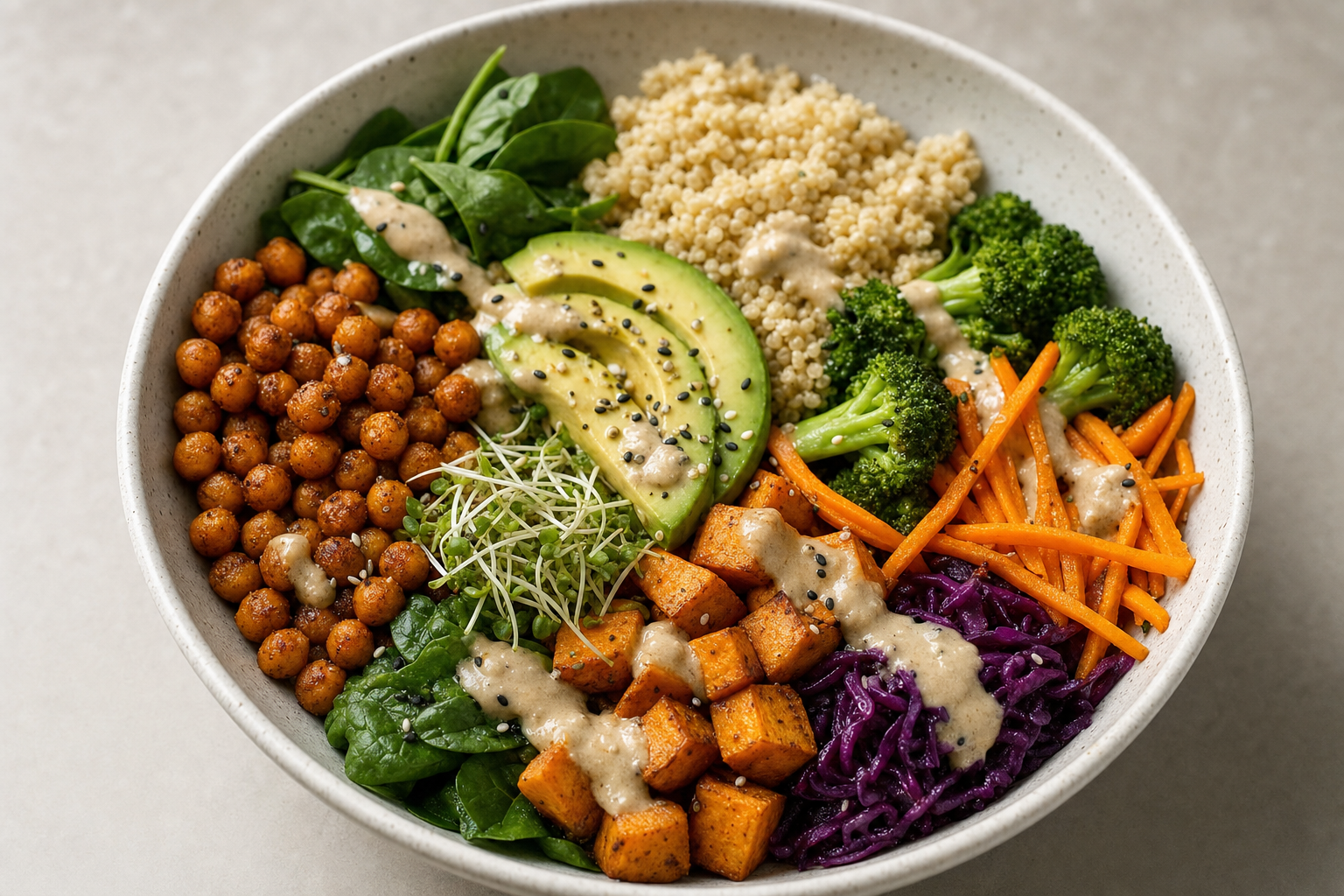
- Keep two or three reliable legume meals. Lentil pasta, chickpea curry, bean chilli or a lentil soup bring protein and fibre without making meat the centre of the meal.
- Make vegetables easy to use. Frozen spinach, tinned tomatoes and seasonal vegetables count; a freezer can be more useful than an ambitious shopping list.
- Include nuts, seeds and unsaturated oils. Add them where they improve a meal, rather than treating grams on the reference chart as a daily challenge.
- Use animal foods deliberately, if you eat them. A little cheese, eggs, fish or poultry can fit the pattern. A small red-meat meal occasionally also fits its flexible ranges.
- Plan for the people eating. A small child, a pregnant person and a highly active adult may need different portions or specific nutrients even when they share the same main dish.
- Waste less of what you buy. Batch-cook grains, freeze extra portions and use leftovers before they spoil.
There's a broader shopping question, too. When price allows, look for seasonal and accessible foods, and consider where products come from and how producers and workers are treated. Those choices alone won't repair the food system. Public procurement, farm policies and fair pay need to do some of the work.
The most useful way to read EAT-Lancet 2025 is therefore not as version 2.0 of a restrictive diet. It's an updated account of why the original plant-rich pattern still holds up, what researchers now understand better, and why healthy eating only becomes a credible global goal when people can afford the ingredients and the planet can sustain their production.

Comments
Be the first to comment 👇