It is a dietary framework, not a guarantee of adequate intake
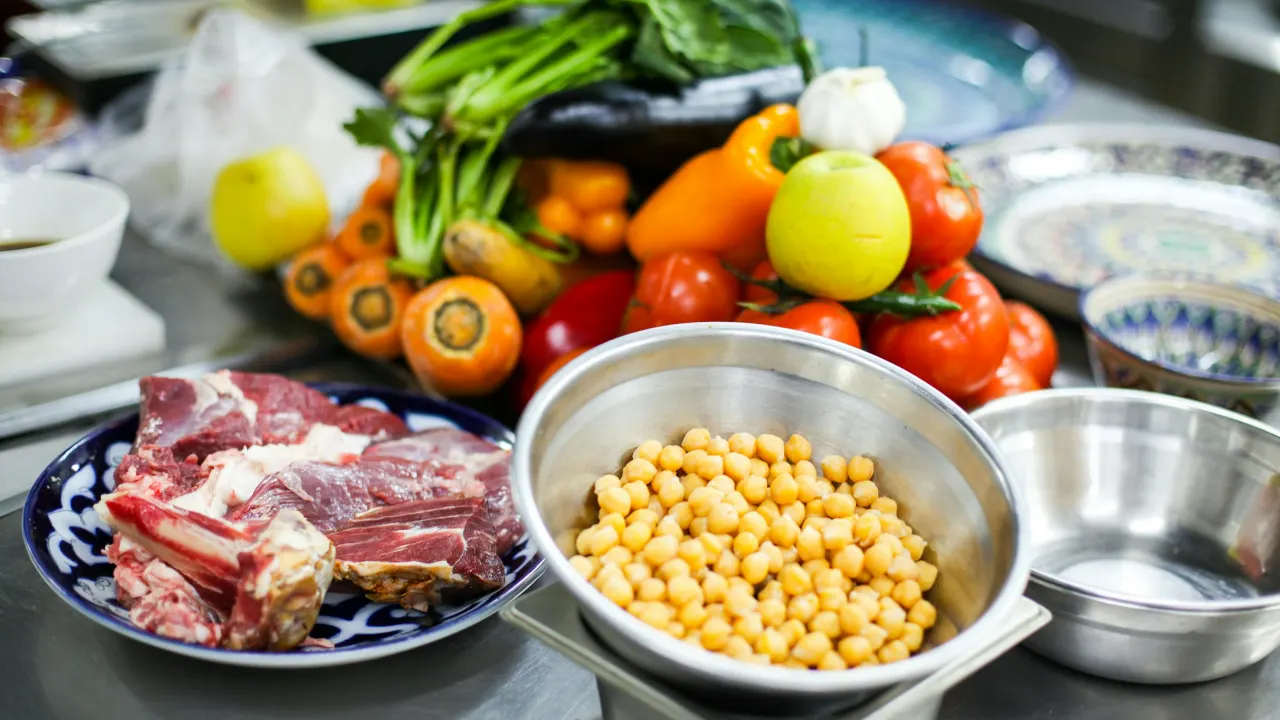
The short answer is: the Planetary Health Diet can support good nutrition, but following its food-group pattern does not automatically meet every nutrient need. It emphasizes vegetables, fruit, whole grains, legumes, nuts and unsaturated fats. It also allows moderate amounts of animal-source foods; it is not a prescribed vegan diet. The point is to change the overall balance of what people eat, not to make everyone eat the same menu. [EAT-Lancet Commission, 2025]
“Nutritionally complete” has a stricter meaning than “generally healthy.” A complete diet supplies enough energy and essential nutrients over time for a particular person. That depends on portion sizes, food choices within each group, fortified foods, absorption and life stage. A pattern that works for one adult may need substantial adjustment for a pregnant person or a growing child.
The useful question, then, is not whether every meal matches a diagram. It is whether the foods actually eaten cover the nutrients that become harder to obtain when meat and dairy portions shrink. A week of beans, grains and vegetables may bring plenty of variety and still provide too little vitamin B12 or calcium if nothing reliably supplies them.
The evidence points to benefits and specific nutrient gaps
A systematic review and meta-analysis reported associations between greater adherence to the EAT-Lancet diet and lower risks of several chronic diseases, including cardiovascular disease and type 2 diabetes. Its assessment of nutritional safety also projected shortfalls in vitamin B12, calcium, iron and zinc under globally averaged versions of the diet, with particular concern during pregnancy. Those projections identify a planning problem; they do not mean that everyone eating this way has a clinically diagnosed deficiency. [PMID:42225169]
The distinction matters. Much of the health evidence compares what people report eating with later health outcomes. Such studies can show associations, but differences in income, healthcare, smoking and other habits can complicate the interpretation. Nutrient modeling asks a different question: whether a specified selection of foods is likely to meet nutrient requirements. It cannot tell us what every household buys, how foods are fortified locally or how much iron an individual absorbs.
Neither result cancels out the other. A diet may be associated with better long-term health outcomes while its standard food-group proportions leave particular nutrients tight. Conversely, a well-planned version can differ meaningfully from a reference menu. The practical response is to keep the plant-rich pattern and check the nutrients for which its details matter most.
Protein is manageable; iron and zinc require closer attention
Legumes, soy foods, nuts and whole grains can contribute substantial protein. The common mistake is to treat vegetables as the main replacement for a reduced portion of meat. They are useful foods, but a plate built around vegetables alone may not provide enough protein or energy. Make lentils, beans, tofu or another substantial protein food part of the meal, and keep grains, nuts or seeds in the wider daily mix. Foods do not have to be paired in a particular mouthful to provide complementary amino acids; variety across the day is the more useful goal.
Iron and zinc need more deliberate planning because the amount listed for a food is not necessarily the amount absorbed. Plant iron is non-heme iron, whose absorption varies with the rest of the meal. Phytate, a compound in grains, legumes, nuts and seeds, can bind minerals and reduce their availability. Animal-source foods generally provide more readily available forms of several nutrients, while preparation and meal composition can improve availability from plants. [PMID:42739054]
In the kitchen, put vitamin-C-rich foods such as peppers, citrus or tomatoes alongside beans or lentils to improve non-heme iron absorption. Soaking, sprouting, fermentation and bread leavening can reduce some phytate; none turns every food into an unlimited mineral source. If iron status is already low, a clinician can assess the cause and whether food changes alone are enough. Taking iron without checking is not a substitute for finding out why stores are depleted.
Vitamin B12 and calcium need dependable sources
Vitamin B12 is the clearest example of why “plant-rich” and “nutritionally complete” are not synonyms. Unfortified plant foods are not reliable B12 sources. Fish, meat, eggs and dairy can supply it, but whether modest amounts cover a person's needs depends on what and how often they eat. Someone following a fully vegan version needs a reliable B12 supplement or consistently consumed fortified foods; occasional seaweed or fermented vegetables are not a sound plan.
Calcium takes a similar check of the actual shopping basket. Dairy is one option, but fortified plant milk, calcium-set tofu and lower-oxalate greens such as kale and bok choy can also contribute. Read plant-milk labels rather than assuming all cartons are fortified. If it replaces dairy as a regular drink, a fortified soy milk can provide protein as well as calcium, whereas other plant milks vary considerably. Shake a calcium-fortified carton before pouring if its label advises it, because added calcium may settle.
Spinach is nutritious, but its oxalate binds much of its calcium; it is not an interchangeable substitute for a low-oxalate green when calcium is the goal. Nor does a single calcium-rich dinner correct an otherwise sparse intake. The more reliable approach is to identify foods eaten regularly that supply calcium and B12, then check their labels or nutrient content against local guidance.
Vitamin D, iodine and omega-3 depend on circumstances
Some questions extend beyond the main shortfalls identified in diet models. Vitamin D can be difficult to obtain from food alone, regardless of dietary pattern. Oily fish, eggs and fortified foods may contribute, but sunlight exposure, season, location and individual circumstances affect the broader picture. Check local supplementation advice rather than assuming that a varied menu settles it.
Iodine deserves a look when fish, dairy and eggs are limited. Iodized salt can be a predictable source where available, although iodine content and fortification practices differ by country. Seaweed is less predictable: iodine levels vary widely, and more is not always better. For omega-3 fats, walnuts, ground flaxseed and some oils provide alpha-linolenic acid, or ALA. Fish supplies the longer-chain forms EPA and DHA directly; people who avoid fish can consider an algae-derived source. The body converts some ALA to EPA and DHA, but that conversion is limited.
Needs are not fixed across life. Pregnancy, breastfeeding, childhood and adolescence raise the stakes for adequate energy and specific nutrients. A review of plant-based diets in adolescents found recurring concerns about B12, iron, zinc, calcium and vitamin D, while stressing that diet quality varies greatly between patterns. It also noted that much adolescent-specific evidence is low-certainty. The implication is planning and appropriate professional advice, not an assumption that plant-rich eating is unsuitable for young people. [PMID:42797002]
Build the pattern around foods you can obtain and repeat
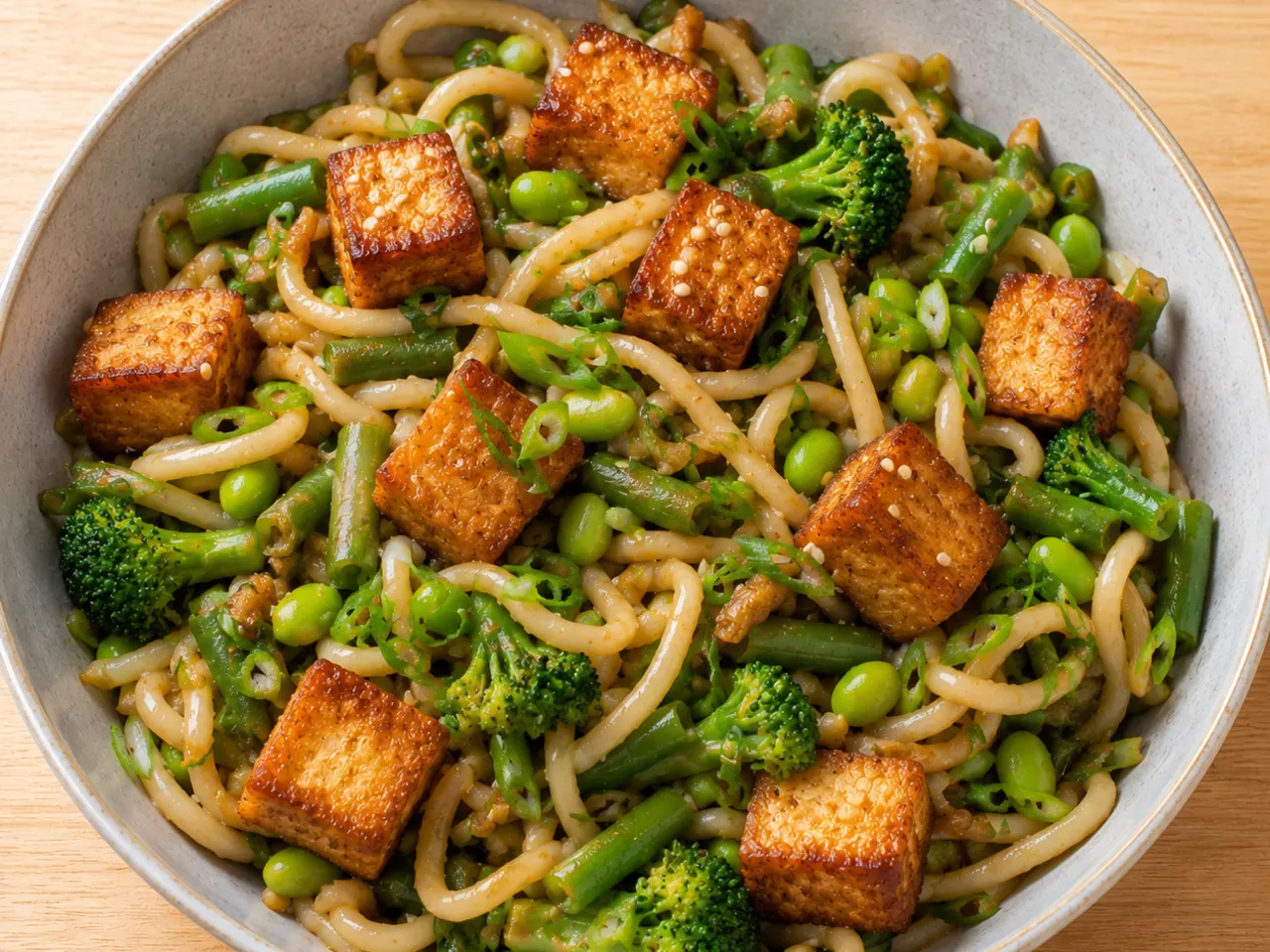
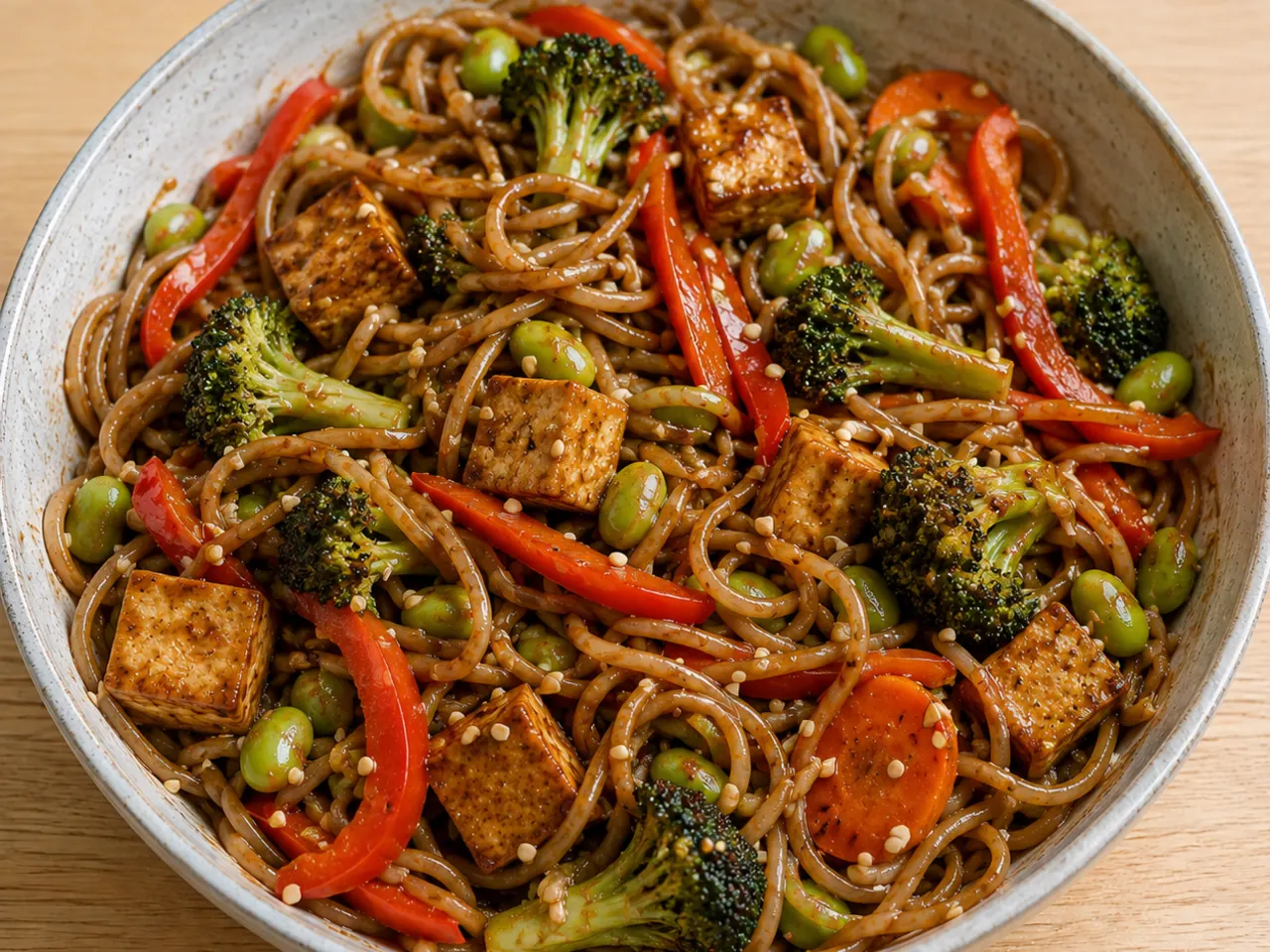
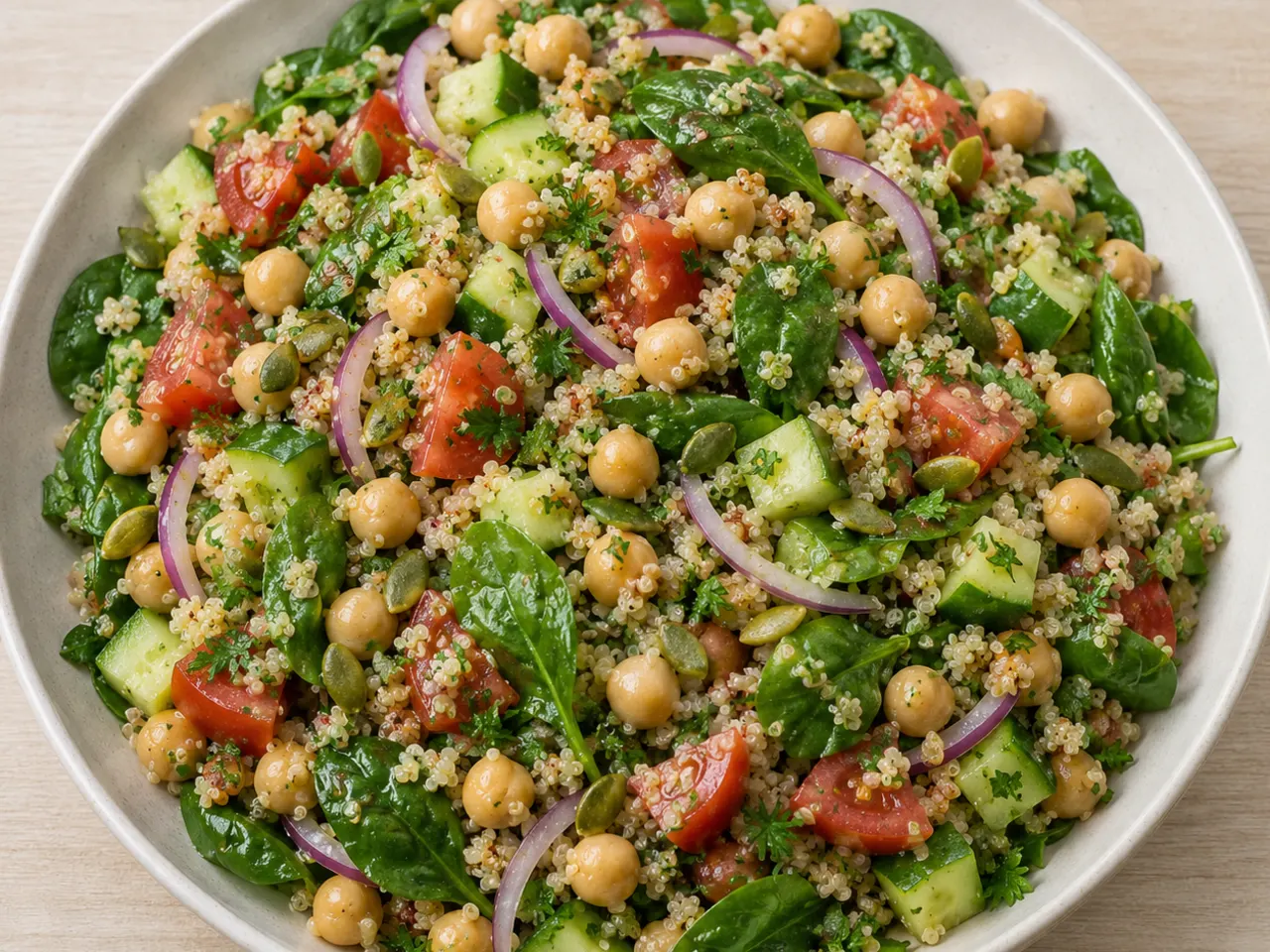
A workable version starts with meals rather than nutrient arithmetic. A day might include oats with fortified milk or soy milk and nuts; lentils with whole grains and vegetables at lunch; and tofu, beans, fish or eggs with vegetables and a starchy food at dinner. These are examples, not a menu that will meet everyone's requirements. The important checks are whether the day contains enough food, a substantial protein source, and dependable sources of the nutrients that are easy to miss.
When shopping, a short set of decisions does more than a long list of ideal foods:
- Choose a repeatable staple. Dried or canned beans, lentils, tofu and whole grains make plant-rich meals easier to sustain.
- Check what is fortified. Compare plant milks and other substitutes for calcium, B12 and, where relevant, vitamin D.
- Decide where animal foods fit. Fish, eggs, meat or dairy can be included without abandoning the pattern; if they are absent, plan reliable alternatives.
- Review needs that change. Pregnancy, a child's growth, a restricted diet or known low iron status calls for more individual attention.
There is an environmental reason to shift the balance: food-production analyses find substantial footprint differences between food categories, with animal products such as beef generally carrying higher impacts than legumes, although production methods also matter. [Poore and Nemecek, 2018]
The answer is conditional, not evasive
Importantly, this does not mean that the Planetary Health Diet is inherently nutritionally incomplete. The 2025 EAT-Lancet Commission found that the PHD provides adequate amounts of most nutrients and concluded that food choices can be optimized within its reference values to achieve nutritional adequacy across population groups. The distinction is between simply falling somewhere inside a broad food-group range and building a nutrient-dense diet within those ranges.
In other words, a well-planned Planetary Health Diet can be nutritionally complete without departing from the EAT-Lancet framework. The ranges themselves are not an automatic guarantee, however: several animal-source food categories can fall as low as zero, so a diet at the lower end of all of them still needs dependable alternative sources of nutrients such as vitamin B12, calcium, iron and iodine. These can come from carefully selected foods, fortified foods or supplements where appropriate.
Comments
Be the first to comment 👇