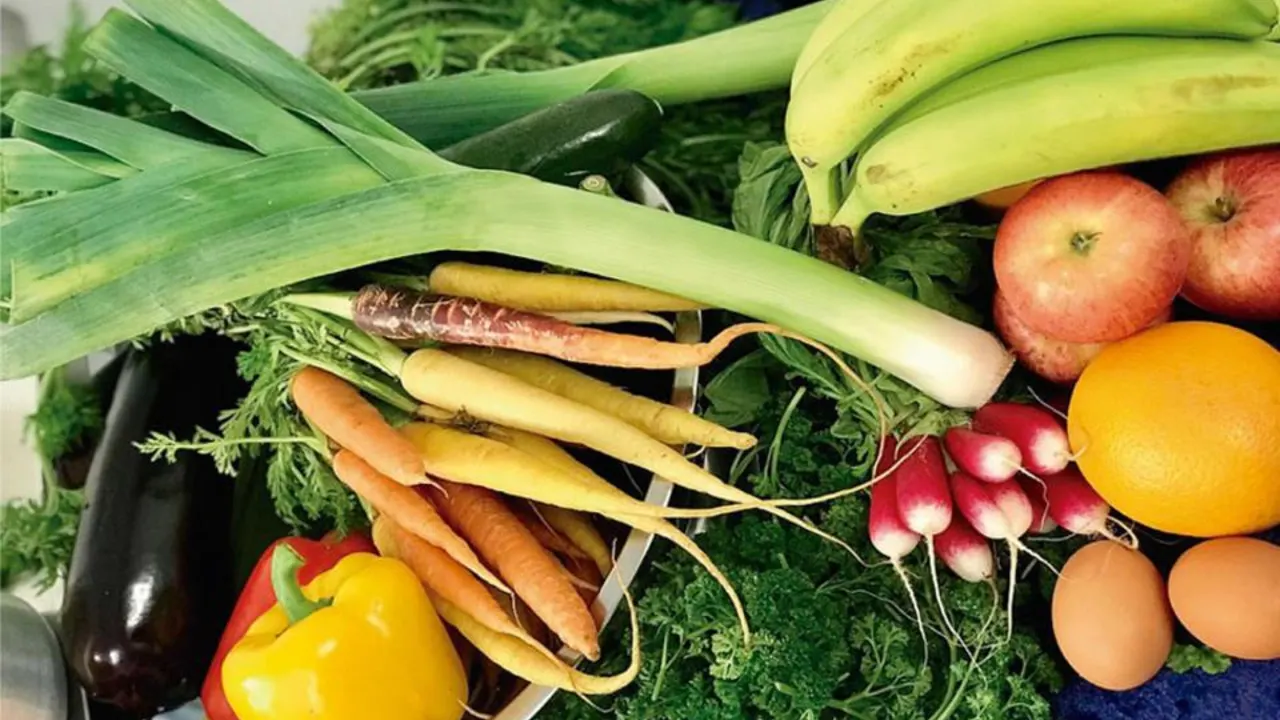
A food pattern, not a list of forbidden foods
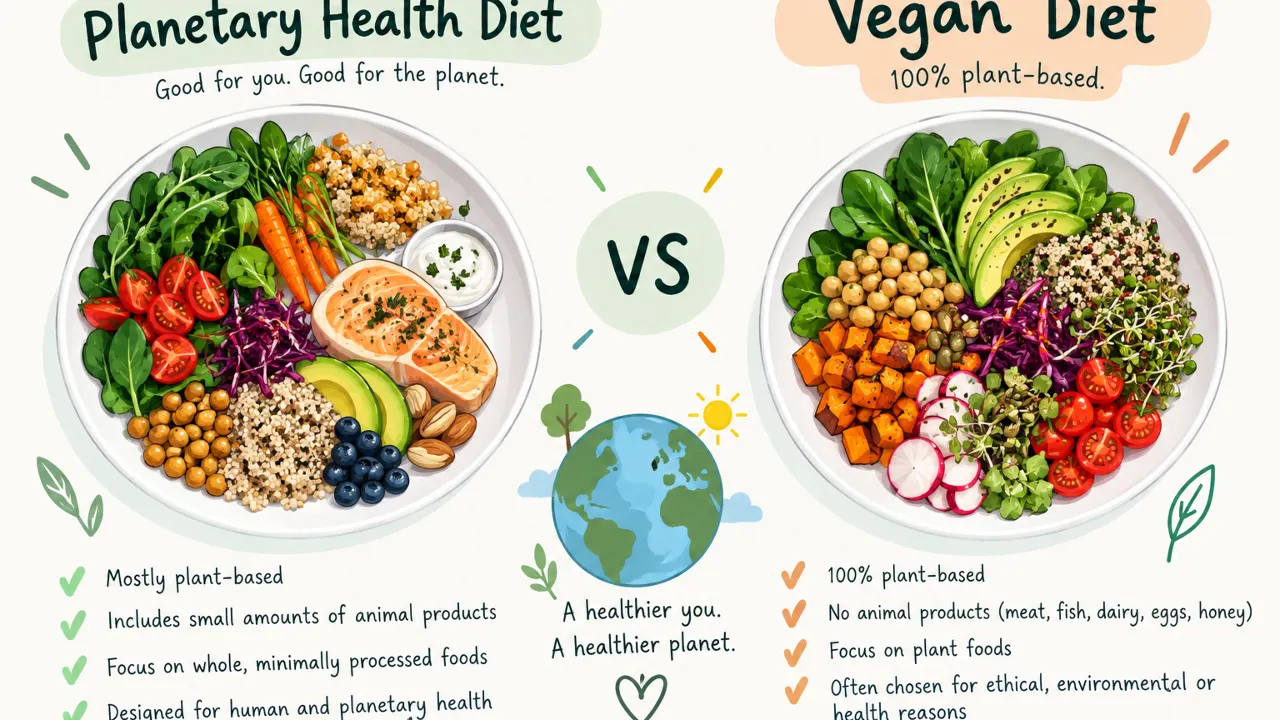
The planetary health diet is a way of eating designed around two questions: can a dietary pattern support human health, and could food systems produce it with less environmental harm? The EAT-Lancet framework answers by emphasizing vegetables, fruit, whole grains, legumes, nuts, and unsaturated fats, while allowing smaller amounts of animal foods. It is a reference pattern for populations, not a prescribed menu for every person or a requirement to become vegan (which is fine, but a lot of people tend to become agressive when you mention veganism). [EAT-Lancet Commission, 2025]
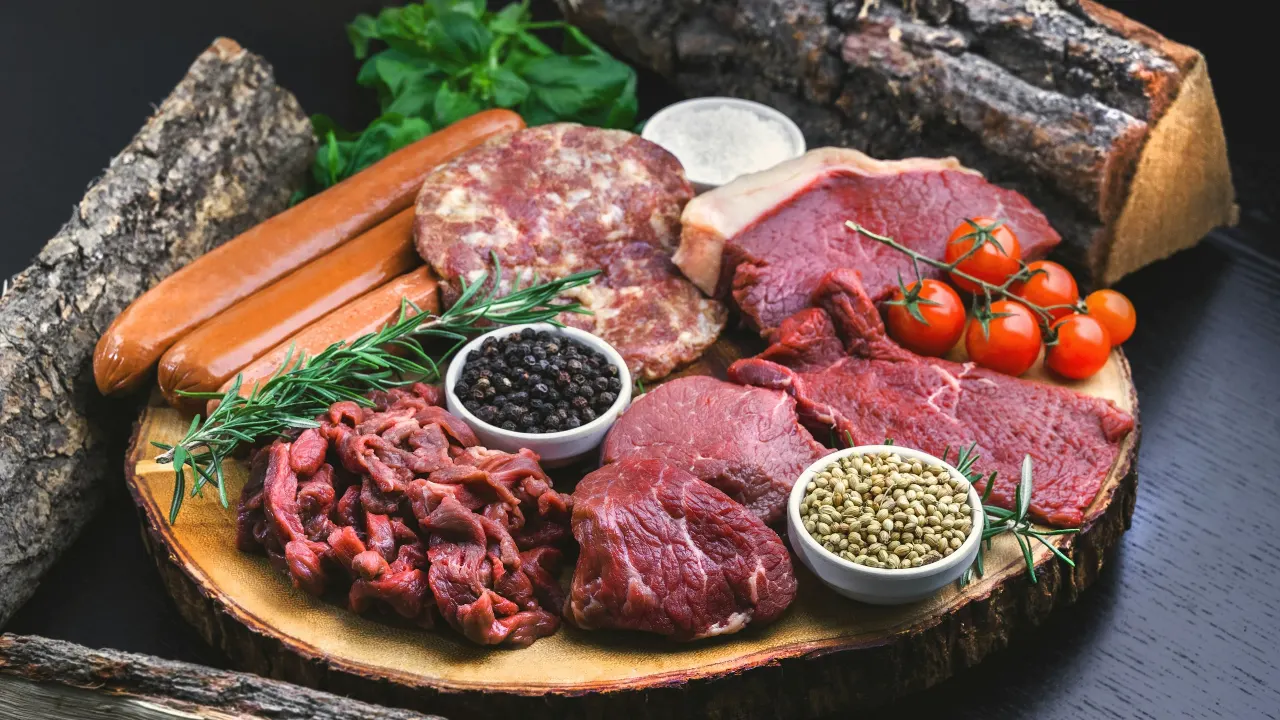
The distinction matters. A bean stew with a little sausage can fit the general direction better than a meat-heavy meal with no vegetables. Eggs, yogurt, fish, and meat are not automatically off-limits. Nor does a plant-based label make a food especially nutritious: a meal built mainly from refined starch and sugary drinks leaves out much of what this pattern is trying to achieve.
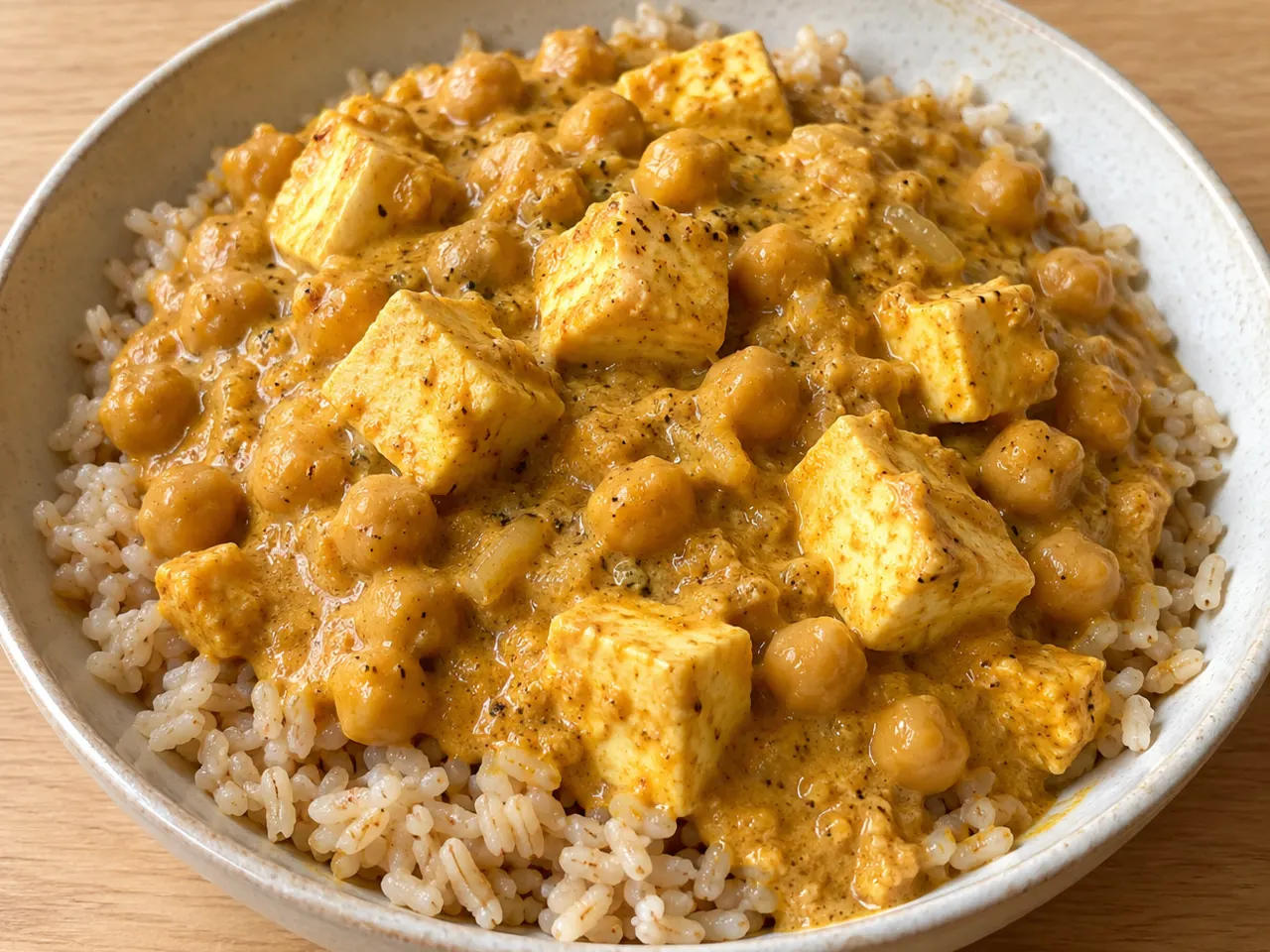
There is no single planetary-health cuisine. Lentil dal, beans with tortillas, or chickpeas with couscous can all put the same principle to work with different ingredients and traditions. Research on sustainable diets stresses that affordability, cultural acceptability, and local food conditions belong in the definition; a theoretically ideal shopping list is not useful if people cannot obtain or afford it. [PMID:41321678]
For a beginner, the question is therefore not whether every meal matches a chart. It is whether ordinary meals can rely more often on satisfying plant foods, with animal foods used more selectively.
Build a meal before worrying about numbers
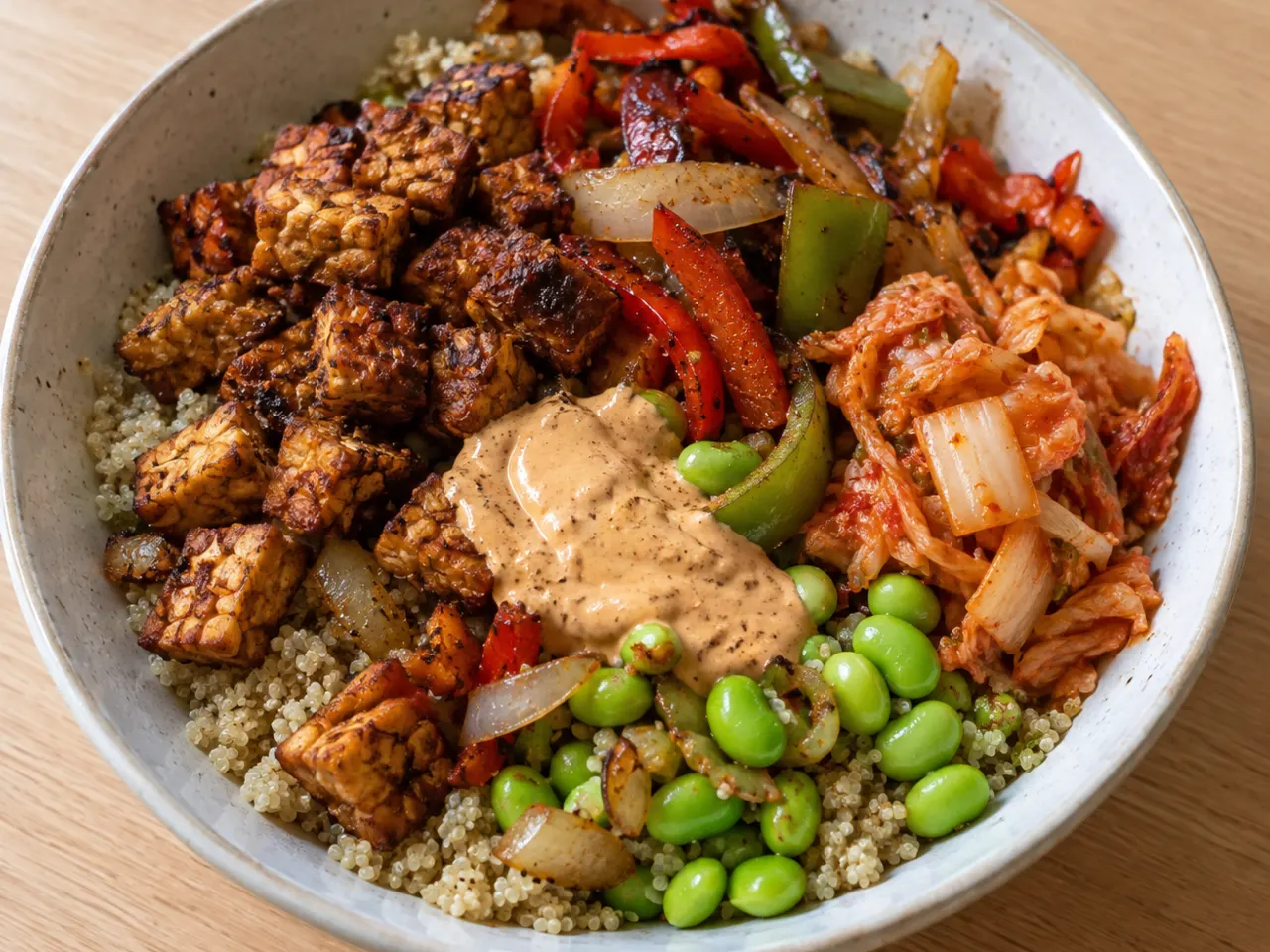
A workable starting point is to choose a vegetable, a substantial plant protein, and a grain or other starchy food. Add something that makes the combination worth eating: olive oil, nuts, seeds, herbs, spices, lemon, or a sauce. Think roasted cabbage with lentils and rice; whole-wheat pasta with chickpeas and tomato sauce; or a baked potato with beans, greens, and a spoonful of yogurt. These are examples, not a rule that every plate must have identical proportions.
Legumes, beans, lentils, peas, and foods such as tofu can replace some meat while making a meal substantial. Whole grains, vegetables, fruit, and legumes also supply dietary fibre: carbohydrate components that are not fully digested in the small intestine. Large systematic reviews associate higher fibre intake and whole-grain consumption with better long-term health outcomes, although a whole food offers more than fibre alone. [Reynolds et al., 2019]
You do not need to calculate a grain-to-bean ratio to act on this. If lunch is usually a cheese sandwich, add a substantial salad or soup and sometimes swap the filling for hummus and vegetables. If dinner usually starts with meat, try deciding what to do with the vegetables and beans first.
What health research shows and what it cannot prove
The strongest case for this pattern is not that one ingredient prevents disease. It is that a diet containing more minimally processed foods and fewer large servings of red meat can improve the overall mix of foods people eat. In a systematic review and meta-analysis of planetary-health-diet research, higher adherence was associated with lower cardiovascular disease risk across ten studies involving more than a million participants. An association cannot establish that changing diets alone would produce the entire observed difference: people who eat differently may differ in other ways too. [PMID:42225169]
Cancer findings deserve particular restraint. A meta-analysis of 15 cohort studies reported an association between higher adherence and lower overall cancer incidence, but its authors cautioned that the studies differed in how they measured the diet and that residual confounding could remain. That is useful evidence, not a promise that following the pattern prevents cancer. [PMID:42306796]
The proposed mechanisms are plausible without being magical. Replacing some refined grains with whole grains changes the fibre content and physical structure of a meal. Replacing some meat with beans changes its mix of protein, fibre, and fats. Vegetables, fruit, nuts, and seeds contribute different nutrients and food compounds. Health outcomes reflect the whole pattern over time, as well as factors outside the kitchen.
For practical purposes, aim for a repeatable improvement rather than a perfect score. Regularly eating beans and vegetables is more meaningful than buying an unfamiliar ingredient once and never eating it again.
What worked particularly well for me was swapping the meat in some meat-centred meals for legumes, chili sin carne and bolognese with lentils, for example. It is not always as joyful as good processed red meat, but I promise you will feel much better at the end of the week when, instead of eating meat in seven to ten meals, you reduce that number to three or four and increase your legume intake fivefold.
Why the environmental comparison starts with food choices
Food has an environmental footprint before it reaches the plate: land is used to grow crops or raise animals, production draws on water and other resources, and agricultural processes release greenhouse gases. Carbon dioxide-equivalent is a way to express the warming effects of different greenhouse gases on a common scale. It is useful, but it does not describe every environmental effect.
Large analyses of food production find substantial differences between food categories and between producers of the same food. Animal-source foods, particularly ruminant meat, generally have much higher production impacts than many plant protein sources. That makes replacing some beef or lamb meals with lentils, beans, or tofu a more defensible first move than trying to infer a food’s entire footprint from a local-origin label. [Poore and Nemecek, 2018]
A systematic review estimated that greater adherence to the EAT-Lancet pattern was associated with 1.55 kilograms less carbon dioxide-equivalent per person per day across the studies it pooled. That is an estimate across particular diets and methods, not a guaranteed saving for any one household. The same review did not find strong evidence for benefits to water or land use, so a lower-emissions diet should not be advertised as an automatic solution to every environmental problem. [PMID:42225169]
Food waste belongs in the practical calculation too. Buying a large bag of greens does little good if half spoils. Choose quantities you can use, freeze leftovers, and build another meal around what is already in the fridge. The framework concerns production systems as well as individual meals; households can make useful choices without carrying responsibility for the entire system.
Make the first changes cheap enough to repeat
Start with meals you already cook. Replace some of the minced meat in a tomato sauce with lentils. Add white beans to vegetable soup. Put a tray of roasted vegetables alongside a smaller portion of chicken and save the rest for tomorrow’s lunch. None of these changes requires a complete new pantry, and none depends on making every family member eat the same proportion of everything. I remark it every week when I cook, my children do not show the same excitement when I'm cooking chicken or red beans, so give it time !
For a simple shopping routine, keep one or two convenient legumes on hand (canned beans count) plus a grain your household likes and vegetables you can realistically use. Frozen vegetables can take the place of fresh ones when storage or time is tight. Dried beans may cost less per meal if you can accommodate the soaking and cooking; canned beans trade some of that time for convenience. Compare prices where you shop rather than assuming one version is always cheaper.
Use flavour deliberately. Brown mushrooms and onions before adding lentils to a sauce. Toast spices briefly before adding tomatoes and chickpeas. Add lemon juice or vinegar to a finished bean dish if it tastes flat. These steps do not make a plant-based meal virtuous; they make dinner taste more developed. If a small amount of cheese (this is what works very well for me and the children), yogurt, or meat helps a familiar dish work, the framework leaves room for it.
Try one dependable swap each week rather than replacing every meal at once. A bean-based lunch, a meat-light pasta sauce, or oats with fruit and nuts at breakfast is enough to learn which combinations people will actually eat. Keep the successful ones and adjust the rest.
The useful takeaway
The planetary health diet is best understood as a direction for everyday eating: make vegetables, fruit, whole grains, legumes, and nuts more prominent; use animal foods in smaller or less frequent amounts if you eat them. Evidence supports this as a promising pattern for health and lower greenhouse gas emissions, but observational health findings do not prove individual outcomes, and environmental benefits vary by what a meal replaces and how food is produced.
For the next shop, pick one meal you make regularly and give a legume or vegetable a larger role. Keep the flavours and format you already like. That is a concrete first step; the rest can be worked out meal by meal.
Comments
Be the first to comment 👇