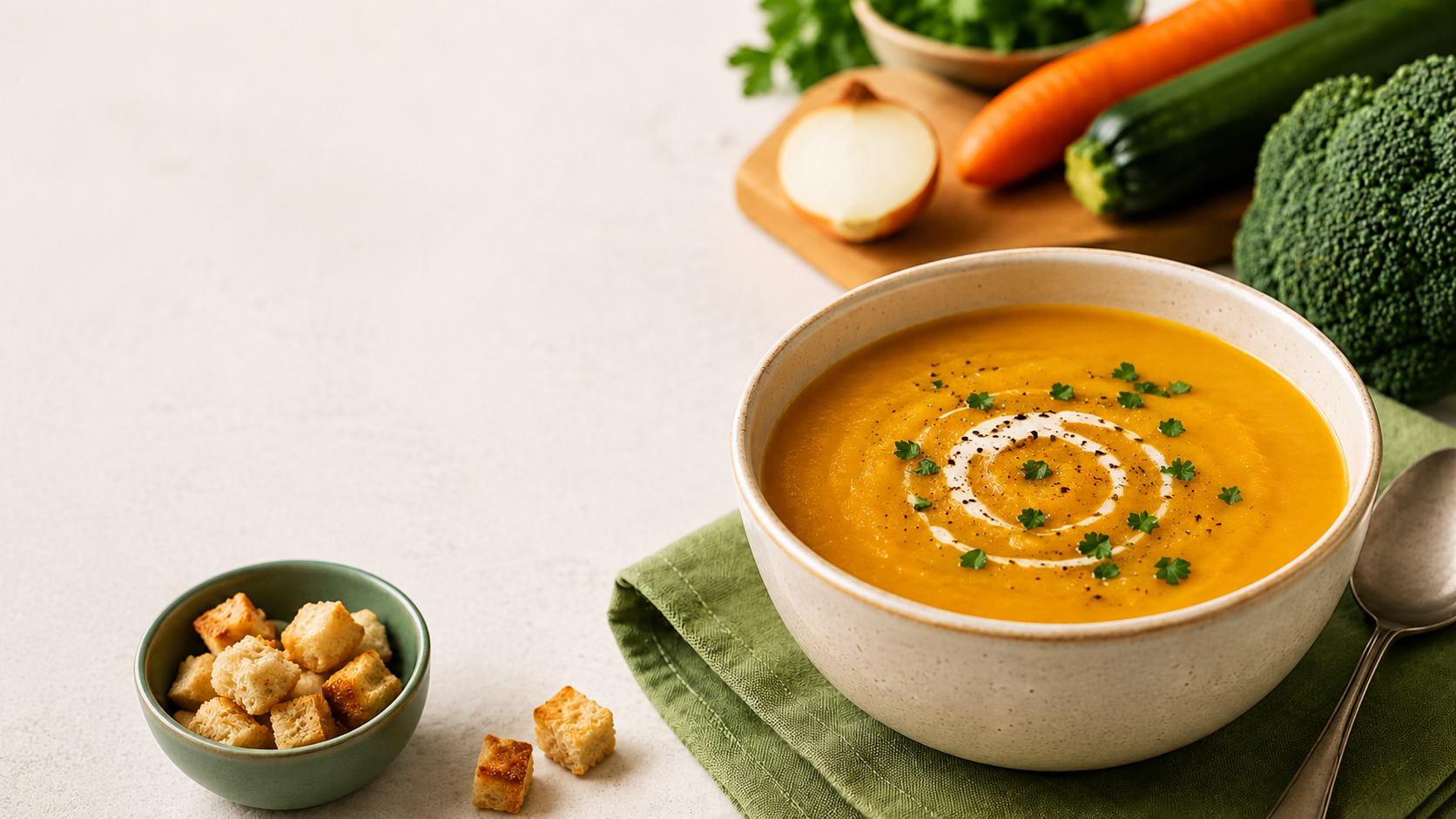
Vegetables Count Even When They Are Blended
The pattern is hard to ignore
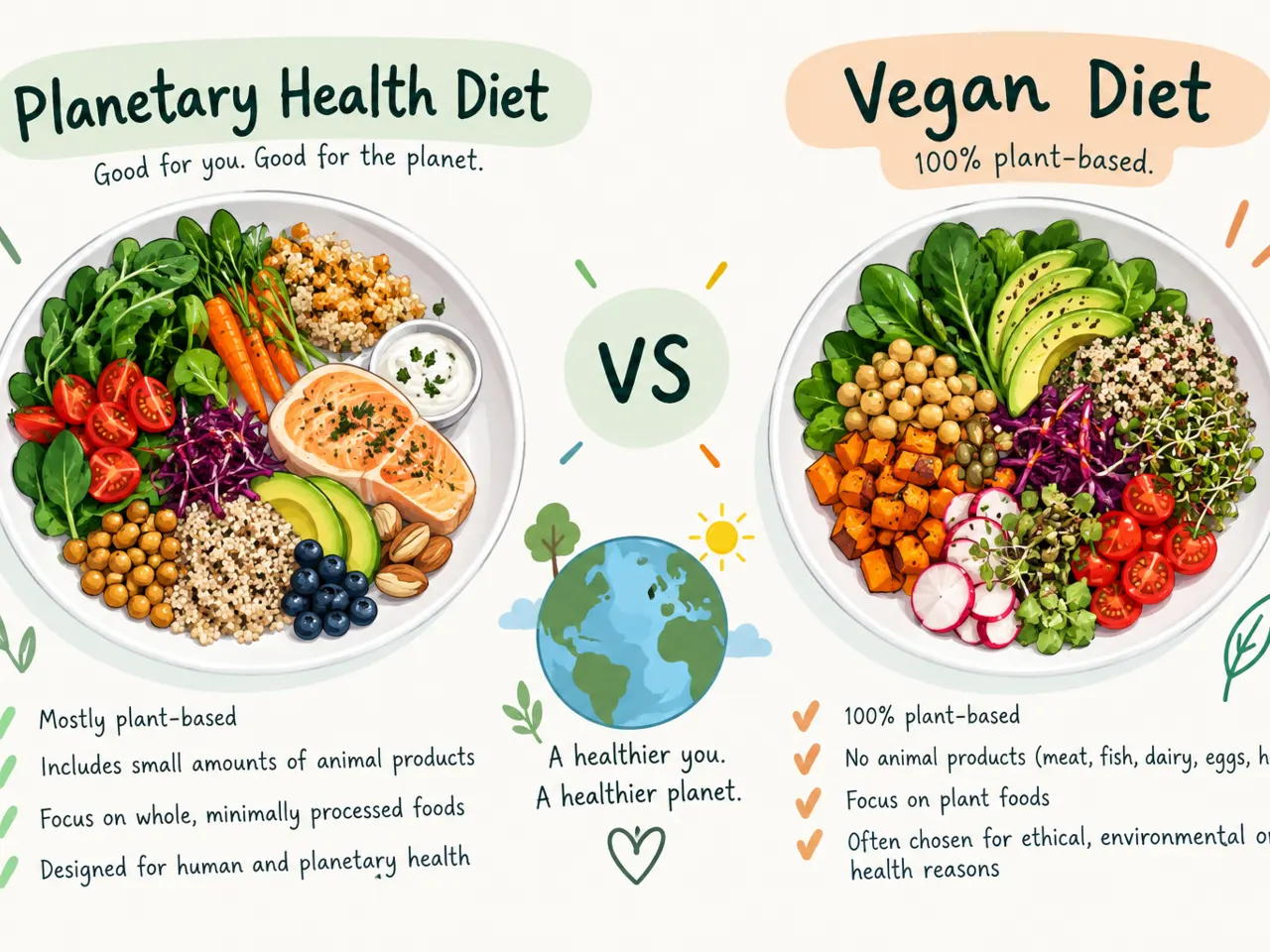
Vegetable-rich eating patterns are consistently associated with better long-term health. The often-cited Blue Zones are not magic villages protected by mystical beans; their traditional diets tend to rely heavily on plants, legumes, whole grains, and modest amounts of animal foods. The EAT-Lancet approach reaches a similar conclusion: make plants the foundation of the plate, for human health and a food system that does not keep treating the planet as an expendable buffet.
A practical route for reluctant vegetable eaters
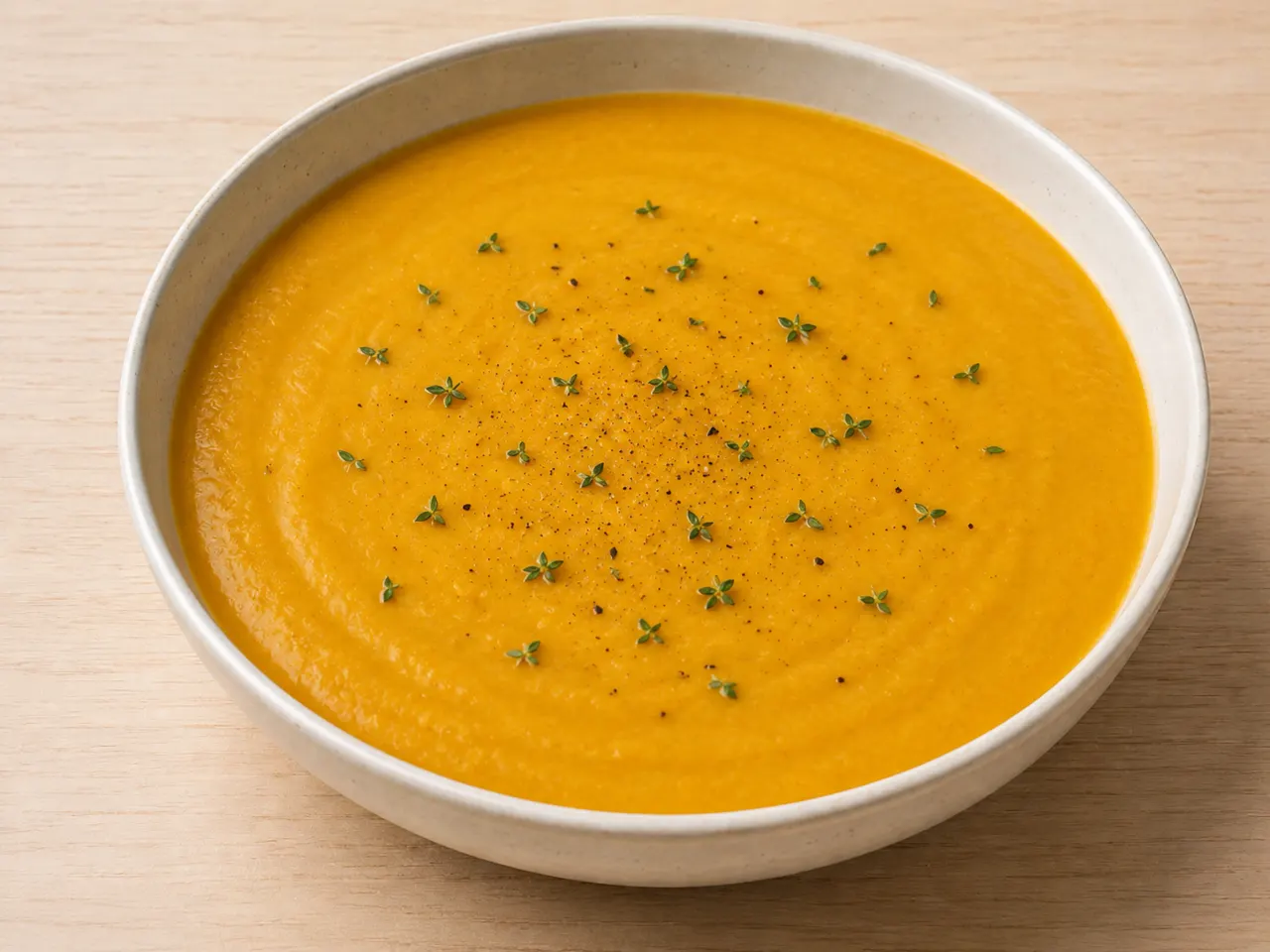
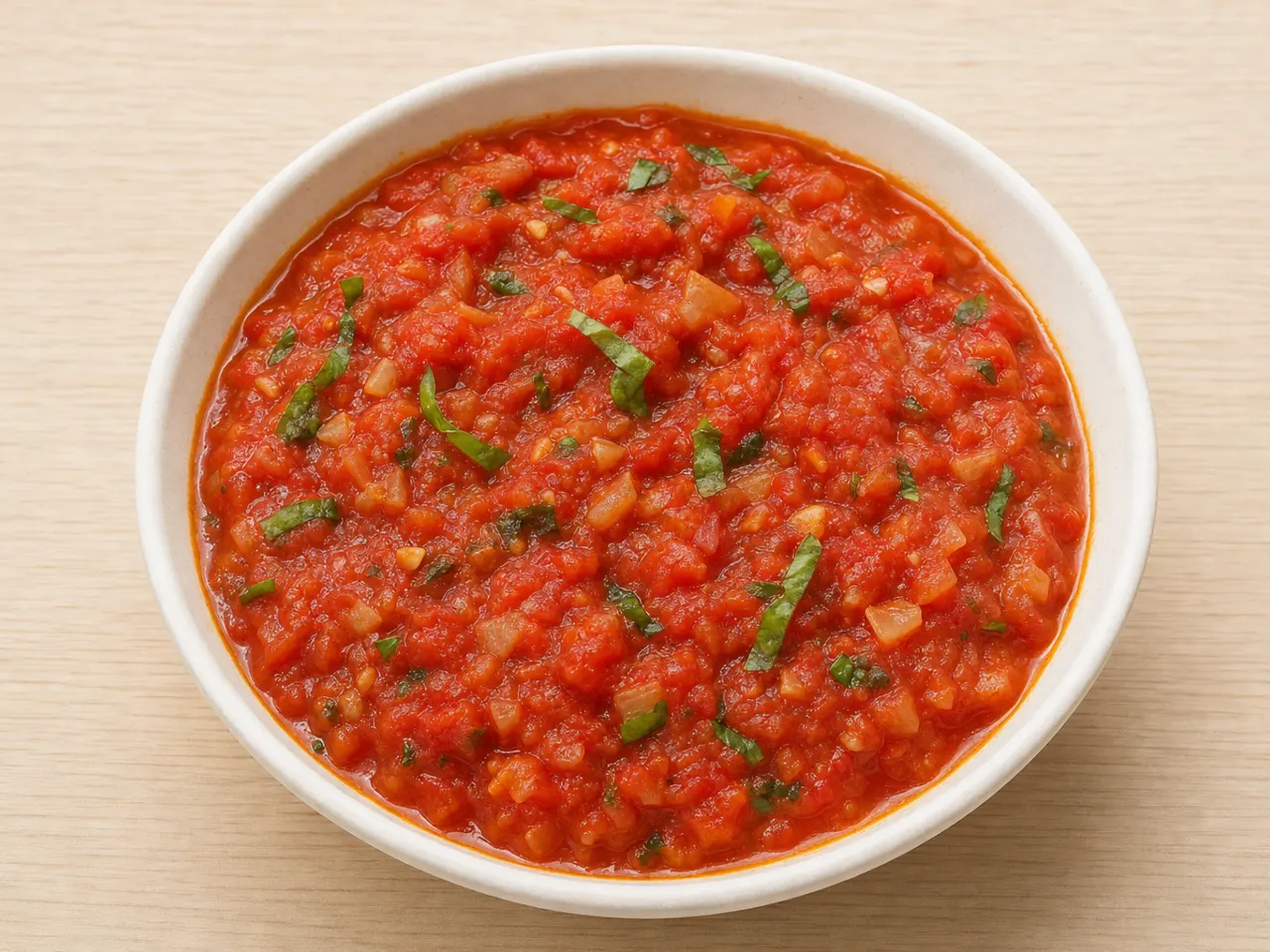
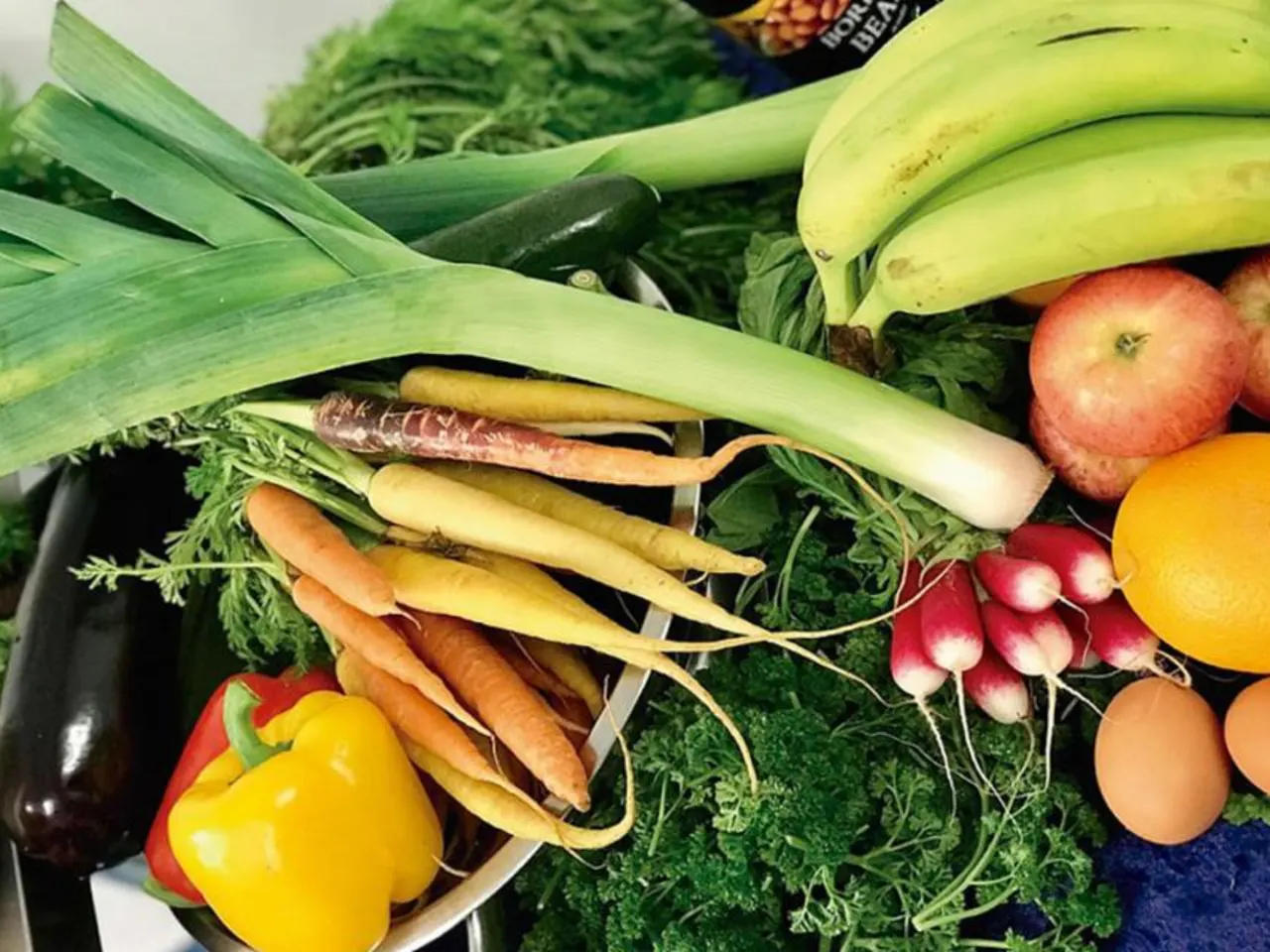
I have never been naturally enthusiastic about eating vegetables. A pile of plainly cooked greens is not persuasive just because it has an excellent résumé. But vegetables become far easier to eat when they are part of something I actually want: a blended carrot and lentil soup, tomato sauce enriched with peppers and courgettes, a spinach pesto, or a smoothie with berries and a handful of greens. These formats are not a nutritional fraud. They are a useful way to make vegetables regular rather than aspirational.
Raw is not automatically superior
Raw vegetables can retain more vitamin C and some other heat-sensitive nutrients, so salads, crunchy slaws, and raw fruit deserve a place in the rotation. But cooking is not nutritional vandalism. Heat can make carotenoids in tomatoes and carrots easier for the body to absorb, while soups and sauces can make fibrous vegetables more digestible and far more likely to be eaten. Blending may change texture and make a meal less filling if it is drunk quickly, but it does not erase the vegetables. The useful rule is painfully unglamorous: eat vegetables in the form you will genuinely eat, then vary raw and cooked forms when you can. A vegetable hiding in a sauce is still doing more work than one slowly liquefying in the back of the fridge.
Comments
Be the first to comment 👇