

The cheapest sustainable food rarely says “vegan” on the package
You don't need vegan cheese, plant-based chicken strips or a fridge full of specialty products to eat more sustainably. A bag of lentils, a tin of chickpeas, seasonal vegetables and a pot of plain yogurt will get you surprisingly far. Most of these foods were ordinary groceries long before anyone put a green leaf on the packaging.
The plant-based aisle can be expensive. A branded meat-free burger might be handy on a busy evening, but there is no reason to build your weekly shopping around products made to look and taste like animal foods. Rice, beans, potatoes, oats and vegetables are already the basis of inexpensive meals in much of the world.
Look at your usual dinners instead. A chili with beans instead of some of the beef, pasta with lentils in the sauce, or roasted vegetables served alongside a smaller portion of meat all change the balance without requiring a new set of ingredients. A few adjustments to meals you already cook are easier to stick with than a complete shopping-list overhaul.
Plain yogurt at breakfast and a little cheese on pasta can stay. Sustainable eating has room for both, especially when plants make up most of what you eat.
A vegan burger can be ultra-processed and still have a lower footprint than beef
A lot of vegan convenience food is ultra-processed. Meat-free sausages, imitation burgers and some vegan cheeses use ingredients such as protein isolates, modified starches, flavourings and emulsifiers. Those ingredients help give a plant product the texture or taste of meat and dairy.
The vegan label tells you nothing by itself about how nutritious a product is. One burger may offer a decent amount of protein and fibre; another may be mostly starch, with quite a lot of salt. Some coconut-oil-based vegan cheeses contain as much saturated fat as dairy cheese, with far less protein. Their calcium content also varies depending on whether they're fortified. It's worth comparing protein, fibre, saturated fat and salt rather than judging the product by the front of its packet. Here in Europe we have application like Yuka where you scan a product and get a "healthy" score telling you what the product exactly contains and how certain chemicals in it can be harmful. I read that Yuka was coming to the US, but applications such as EWG Healthy Living can also be a good starting point.
Processing also tells us surprisingly little about the environmental comparison with beef. Cattle need feed and land and produce methane. Factory production adds impacts to plant-based alternatives, but an analysis comparing meat and milk substitutes found that processed plant alternatives still perform better environmentally than the animal foods they replaced [Springmann, 2024]. Therefore, a heavily processed veggie burger can be a worthwhile climate swap even when its ingredients list isn't particularly appealing, but you still need to look at the health impact.
The health question is more complicated. Ultra-processed food is a broad category, covering everything from sugary snacks to some wholemeal breads. The British Nutrition Foundation recommends considering a food's nutritional composition and the wider diet, rather than relying on processing classification alone [British Nutrition Foundation].
For most everyday meals, beans, lentils, tofu and oats give you a cheaper, simpler starting point. They also let you decide how much salt or fat goes into dinner. A vegan burger can still be useful when you want one. You don't have to pretend it's a lentil to appreciate what it does.
Build your shopping list around ordinary food
If sustainable eating is getting expensive, shop for ingredients that work in more than one dish. A short list of familiar foods usually makes cooking easier than buying a different speciality substitute for every recipe. It also avoids paying a premium for something shaped like a sausage.
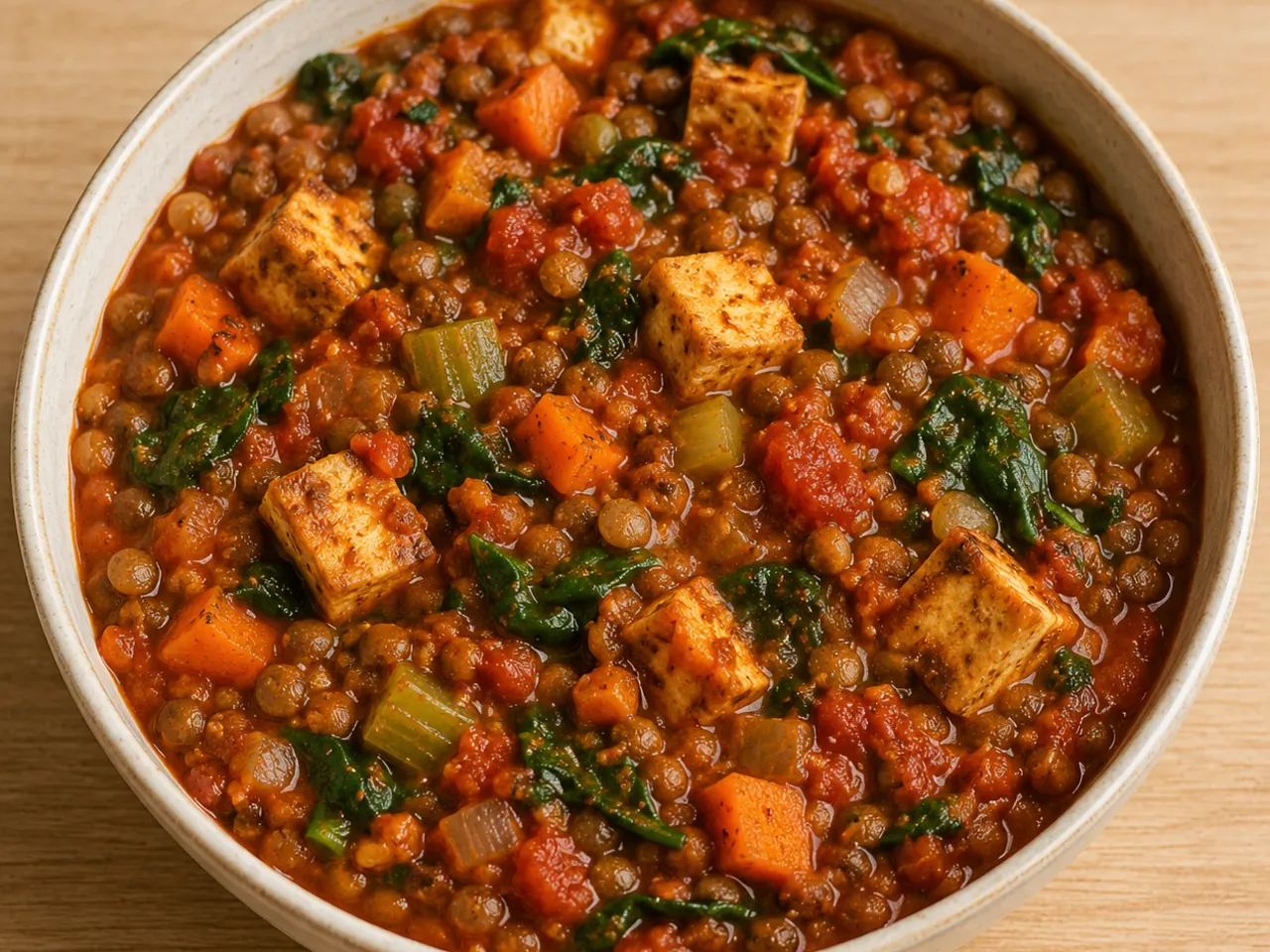
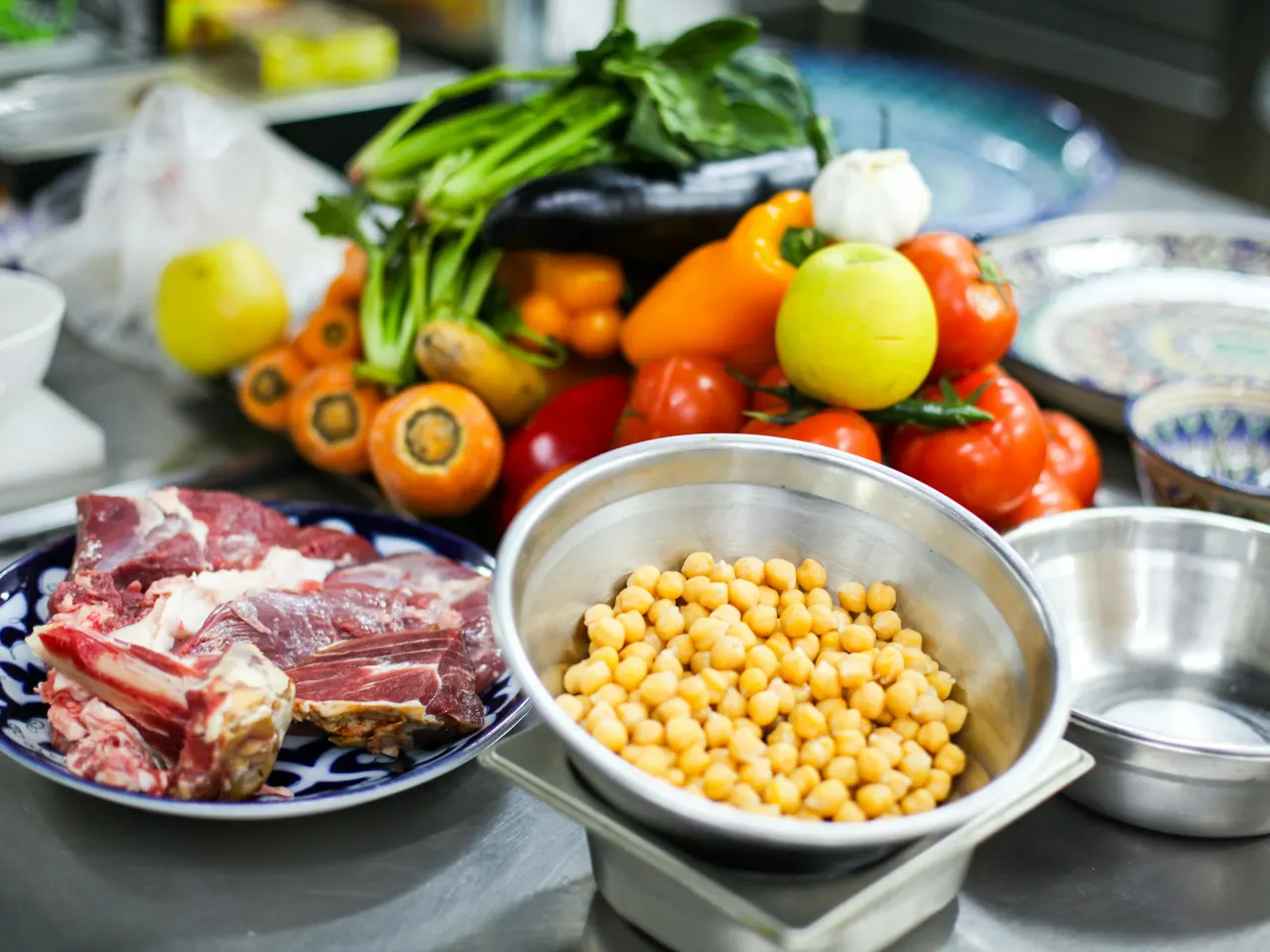
- Lentils. Red lentils thicken tomato sauces, curries and soups. Brown and green lentils stay firmer in stews or salads. Dried lentils cook without soaking, are usually inexpensive per serving and bring protein and fibre together.
- Chickpeas and beans. Canned versions save time; dried versions often cost less if you cook larger batches. Mash chickpeas into a sandwich filling, add white beans to pasta or fill tortillas with black beans and vegetables. Rinse canned beans when you want to reduce some of the added salt.
- Oats, rice, pasta and other grains. These are the basis of plenty of cheap meals. Whole-grain versions add fibre. Serve them with legumes, tofu, eggs or yogurt and you have a good foundation for a filling meal.
- Frozen vegetables. Peas, spinach, broccoli and mixed vegetables are practical because you can use a small amount at a time. Frozen vegetables are often as nutritious as fresh ones, especially when the fresh vegetables have spent several days in the fridge. Keeping some in the freezer also reduces the pressure to use everything before it spoils.
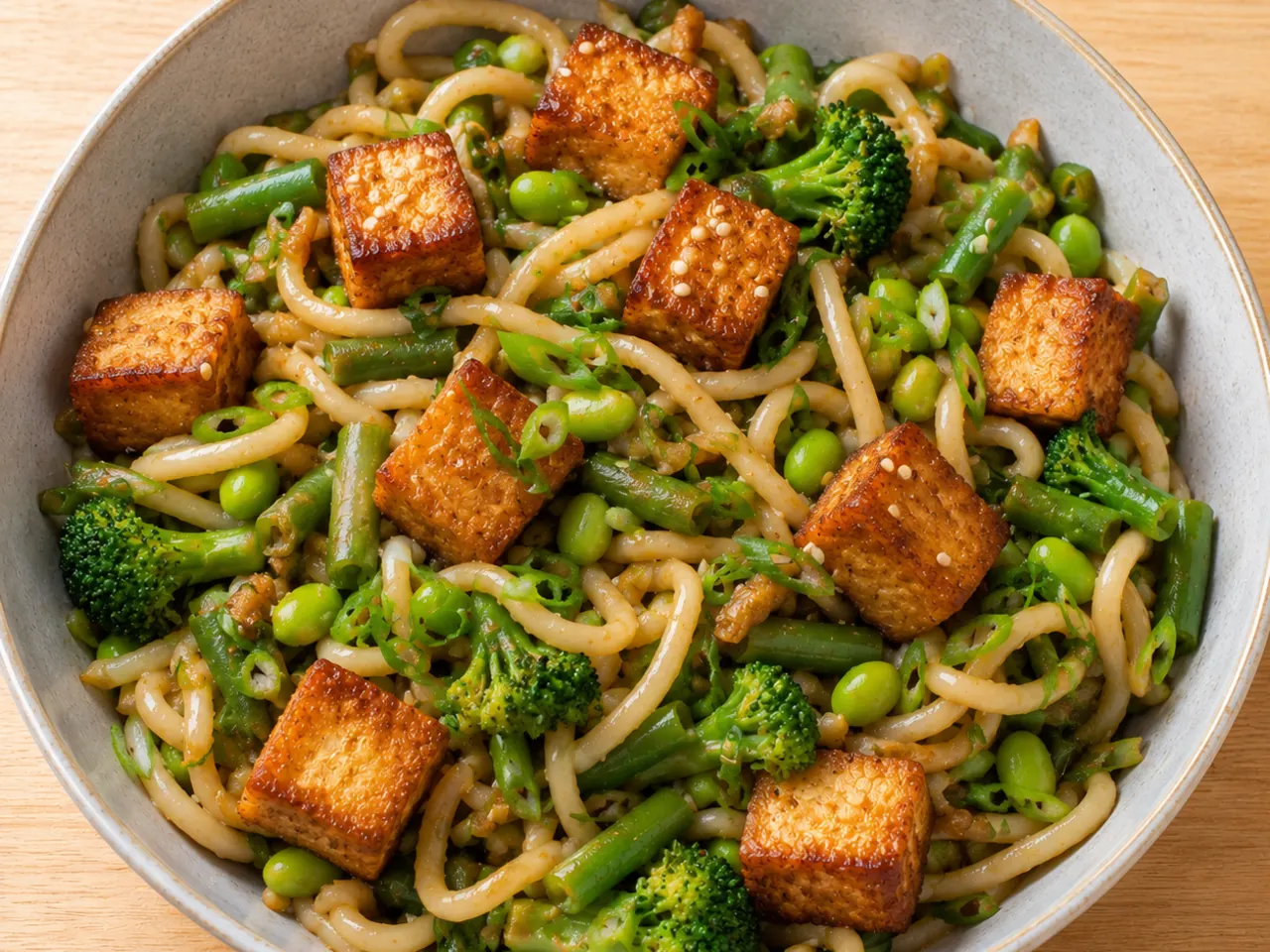
- Tofu, eggs and plain yogurt. Plain tofu often costs less than branded meat alternatives, depending on the shop. Eggs and yogurt are versatile options for people who eat animal products. They can become a stir-fry, an omelette, a sauce or part of breakfast without much preparation.
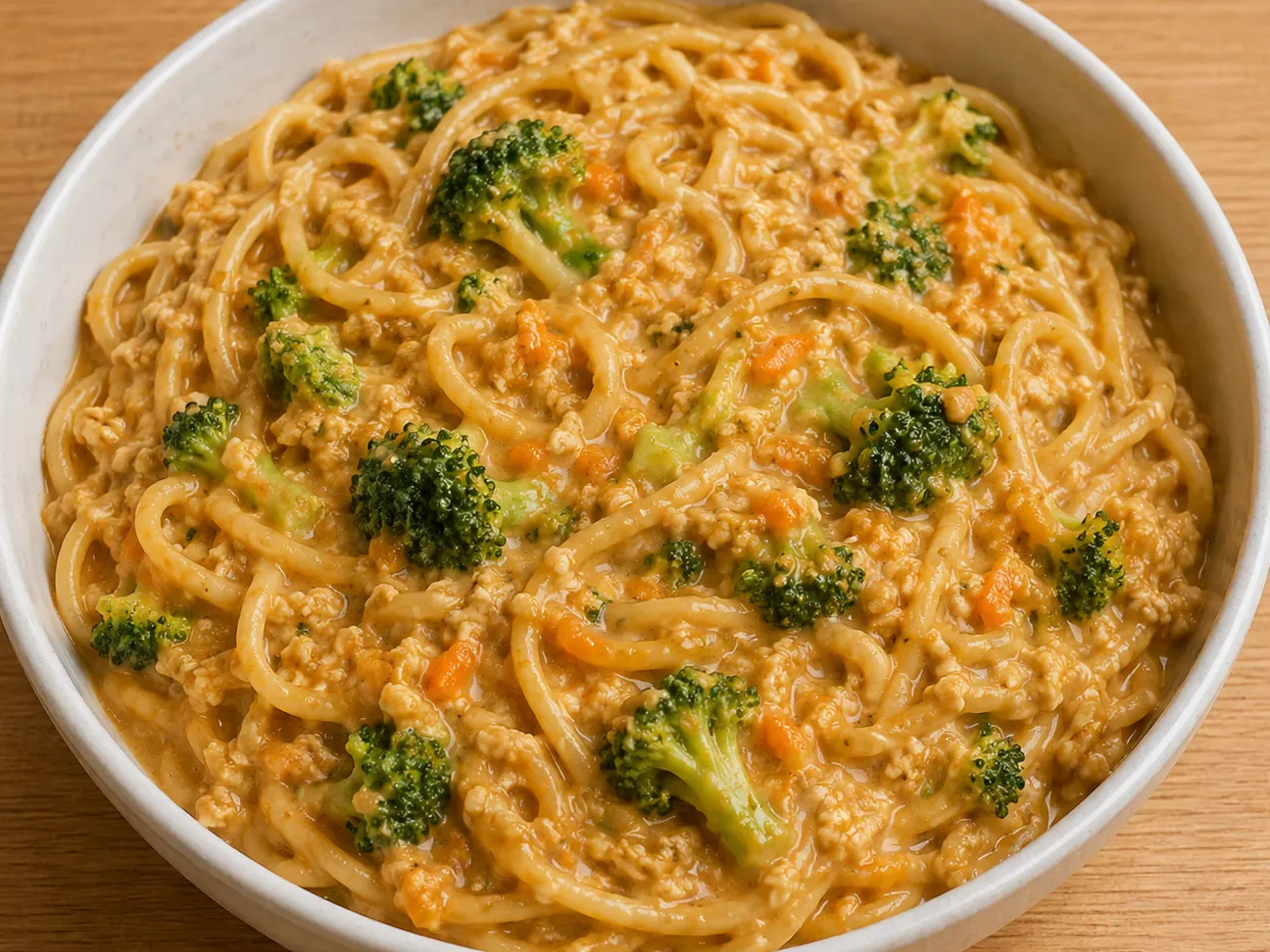
- Peanuts, seeds and nut butter. Peanuts can replace expensive nuts in some dishes. Peanut butter makes a quick sauce for noodles or vegetables; a handful of seeds adds texture to a salad. Buy the varieties you actually use.
The same analysis by Springmann found that peas, soybeans and beans performed particularly well when nutrition, health, environmental impacts and cost were considered together. Processed replacements could still offer benefits over animal foods, but were generally more expensive than those simple plant ingredients in the markets examined [Springmann, 2024].
Prices will vary by country, season and supermarket. Sometimes canned chickpeas are on offer; sometimes frozen vegetables cost more than fresh ones. Shop by what you can afford and what you're likely to finish. An unfamiliar grain that sits untouched in the cupboard isn't a particularly good bargain.
What would this look like over five dinners?
A more sustainable week can be built around five fairly ordinary dinners. The idea is to use overlapping ingredients and make plants a bigger part of familiar dishes.
Monday: Make tomato pasta sauce with red lentils, grated carrots and onions. The lentils thicken the sauce, so you can reduce the minced meat or leave it out. Add a little Parmesan if you like.
Tuesday: Fill tortillas with black beans, roasted vegetables and a spoonful of yogurt sauce. A bit of grated cheese works too. Extra vegetables from another meal can go straight into the filling.
Wednesday: Roast potatoes, carrots and chickpeas on one tray. Serve with lemony yogurt or tahini dressing and whatever greens are available. It works just as well with frozen broccoli or a few onions that need using.
Thursday: Make fried rice with frozen peas, carrots and tofu, or use an egg. For leftover rice, cool it quickly, ideally within an hour, refrigerate it and eat it within 24 hours. Reheat only once, until steaming hot [Food Standards Agency].
Friday: Have fish with vegetables and potatoes, ideally from a well-managed fishery; sustainability varies by species and fishing method. If fish is too expensive that week, a bean stew with bread is an easy alternative.
These meals share grains, vegetables, legumes and a few condiments, which keeps the shopping list manageable. You can repeat the dishes with different spices or whichever produce is in season. The pattern over several weeks matters more than whether every individual dinner fits a particular formula.
If you registered to the website, you can also lookup the free meal plans available on the website.
Food waste belongs in the conversation too
Buying more vegetables won't help your budget if half of them end up in the bin. A manageable shopping list makes it easier to finish what you buy.
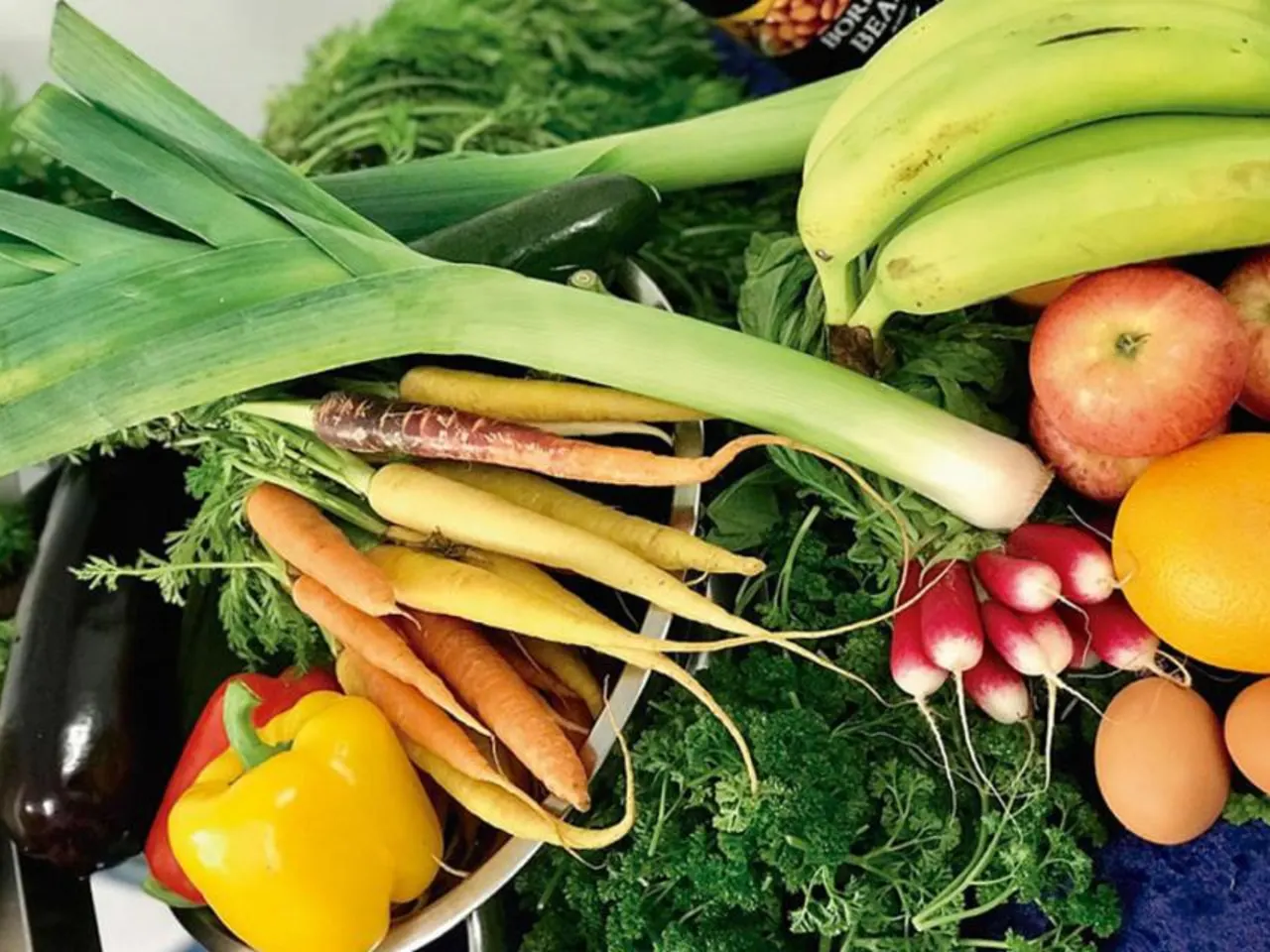
Try choosing two or three vegetables for several meals instead of a completely different set for each recipe. Carrots can go into pasta sauce, soup and roasted vegetables. Spinach works in omelettes, lentils or curry. A bag of frozen peas covers the days when the fresh produce is running low.
Leftovers are useful when they're stored safely. Cooked grains can become lunch bowls, extra beans can be mashed into a spread and roast vegetables can go into wraps. A clear container in the fridge helps you remember what's there; label anything you freeze if you know you'll forget when you made it.
Packaging and transport matter, but the type of food often makes a bigger difference to its climate footprint. A locally raised beef steak can have much higher emissions than imported lentils because livestock farming itself accounts for so much of the total impact [Poore and Nemecek, 2018]. Air-freighted perishables are one exception worth watching, but distance alone isn't a reliable measure of a food's footprint.
The better question is: what are you replacing?
A vegan label tells you whether a product contains animal ingredients. To judge whether it's a good choice for your household, you also need to consider what it replaces, how nutritious it is and how much it costs.
Replacing beef with a plant-based burger can lower the meal's environmental impact. Replacing it with beans often costs less. Keeping yogurt because it's a convenient breakfast for your family can also fit a plant-rich diet.
You don't need to rebuild the family menu to make progress. A few inexpensive meals built around plants are a good place to begin. Keep the yogurt you'll actually eat, make room for beans and vegetables, and skip the specialty products that don't make dinner any easier.
Comments
Be the first to comment 👇