Start With the Target, Not the Marketing
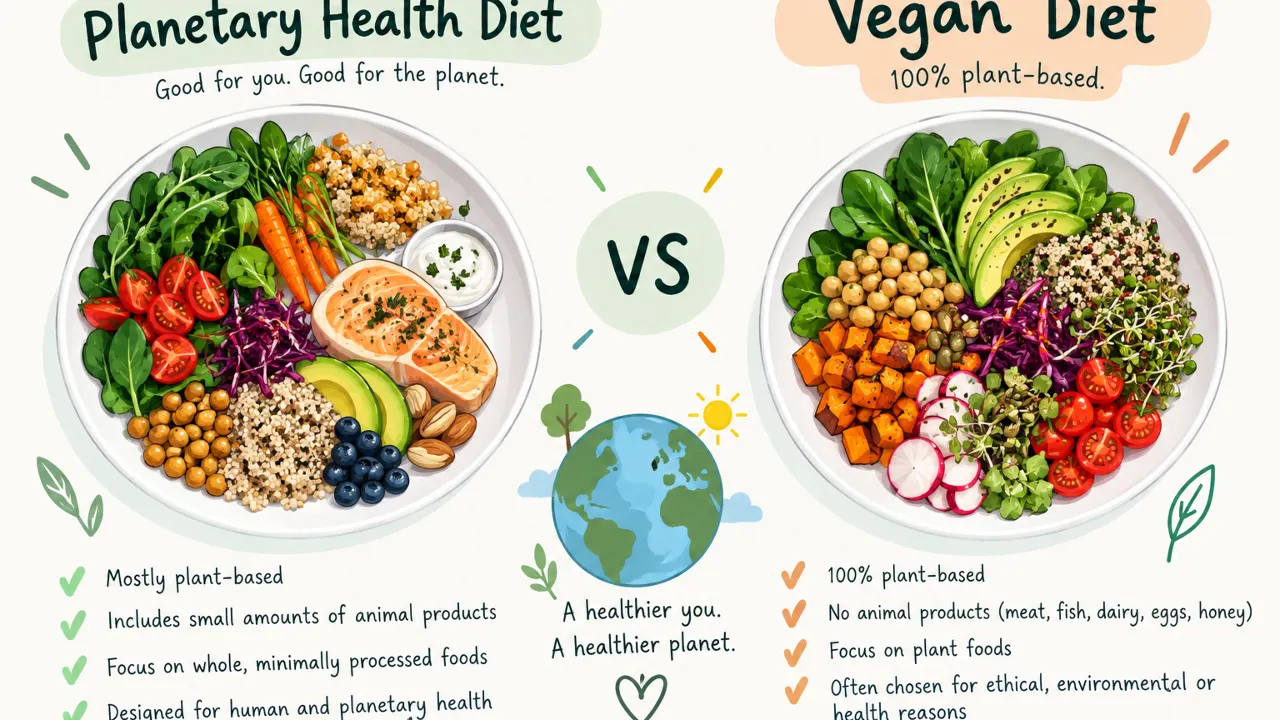
Yes, reaching 100 g of protein a day can fit within a planetary health diet. It does not require an all-meat menu, nor does it require eating lentils all day long. A planetary health approach puts plant foods at the centre while leaving room for measured amounts of dairy, eggs, fish, or meat according to preference and context. Plant-rich dietary patterns are a central part of the EAT-Lancet framework for supporting both human health and food-system sustainability. [EAT-Lancet Commission, 2025]
Check Whether 100 g Is Actually Your Number
Divide 100 by your body weight in kilograms to see what the target means for you. At 60 kg, 100 g equals 1.67 g per kg; at 75 kg, it equals 1.33 g per kg; at 100 kg, it equals 1 g per kg. These calculations describe the target; they do not establish your personal requirement. Check the dietary reference guidance used in your country, then discuss adjustments with a registered dietitian or clinician if you are pregnant, still growing, older, training hard, or managing a medical condition, especially kidney disease. Track three ordinary days of eating with package labels and weighed portions before changing anything.
One Day That Lands Just Above 100 g
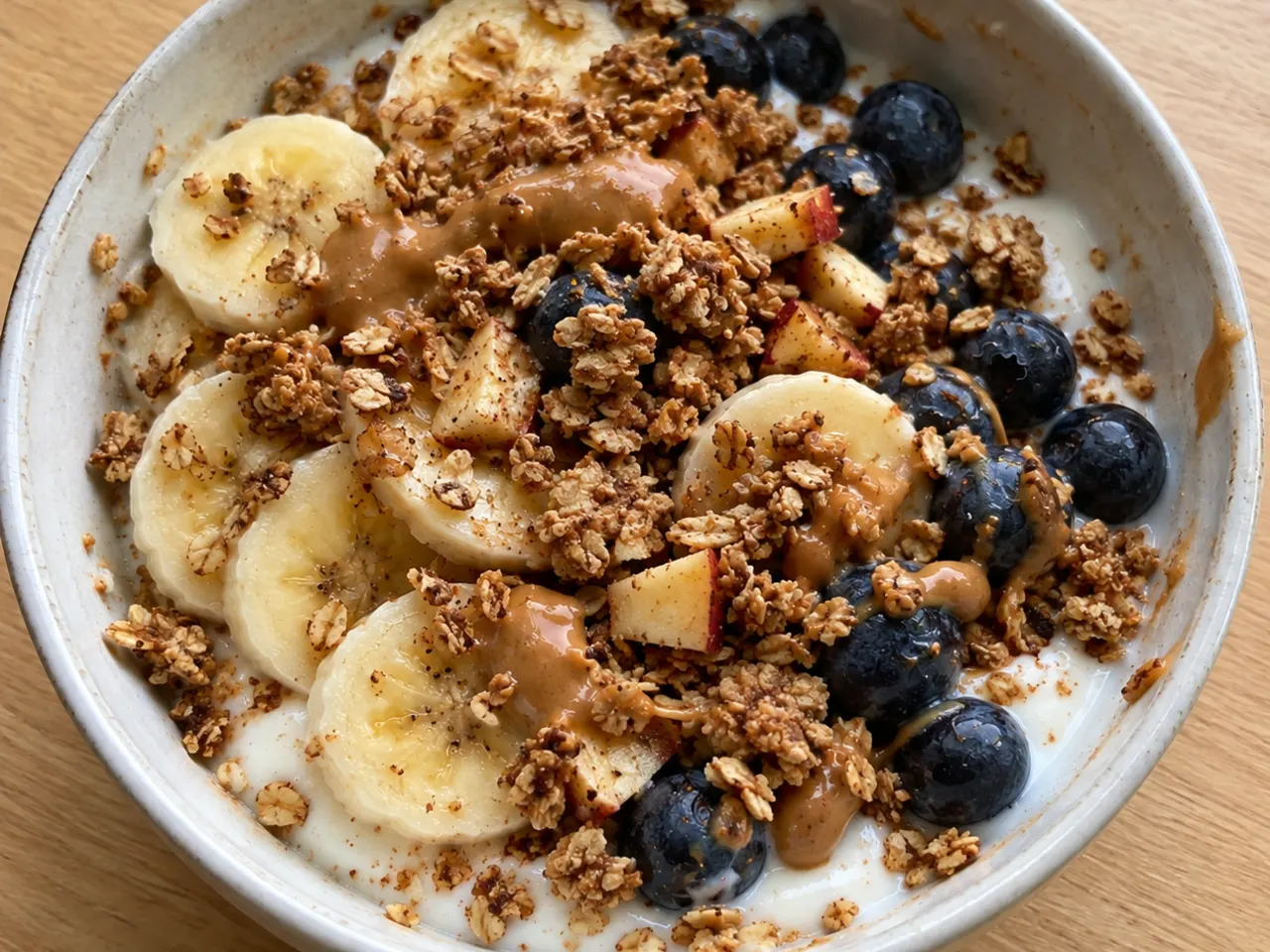
Use the label on the food you buy, because protein content varies sharply between brands and tofu styles. As a working example: breakfast could be 250 g plain skyr (about 27 g protein, roughly 150 calories), 50 g oats (about 6 g, roughly 190 calories), and 2 tablespoons peanut butter (about 8 g, roughly 190 calories), for roughly 41 g protein and 530 calories. Lunch could be 1 cup cooked lentils (about 18 g, roughly 230 calories), two slices wholegrain bread (about 8 g, roughly 200 calories), and 20 g pumpkin seeds (about 6 g, roughly 115 calories), for roughly 32 g protein and 545 calories. Dinner could be 200 g firm tofu (about 24 g, roughly 290 calories) with 1 cup cooked brown rice (about 5 g, roughly 215 calories), for roughly 29 g protein and 505 calories. Total: about 102 g protein and 1,580 calories, before counting the vegetables. These calorie figures are approximate and will vary by product and preparation. So this is totally feasible, if you want to track easily your days, you can register for free on the website & use our meal planner and/or import your own recipes with the community recipe creator.
Build Around Protein Anchors, Then Keep the Diet Broad
For a fully plant-based version, use high-protein soy yogurt or soy milk at breakfast, then rely on substantial portions of lentils, beans, tofu, tempeh, edamame, whole grains, nuts, and seeds across the day. If you eat animal foods, eggs, plain Greek yogurt or skyr, and occasional fish can make the arithmetic easier without making them the foundation of every plate. Keep legumes and whole grains in the plan rather than replacing them wholesale with protein isolates: higher dietary fibre and whole-grain intake are associated with improved long-term health outcomes in systematic reviews and meta-analyses. [Reynolds et al., 2019] A 100 g target works best when it is spread across meals, counted honestly from labels, and fitted around vegetables, fruit, and staples.
I’m not here to discourage you from using protein powder, but it is possible to reach your protein goal without relying on ultra-processed foods. That may be less convenient, but the goal should not be to sacrifice your long-term health for a number. It should be to support longevity, and that is also what Eat-Lancet is designed for.
Comments
Be the first to comment 👇