What makes a protein food useful in this diet?
A planetary health diet is plant-rich, not necessarily vegetarian. Beans, soy foods and nuts can be more present, while eggs, dairy, fish and poultry can have a place. The point is to choose protein foods in the context of the whole diet, not to find one ingredient that satisfies every nutritional and environmental goal. [EAT-Lancet Commission, 2025]
“High-protein” also needs some perspective. A bowl of lentils, a piece of tofu and a sprinkling of seeds contribute very different amounts of protein in the portions people normally eat. Seeds and nuts earn a place on this list, but they usually work better as additions to a meal than as its sole protein source and they can also be quite big calories wise. Labels help when comparing packaged foods: check protein per portion you would actually use, along with sodium and any added sugar.
For a reference point, the European Food Safety Authority’s adult population reference intake is 0.83 grams of protein per kilogram of body weight per day. Individual needs can differ, particularly during pregnancy, with age, or with certain medical conditions. Getting enough protein matters; chasing the largest possible number on a package does not.
Seven pulses that can anchor a meal
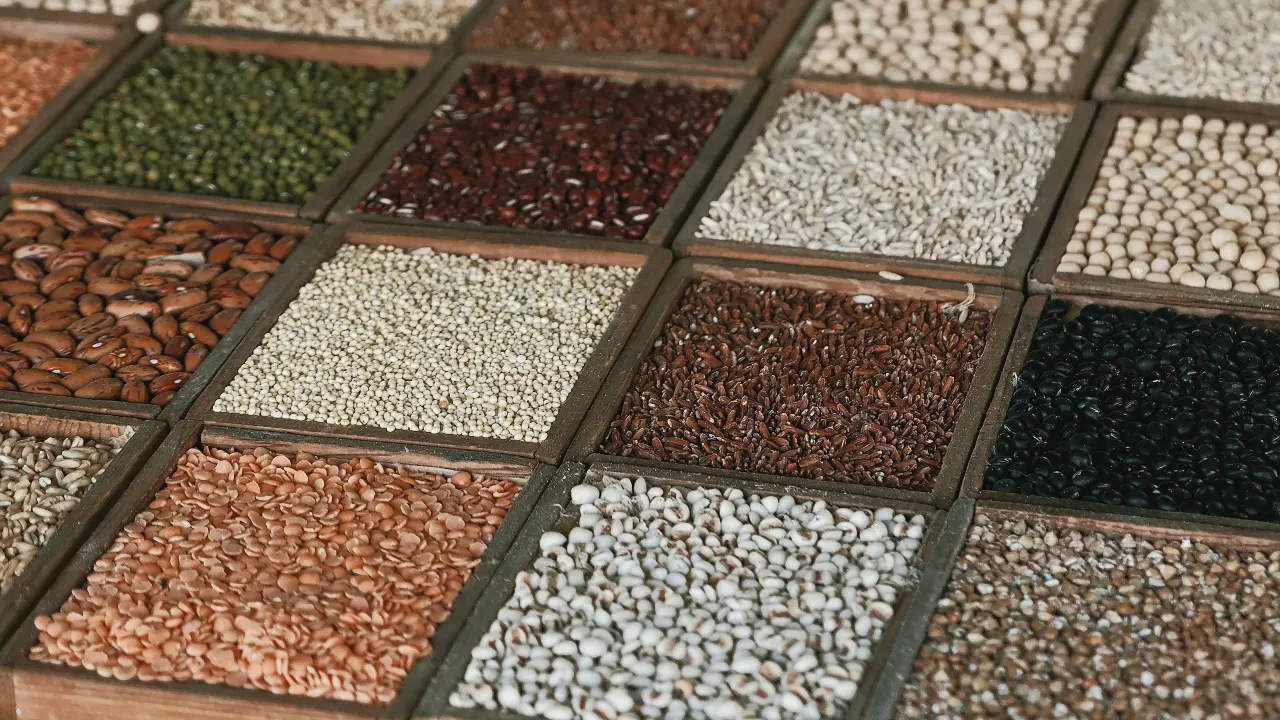
Pulses (the dried seeds of legumes) bring protein and fibre together. They also make practical main ingredients: they take on spices, keep well after cooking and can replace some meat without requiring a specialist product.
- Lentils. Red lentils soften into soups and sauces; green and brown lentils hold their shape better in salads or warm grain bowls or even in tomate sauces.
- Chickpeas. Roast cooked chickpeas for a crisp topping, or mash them with lemon and tahini for sandwiches.
- Black beans. Their firm texture suits rice bowls, soups and lightly mashed fillings.
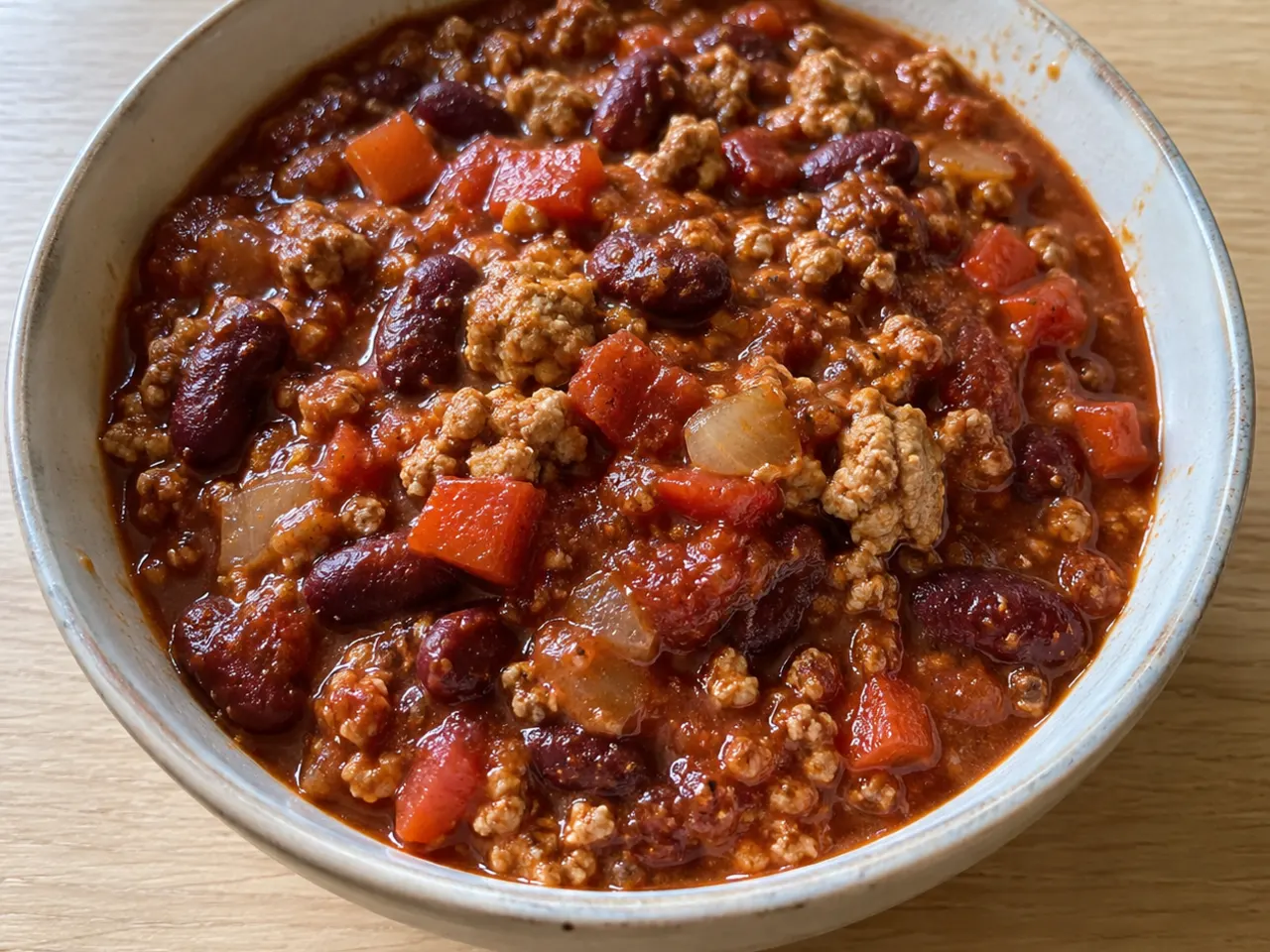
- Kidney beans. Use them in stews and chilli; cook dried kidney beans thoroughly rather than relying on a low-temperature slow cooker.
- Split peas. They break down into a thick soup without blending and need no soaking.
- Fava beans. Fresh or dried, they work in purées and salads. People with G6PD deficiency must avoid fava beans.
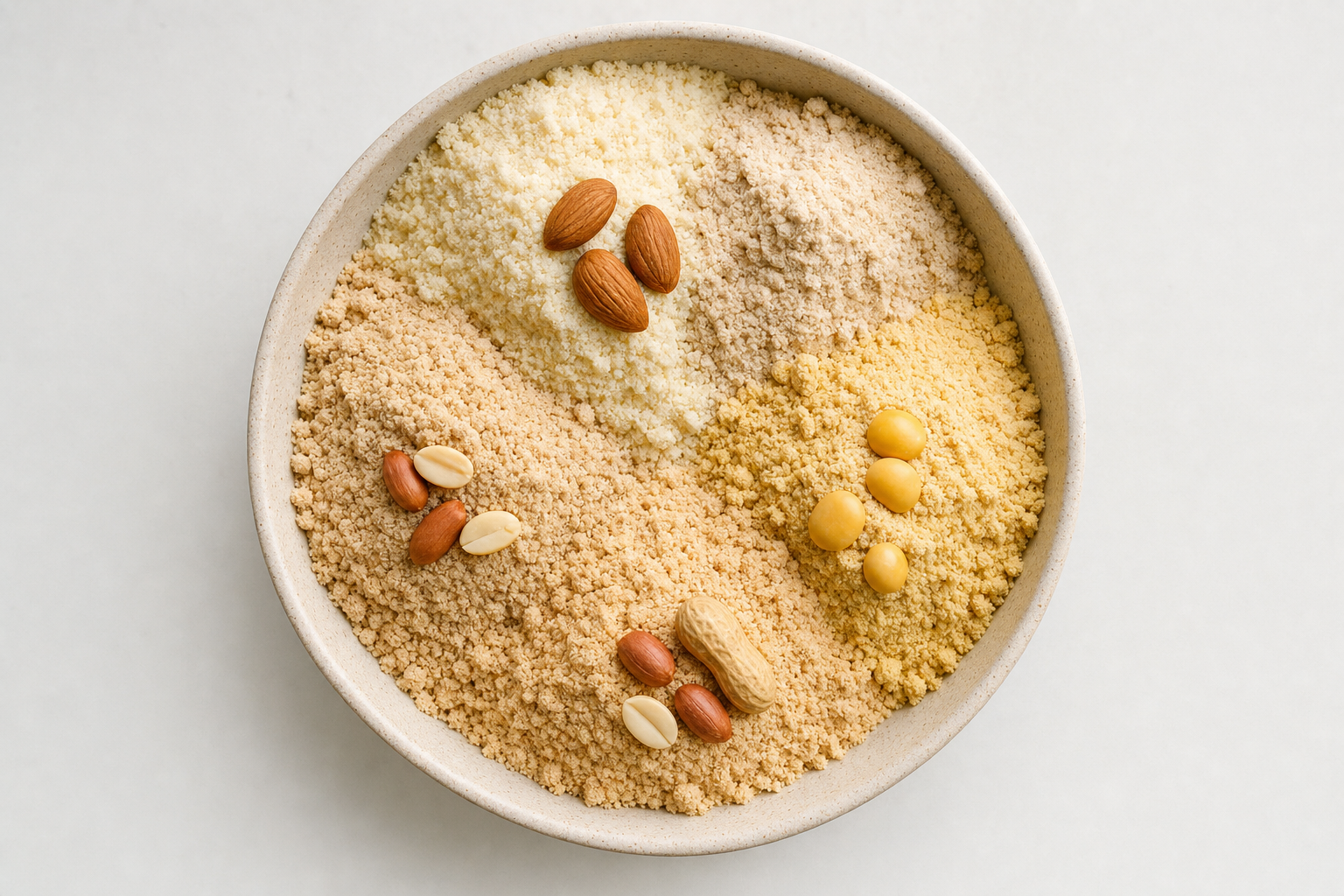
- Lupini beans. Ready-to-eat, properly prepared lupini beans make a substantial snack or salad addition; do not treat raw, bitter seeds as ready to eat. They work surprinsingly well in their flour form as wheat flour replacement. It brings a lot of protein and fiber, it's one of my go-to in the kitchen. Are there any other lupin lovers?
Cooking dried pulses takes planning, but canned versions make the same kinds of meals possible on a busy night (it's quite often the path I choose, always busy with two toddlers). Drain and rinse them if you want to reduce some of the packing liquid’s salt. Their fibre is a nutritional advantage beyond protein: systematic reviews link higher dietary fibre intake with better long-term health outcomes, although no single bean guarantees those results. [Reynolds et al., 2019]
Six soy and wheat foods with different jobs
Soy is useful partly because it comes in forms that behave differently in a pan. Some make the centre of a meal; others fill smaller gaps. Seitan adds a wheat-based option with a firm, sliceable texture.
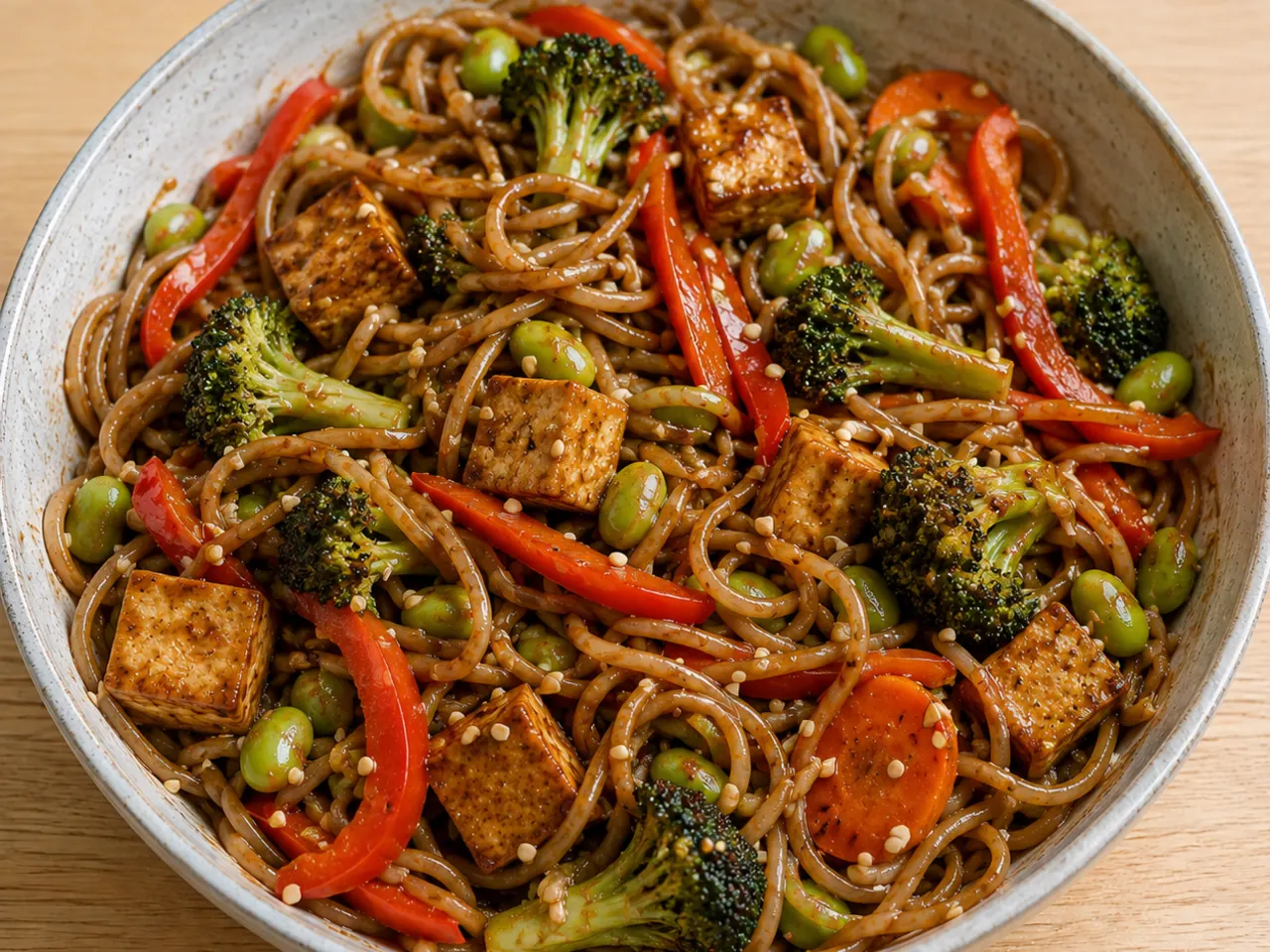
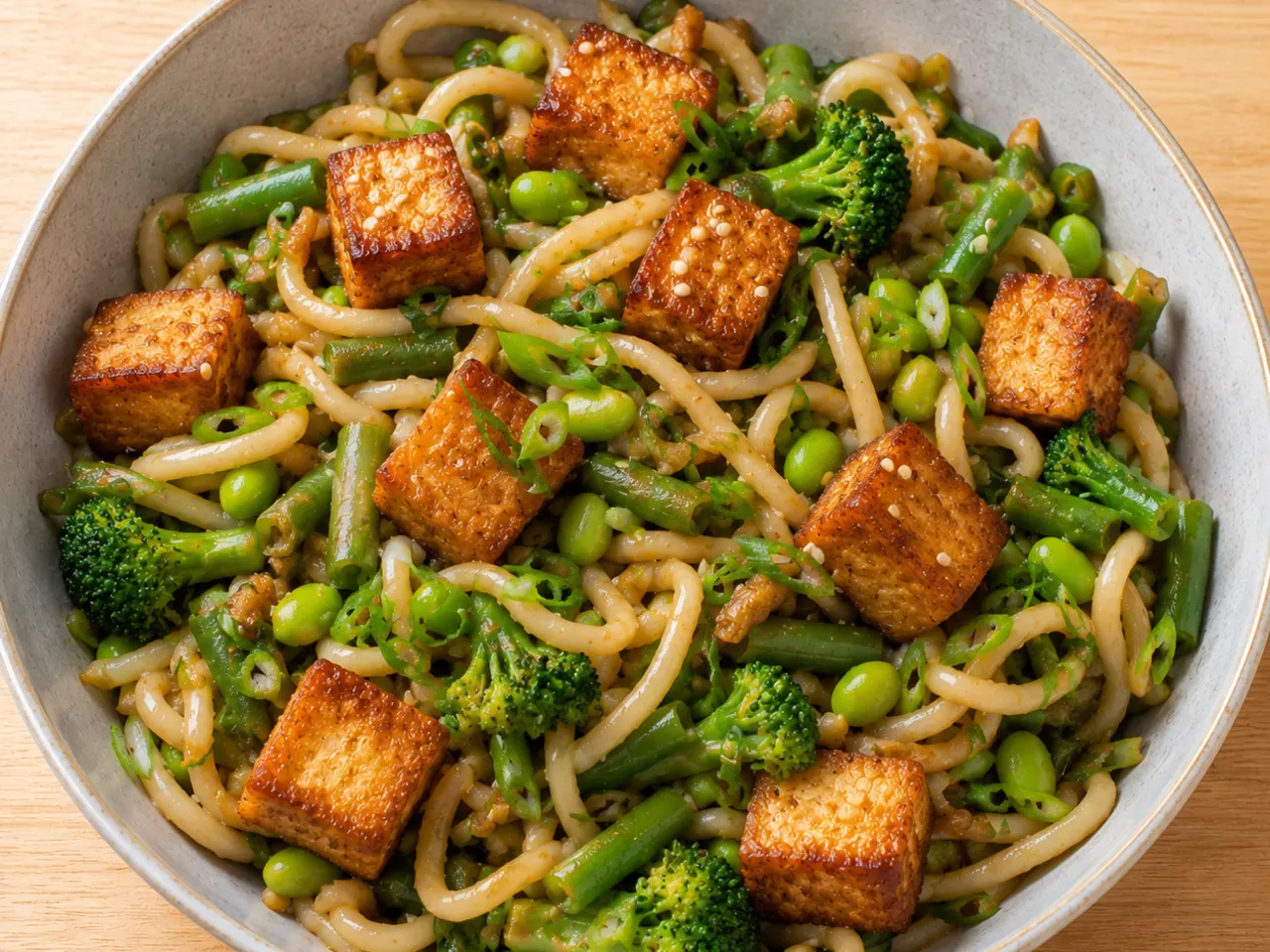
- Firm tofu. Press or pat it dry, then brown it before adding a sauce so the surface develops colour.
- Tempeh. This fermented soybean cake stays firm when sliced and takes well to a sharp marinade and hot pan.
- Edamame. Cooked young soybeans can go straight into noodles, salads or a quick bowl with rice and vegetables.
- Unsweetened soy milk. Use it in porridge or smoothies; check the label, because protein and fortification vary by brand.
- Textured soy protein. Rehydrate the dried pieces, squeeze out excess liquid and simmer them in a well-seasoned tomato sauce.
- Seitan. Made from wheat gluten, it can be sliced into stir-fries or sandwiches. It is not suitable for anyone who must avoid gluten.
Tofu, tempeh and textured soy protein can stand in for a substantial part of a meat-based dish. Soy milk cannot do that on its own. Seitan is rich in protein but relatively low in the essential amino acid lysine; eating a varied diet that includes pulses addresses that limitation without requiring elaborate food combinations at each meal. Soy and wheat are also common allergens, so these are options rather than universal substitutes.
Four nuts and seeds worth using as additions
Nuts and seeds contain protein, but they also bring considerable fat and energy. That is not a defect. It does mean a spoonful of seeds does not replace a serving of beans, tofu or fish when protein is the main aim. Use these foods for texture and flavour alongside a substantial protein source.
- Peanuts. Whole peanuts add crunch; unsweetened peanut butter can become a sauce with water, lime and chilli or a beautiful treat for a complicated evening directly with a spoon (my sister gained 15kg in 2 months using this method so be careful).
- Pumpkin seeds. Toast them briefly and scatter them over soup, lentils, granola or roasted vegetables.
- Hemp seeds. Stir shelled seeds into porridge or spoon them over a finished dish; their soft texture needs no preparation.
- Almonds. Chop them for a crunchy topping, or use a modest amount of almond butter in a dressing.
These choices are not environmentally interchangeable simply because they are plants. Growing conditions and water use matter, as do packaging and waste. Nor is the most expensive seed automatically the most useful one. Peanuts or pumpkin seeds may do the job just as well in a particular dish; choose a food you will actually finish, and avoid any that trigger an allergy.
Eight animal foods that can fit without dominating the plate
Including animal foods does not mean making meat the default centre of every meal. These choices offer different nutrients and cooking possibilities, but their production impacts vary. Broad food-production analyses find substantial differences between food categories and among producers; replacing some ruminant meat with pulses is a clearer environmental move than assuming every animal food has the same footprint. [Poore and Nemecek, 2018]
- Eggs. Add a cooked egg to a bowl of greens and grains, or make a vegetable-heavy omelette. I have three chickens so I eat a few eggs a weeks !
- Plain strained yogurt. Straining removes some liquid, giving it a thicker texture; use it as a sauce base or with fruit.
- Cottage cheese. Spoon it onto toast with tomatoes and herbs; compare labels if sodium matters to you.
- Sardines. Canned sardines make a quick meal with beans, lemon and greens, and provide marine omega-3 fats.
- Mussels. Steam properly sourced mussels until cooked and serve them with vegetables and bread; follow local shellfish safety advice.
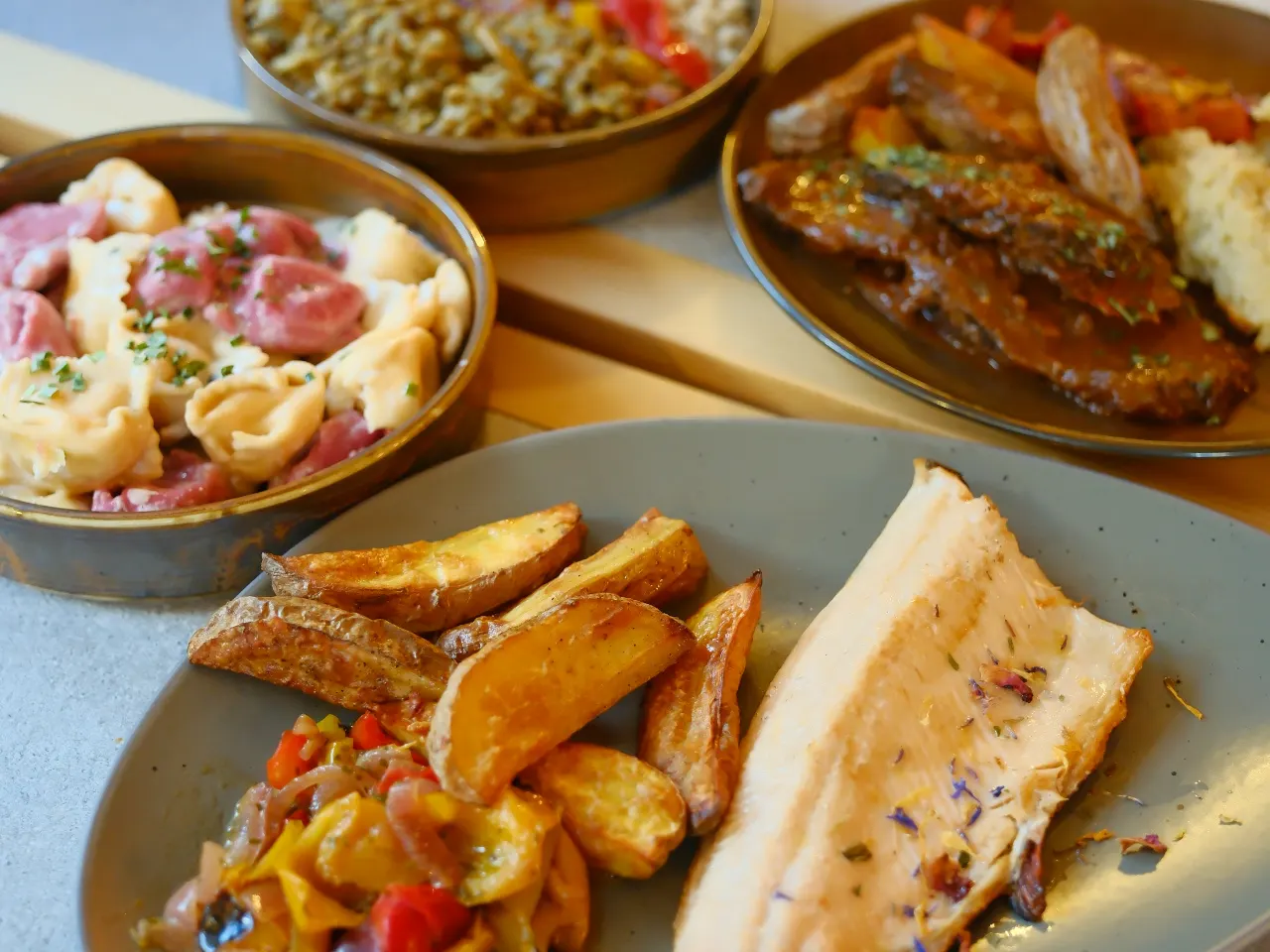
- Trout. Bake it with herbs and serve alongside lentils or potatoes; sourcing and production methods can differ.
- Chicken. Use cooked pieces in a vegetable-and-bean stew rather than building the entire meal around meat.
- Turkey. Roast or pan-cook unprocessed turkey and add it to a grain bowl; processed deli slices may carry much more salt so don't use it. Try to always go for the unprocessed version of food.
Fish and shellfish call for some care beyond their protein content: species, fishing or farming practices, and local safety guidance all matter. Eggs and dairy can be convenient, but neither is compulsory. The useful question is which food fills a real nutritional and culinary need in the meal; not whether it can be declared universally “best.”
Protein source matters, but the evidence has limits
Proteins supply amino acids, which the body uses to build and repair tissues. Foods supply more than amino acids, though. Lentils arrive with fibre; fish can supply marine fats; dairy can contribute calcium; meat and shellfish provide vitamin B12. A protein comparison that ignores those accompanying nutrients (or the rest of the meal) misses much of the point.
For cooking decisions, that leaves a grounded rule: choose enough protein from foods that also improve the rest of your diet. If you eat no animal foods, plan reliable B12 intake rather than expecting beans or vegetables to supply it.
Build meals from the list without counting every bite
Start with a substantial protein food, then add vegetables and a grain or starchy food. Lentils with roasted vegetables and bread; tofu with cabbage and rice; or sardines with white beans and tomatoes all follow that pattern. Nuts and seeds can round out the dish, but they don’t need to be the main source of protein. For a meat dish, adding beans and vegetables can let a smaller amount of chicken or turkey go further.
Keep convenient forms available. Canned beans, frozen edamame, shelf-stable soy pieces, eggs and canned sardines have different storage needs, but each can shorten the route from an empty pan to dinner. Cooked dried pulses can be refrigerated for upcoming meals or frozen in portions. C
If you are replacing animal foods more often, pay attention to what leaves the diet as well as what enters it. Fortified soy milk may be a more useful dairy replacement than an unfortified, low-protein plant drink. People with higher protein needs, food allergies or conditions requiring a modified diet may need a more tailored plan. A varied list is helpful precisely because it allows those adjustments. You can also use the meal planner to help you design your week. You can even add your own recipes using the community menuItem.
The practical takeaway
The strongest approach is not to rank all 25 foods from virtuous to forbidden. Make pulses and soy foods regular meal ingredients, use nuts and seeds where they improve a dish, and include animal foods in amounts that suit your needs and preferences. That leaves room for an egg at breakfast, yogurt in a sauce or fish at dinner without making animal protein the organising principle of every plate.
It is well established that protein adequacy matters and that protein foods differ in the fibre, fats and micronutrients they bring. Food-production footprints also differ considerably. What is less certain is how a particular product was produced or what benefit any one swap will deliver for an individual. If you want one useful starting move, replace some meat in a familiar meal with lentils, beans or tofu ; and make the result worth eating again (and even though it sounds cheesy, the planet will thank us if we're enough to make the shift).
Comments
Be the first to comment 👇