Yes, Organic Food Costs More
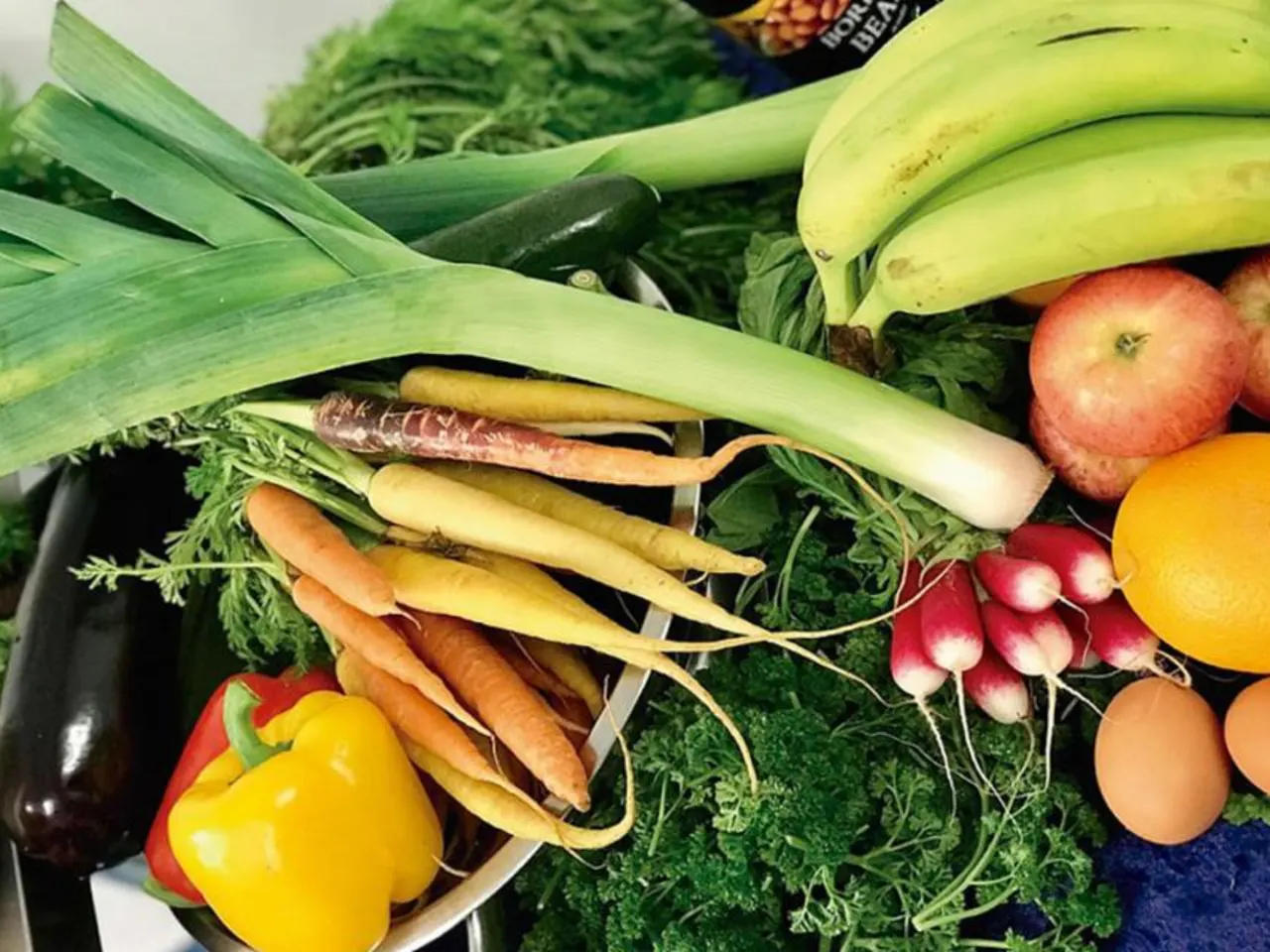
Let’s begin with the mildly offensive truth: organic food is often more expensive. A touching little surprise, really, waiting for you between the tomatoes and your electricity bill. The reasons are fairly sensible, even if they do not make checkout any more charming. Organic farming usually depends on more labor, smaller-scale production, stricter certification, and fewer synthetic shortcuts. In plain English, somebody is doing the slow, careful work that modern food systems have taught us to expect for the price of a sad vending machine sandwich. That higher cost can help support healthier soils, lower pesticide use, better biodiversity, and farming methods that are generally less brutal to ecosystems. Not glamorous, but neither is a collapsing food system.
Organic Is Not a Magic Halo
From a nutrition point of view, organic food is not a golden ticket to immortality. An organic cookie is still, sadly, a cookie (I know it bumps me too). But choosing organic can reduce exposure to certain pesticide residues, and for many people that is a meaningful benefit, especially for foods eaten often. The bigger health advantage usually comes from the habits that tend to travel with organic shopping: cooking more at home, eating more vegetables, legumes, and whole grains, and relying less on ultra-processed products whose ingredient lists look like a chemistry exam written by Dupont or any other rea-life villain. In that sense, organic works best not as a status symbol for people who alphabetize their lentils, but as part of a calmer, more plant-forward way of eating.
Where EAT-Lancet Actually Helps Real People
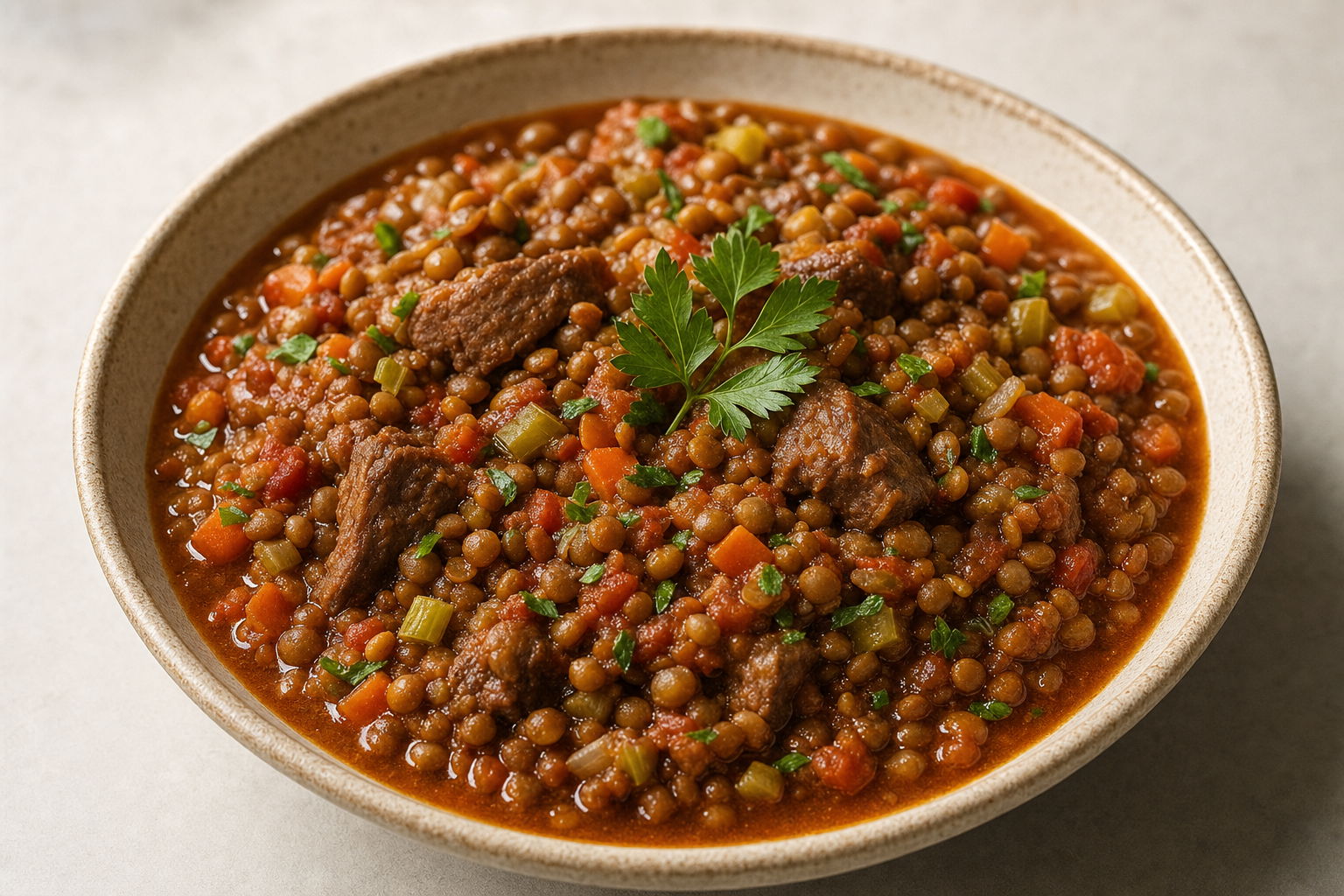
This is where the EAT-Lancet approach becomes refreshingly practical. If you eat less meat and fish overall, you create room in the budget to buy better meat and fish when you do want them. Instead of making every meal orbit a large steak, chicken breast, or salmon fillet like it is the center of the culinary universe, animal foods can play a smaller but still delicious role. A modest amount of organic chicken in a vegetable-rich stew, or a little responsibly sourced fish with beans, grains, and greens, can be satisfying without requiring a financial support group. Environmentally, this matters too: fewer resource-heavy animal products, more plants, lower emissions, and less pressure on land. Conveniently, the planet also appreciates not being flambéed for our lunch habits.
How to Make Organic More Accessible
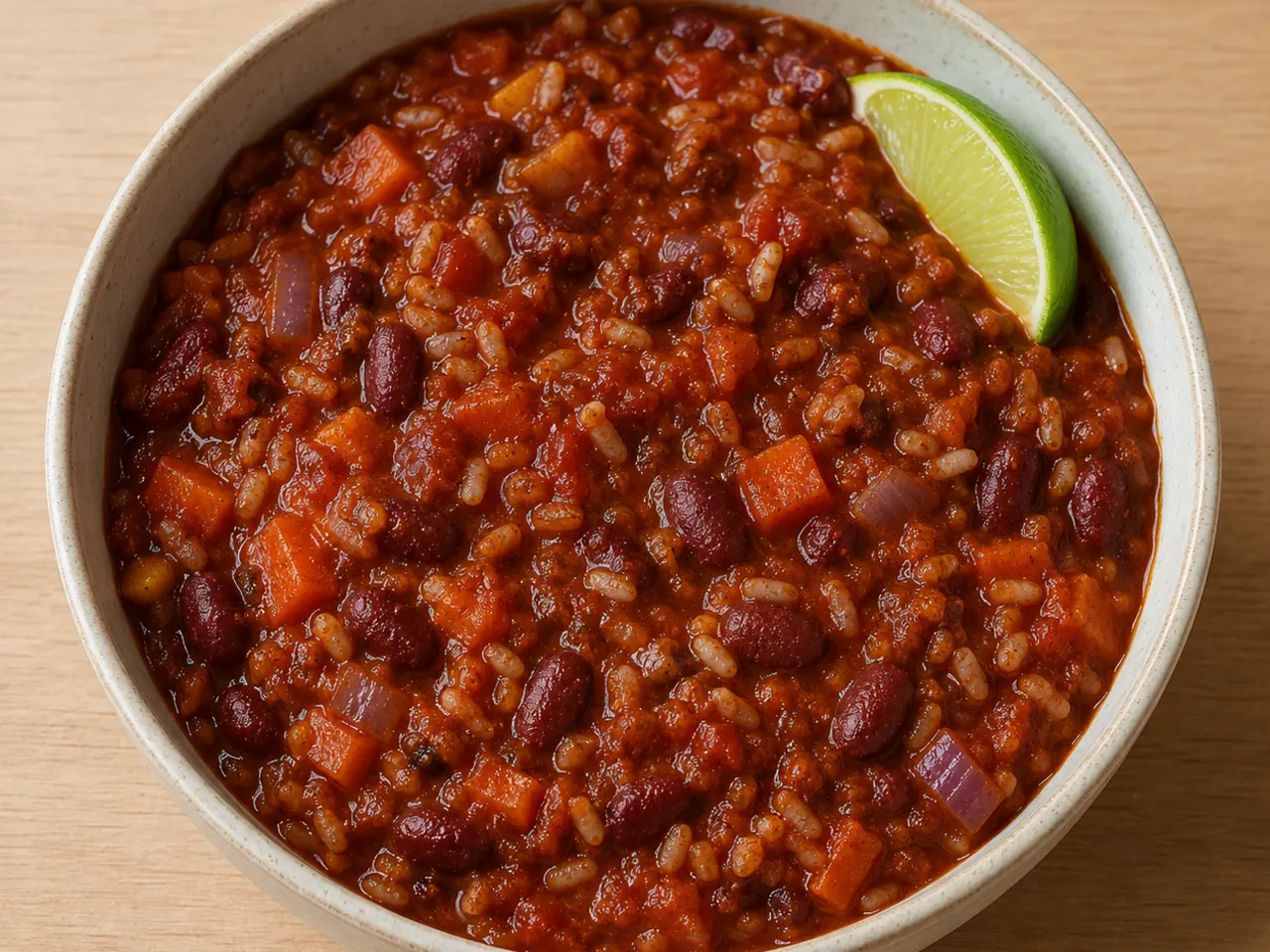
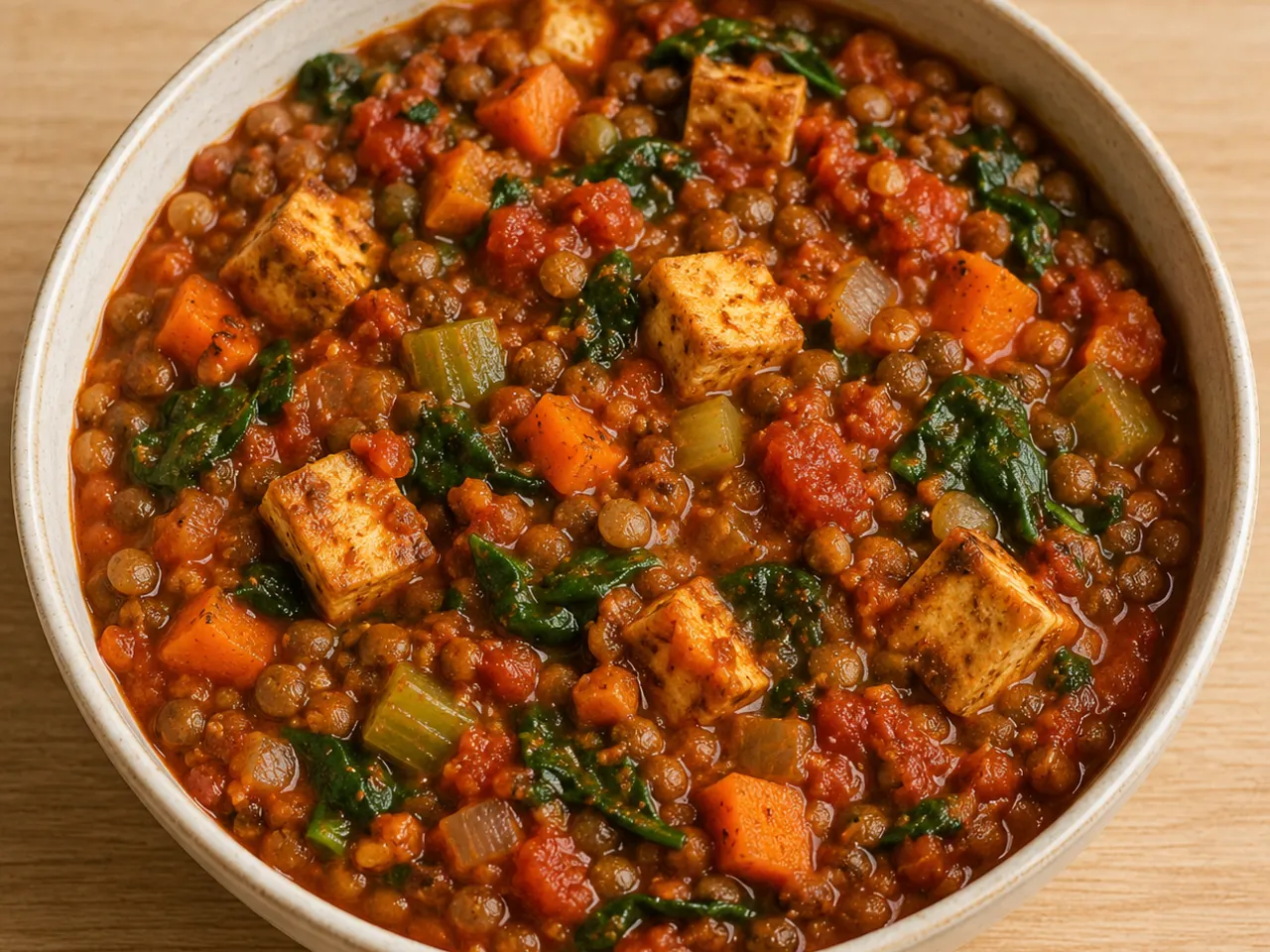
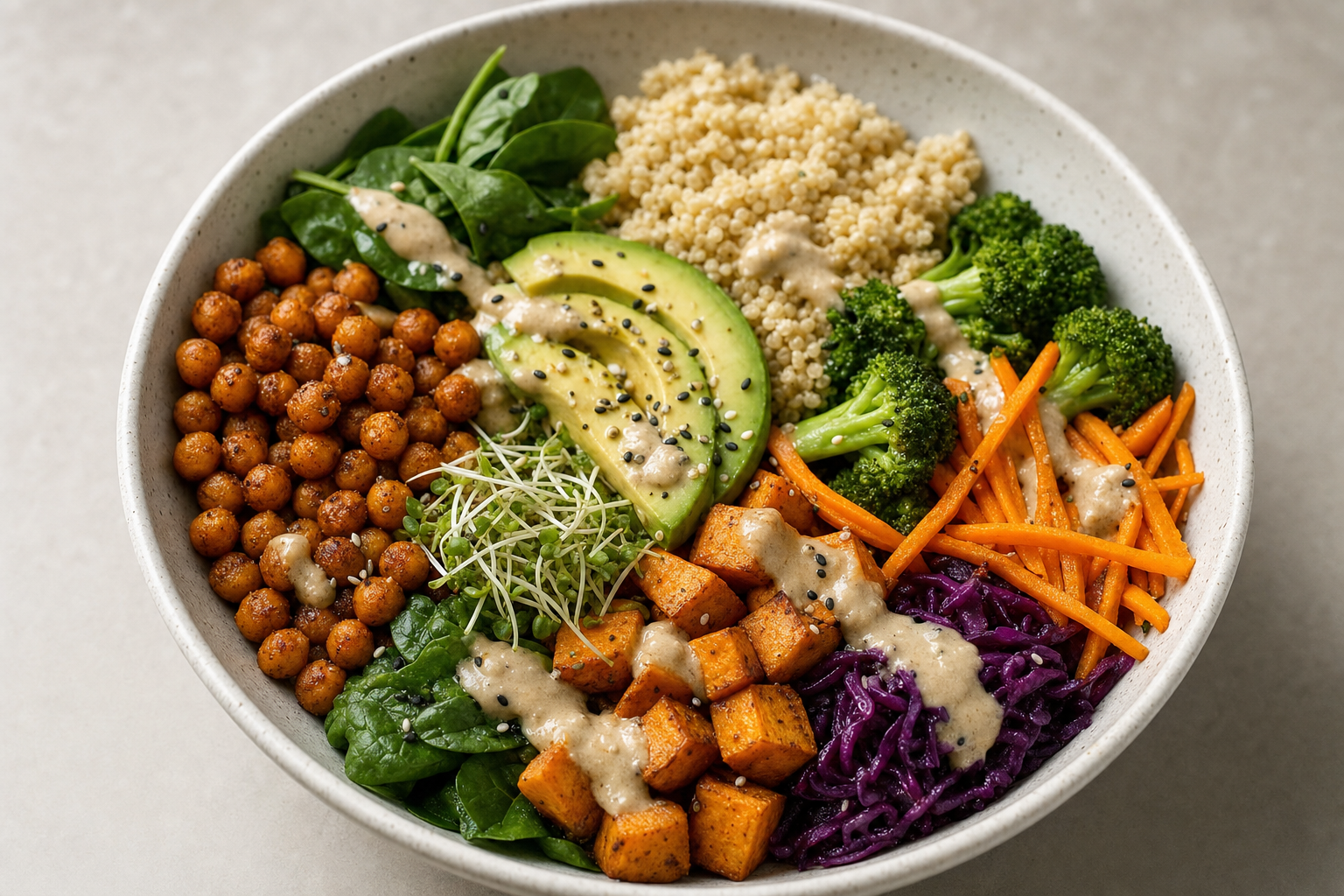
The nice surprise is that this shift can make food feel more luxurious, not less. When meat or fish becomes occasional and intentional, quality matters more and waste usually drops. You buy fewer expensive items, cook them with more care, and stretch them with lentils, chickpeas, seasonal vegetables, and grains that cost less while bringing fiber, minerals, and actual staying power. For families, this is often the sweet spot between health, budget, and pleasure: a lentil bolognese with a small amount of good beef, or a vegetable risotto finished with a little well-chosen cheese, can cost less than the fully meat-heavy version and still taste like proper dinner rather than nutritional punishment (and I swear to you, the children won't throw their plate at your face). In the end, that is the real value of organic food: it becomes far more realistic when we stop insisting that the most expensive ingredients must be the star of every single plate.

Comments
Be the first to comment 👇