
Start with the texture, not a bigger portion
Three tablespoons of lentils blended into a tomato sauce will be easier for a child to accept than three tablespoons served whole. Children notice skins, graininess and unfamiliar shapes. If you want kids to eat more beans and lentils, changing the texture is often the most easy way to begin.
A cup of cooked lentils provides about 18 grams of protein and 15 grams of fibre [Harvard Nutrition Source]. That's an adult-sized reference quantity, not a portion to put in front of a toddler (unless you want direct confrontation). A spoonful mixed into food they already eat still contributes something. Lentils also bring iron and folate; the rest of the meal will determine how much of each nutrient the child gets.
Red lentils fall apart in a saucepan. White beans become smooth in a blender. Chickpeas hold their shape and have a firmer skin. You can use those differences to make pasta sauce, cake batter or a dip without asking your child to get used to all three textures at once.
Red lentils vanish into tomato sauce; white beans make it creamy
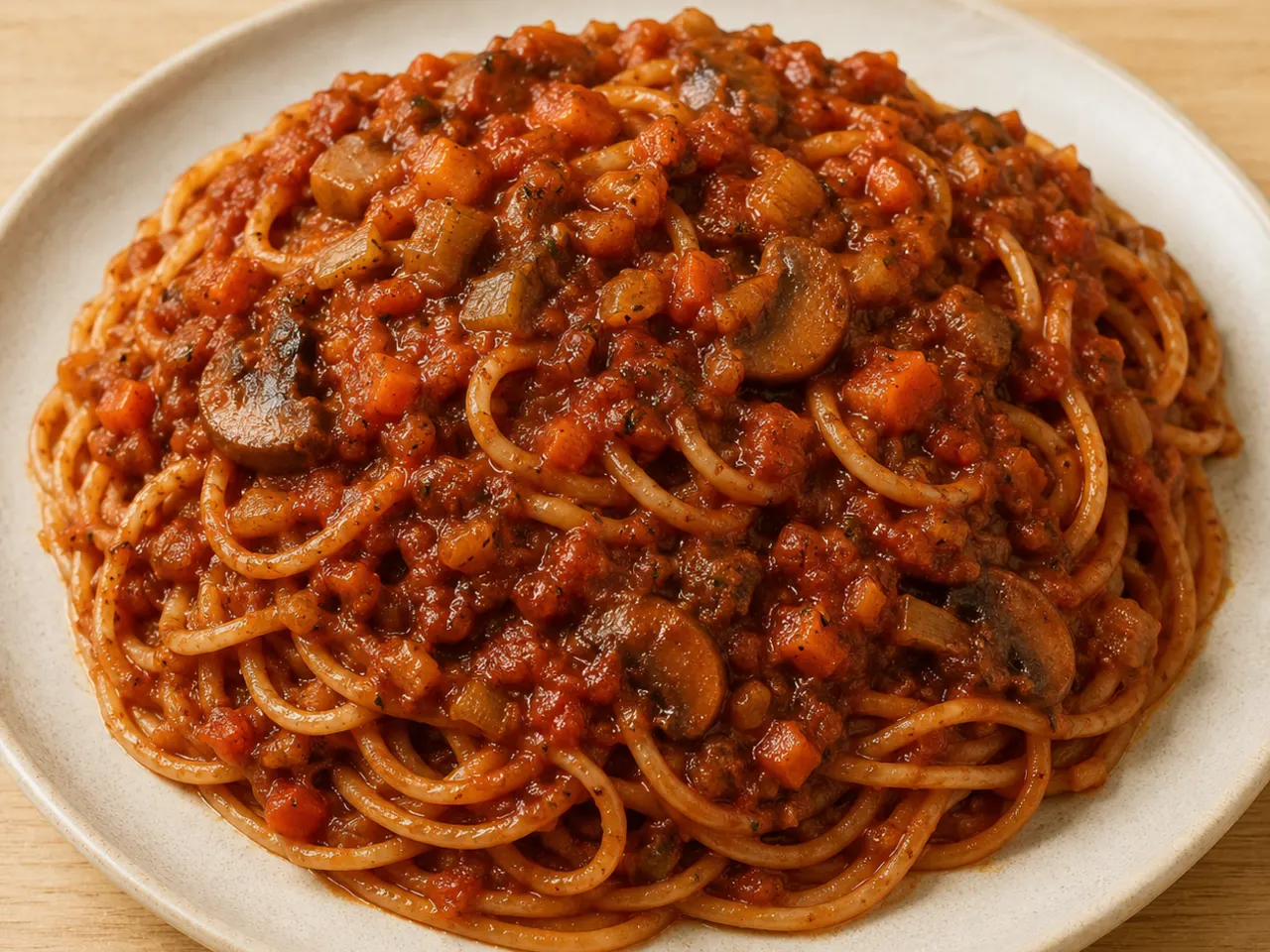
Split red lentils cook quickly and soften until they almost dissolve. For an everyday pasta sauce, simmer 60 to 80 grams of dry red lentils in 400 to 500 grams of passata with water as needed. After roughly 15 to 20 minutes, when the lentils are fully soft, blend the sauce. If it has turned into a paste, add water or reserved pasta cooking liquid. A little extra garlic or basil helps it taste like the tomato sauce your family already knows.
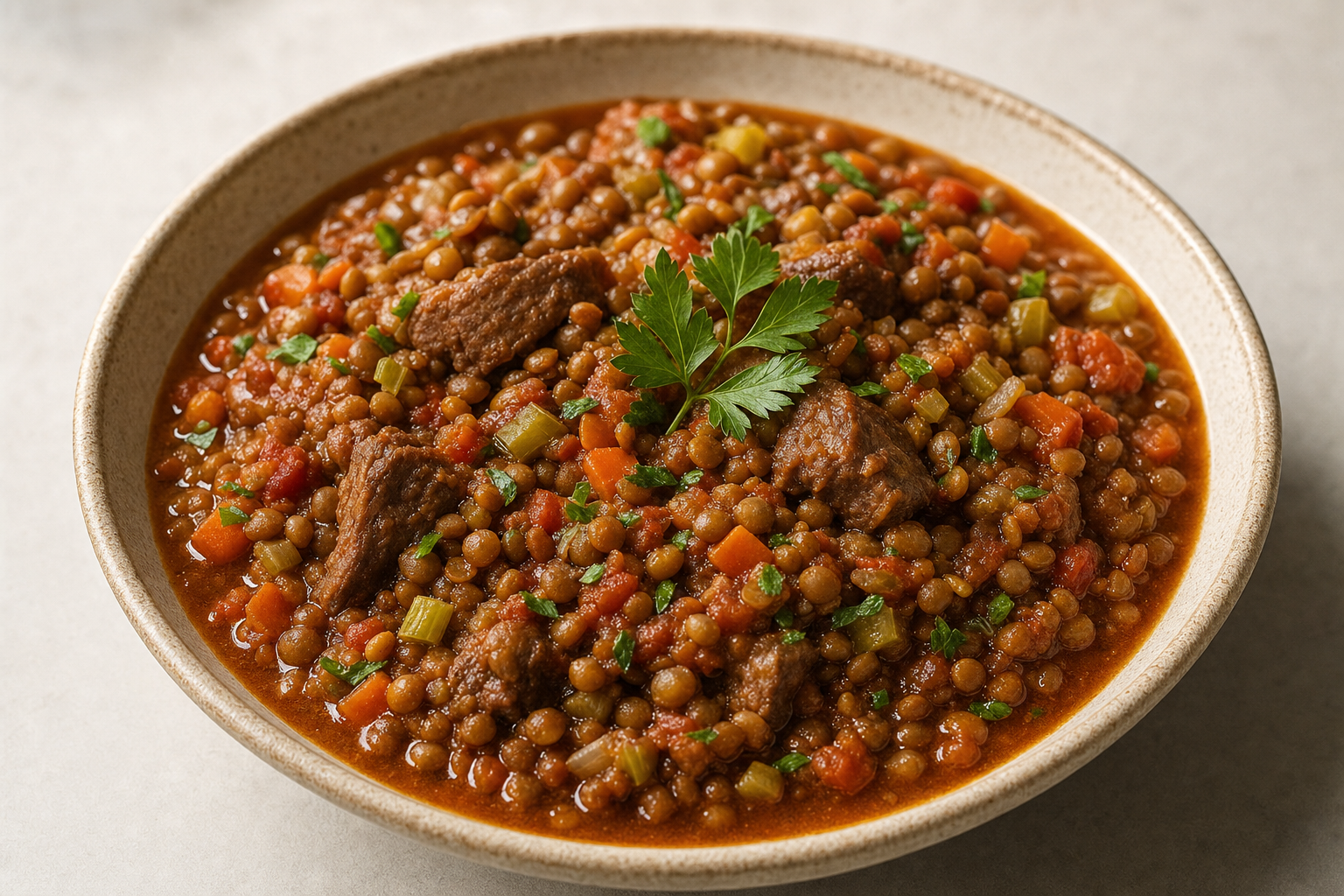
I take a related approach in my lentil bolognese. I blend the tomato and vegetable base because I prefer it smooth, then add cooked lentils and let them simmer with mushrooms. The published recipe keeps more texture than the fully blended version above. For a child who dislikes visible lentils, you can blend some of the finished sauce as well. A Bolognese with half the minced meat replaced by lentils is another option for families who want to change a familiar dinner gradually.
White beans are particularly useful in pale sauces. Blend around 150 grams of rinsed, cooked cannellini beans with a little milk or unsweetened soy milk, garlic and grated cheese. Warm gently, then thin it with pasta water until it coats the pasta. Cannellini beans give body through their starch; the sauce needs less cream to feel thick. You can also add them to pumpkin soup or a mild cauliflower sauce before blending.
Sauce texture changes as it cools. A spoonful of beans can thicken a pan more than expected, and the difference becomes obvious on leftover pasta. Thin the sauce when reheating instead of adding more oil. If the family is attached to a particular jar of tomato sauce, stir a few spoonfuls of the lentil version into it first. Keep the seasoning and pasta shape unchanged for that meal.
I put red lentils in cake, and the baking tin matters
Beans work in sweet baking because cooked beans can add moisture and body. Black beans blended with cocoa can make a dense brownie; chickpeas can go into soft cookies or banana muffins. The batter needs a recipe designed around that ingredient. Swapping a cup of wheat flour for a cup of bean purée without changing anything else usually gives you a different cake, and often a wet centre.
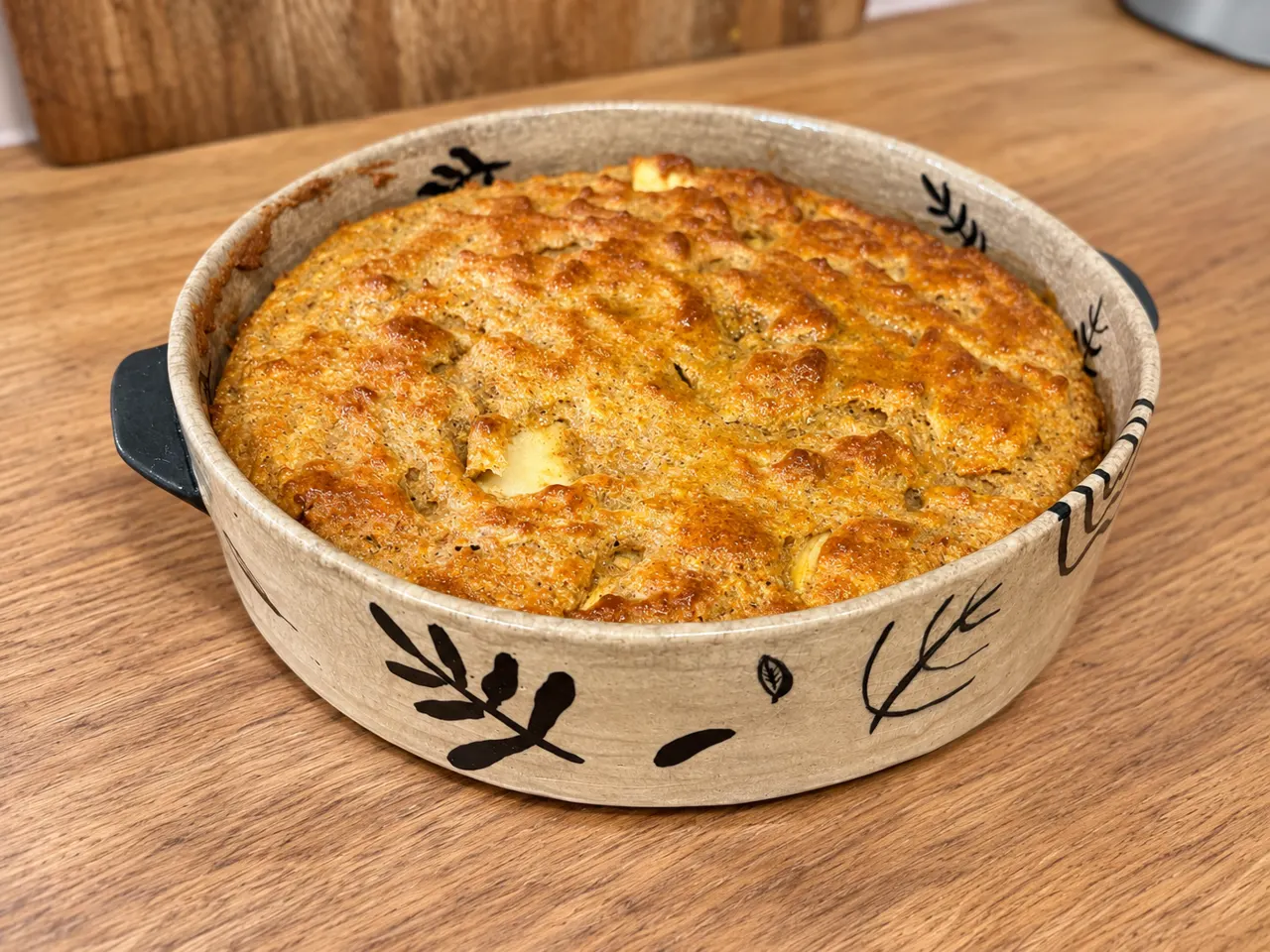
I use cooked red lentils in my apple and cinnamon lentil cake. The lentils are blended with skyr and eggs before the mixture meets the flour and grated apple. There are no visible lentil pieces in the finished batter, and the apple and cinnamon are the dominant flavours. The recipe uses a loaf tin and needs time to cool before slicing because the crumb stays moist.
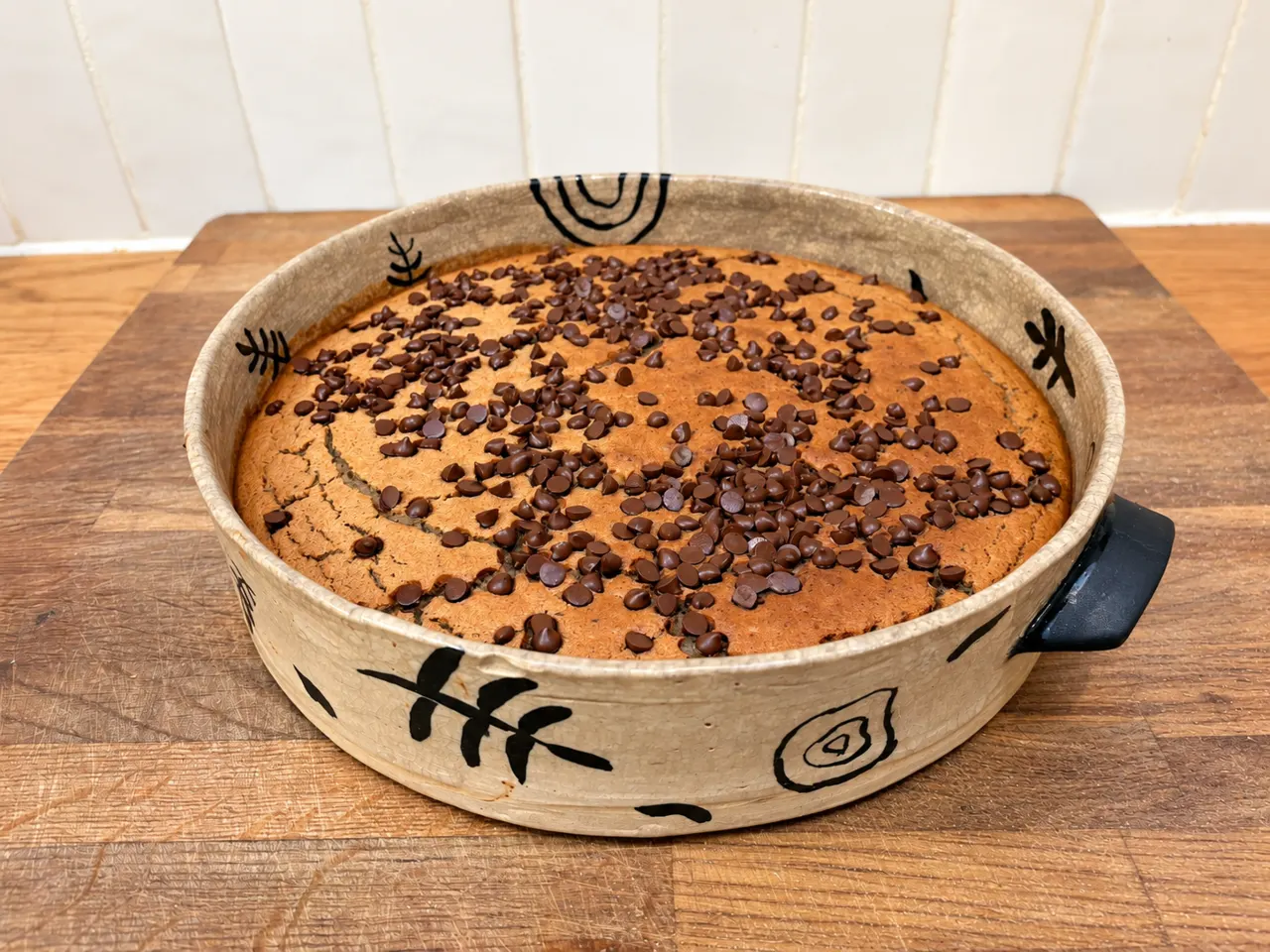
My red lentil breakfast cake takes a different route. It uses red lentils soaked in hot water, then drained and blended into a batter with banana, dates, oats and almond flour. I divide it between two shallow 20-centimetre pans. A deep layer is much harder to cook through before the edges dry out. The recipe also records a less appealing detail: the cake gets drier after a night in the fridge. More soy milk in the batter can help if you're preparing it ahead. This is the sort of information a recipe needs when lentils replace part of the usual baking ingredients.
For brownies, start with fully cooked black beans, drain them thoroughly and blend until smooth. Cocoa is strong enough that a modest quantity of beans doesn't dominate the flavour. For muffins, a small amount of smooth chickpea purée works better than leaving recognisable pieces in the crumb. Different beans absorb different amounts of liquid, so test a recipe for that exact bean instead of guessing the substitutions.
You can also bake with flour made from legumes. Chickpea flour works in savoury pancakes and waffles; lupin flour can be used in some cookies. I mix lupin flour with oat flour for my chocolate chip cookies. It behaves differently from a spoonful of puréed beans. Bake legume-flour batters fully, and check for allergies.
Cake is one way to introduce an unfamiliar ingredient, though its sugar and portion size still matter. The main advantage is culinary: you can make something worth eating while learning how lentils behave in a batter.
Legume pasta keeps dinner familiar, provided you watch the clock
Red lentil penne and chickpea fusilli are useful because the plate can look much like an ordinary pasta dinner. Some brands use only legume flour and water; others mix legumes with rice or corn. Check the ingredient list and compare protein and fibre per 100 grams of dry pasta. Cooked portions contain different amounts of water depending on shape, brand and cooking time, so their nutrient numbers are harder to compare directly.
There is a texture penalty if you cook legume pasta as though it were ordinary wheat pasta. Chickpea pasta can crumble; red lentil pasta softens quickly and develops a more noticeable flavour when overcooked. Start checking it before the shortest time on the packet, drain carefully and add the sauce immediately. I use a thick roasted-vegetable sauce in my pumpkin and carrot lentil pasta. My red lentil penne with spinach is quicker to make.
A full substitution isn't required. Cook a small amount of legume pasta beside the usual pasta and mix them after draining, preferably using the same shape. If the new pasta remains unpopular, keep it as an occasional option. But usually the difference goes unnoticed, at least in my family, and I have two picky toddlers..
Wraps, burgers and dips give beans a different shape
A child who pushes beans around a plate may accept the same ingredient mashed inside a warm tortilla. These dishes are handy when children prefer to pick up food, dip it or decide what goes into their own wrap.
- Quesadillas. Mash cooked white or black beans, spread them thinly inside a tortilla and add cheese. My tofu and white bean quesadillas add grated tofu, sweetcorn and Emmental, which holds the filling together.
- Burgers. Mix mashed beans with a binder and cook until the centre is set. My red bean burgers use minced Quorn, red beans, onion and paprika, and brown at the edges while staying soft inside. You can make smaller patties for children.
- Empanadas. Beans disappear into a chopped filling more readily than they do beside rice. My seitan and black bean empanadas tuck the beans into a whole-wheat pastry shell with seitan and red pepper.
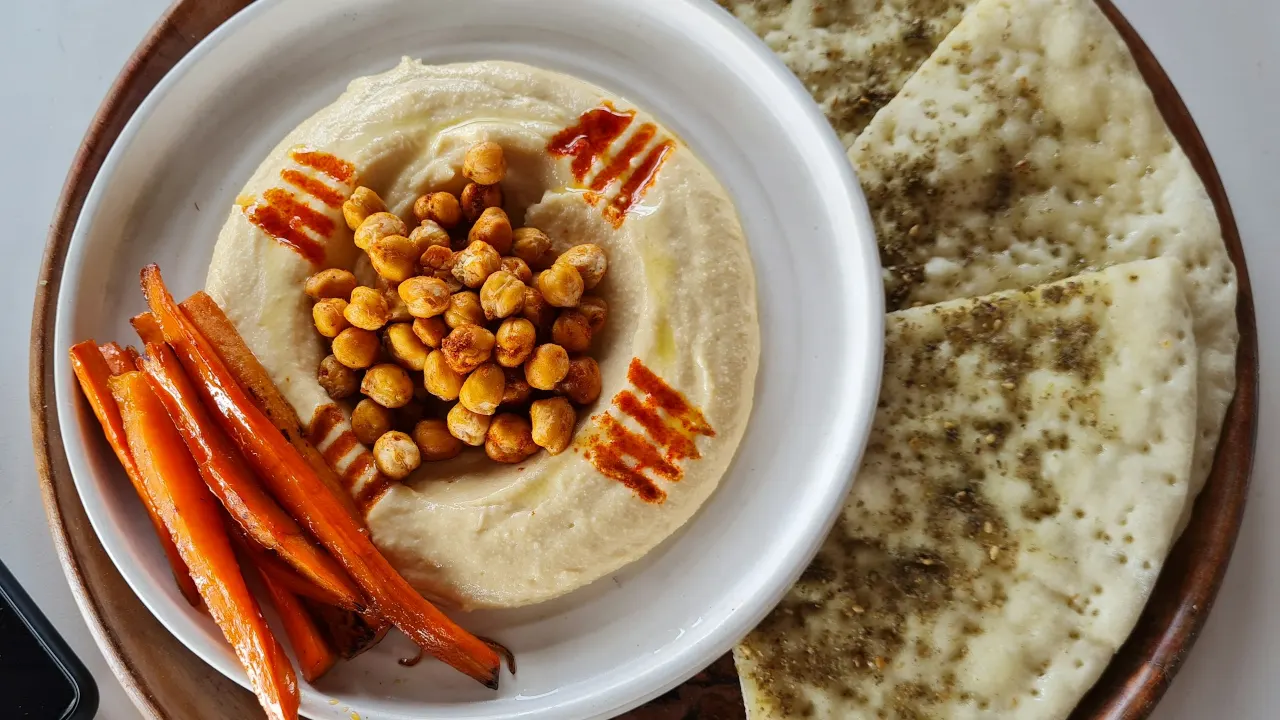
- Dips. Chickpea hummus, blended white beans with lemon, or a smooth red lentil dip can go beside soft pitta bread. Let the child decide how much to spread or dip.
- Waffles and fritters. Chickpea flour works in a cooked savoury batter with grated courgette. Mashed lentils can join grated vegetables, breadcrumbs and egg in small pan-fried fritters. Keep the middle moist and fully cooked.
A few spoonfuls of lentils also fit into meatballs, baked potato filling or a rice croquette. If you use canned beans, drain them well before mixing a burger or fritter, since extra moisture makes patties fall apart. For very young children, avoid hard roasted chickpeas and other firm, round snacks that are difficult to chew, I learned it the hard way.
Small portions, safe cooking and a workable week
Beans and lentils contain enough fibre that a sudden large serving can cause wind or discomfort, especially for a child who rarely eats them. Start with a tablespoon or two mixed into a meal and adjust according to age, appetite and tolerance. Water at meals helps, too. For babies starting solids at around six months, the NHS includes pulses among suitable foods once cooked and prepared in a soft, age-appropriate texture [NHS, first solid foods]. Mash or flatten round beans for children who cannot yet chew them reliably, and supervise eating.
Legumes contain iron, although iron from plants is less readily absorbed than iron from meat and fish. Tomato sauce, citrus fruit and other foods containing vitamin C can improve its absorption [Health Canada, iron]. That makes lentils in tomato sauce a sensible combination for reasons beyond taste.
A can of beans is ready to use once drained; a quick rinse helps remove some of the salty packing liquid. Dry red kidney beans need particular care. Soak them for at least five hours, discard the soaking water and boil vigorously for at least twenty minutes before using them in another dish. Slow cookers alone don't reach the temperatures needed to reliably deal with the lectins in undercooked kidney beans [Health Canada, Lectins].
One practical weekly pattern is lentils in a tomato sauce, white beans mashed into quesadillas, and a small batch of legume pasta on another evening. Leftover cooked lentils can go into a cake recipe that calls for them, while a can of black beans can become a dip or burger filling. When beans replace some beef, the environmental impact of the meal can fall substantially. A large food-production analysis found plant protein sources generally had much lower greenhouse-gas impacts than beef [Poore and Nemecek, 2018].
If the family uses only one technique at first, choose the one that fits a dish you already cook. A pot of tomato sauce can be doubled and frozen in small portions; later, the same cooked lentils can be served intact at the table for anyone who wants to try them.

Problem is getting my wife to eat them, Am I right or am I right ahah