What cadmium is, and why food is involved
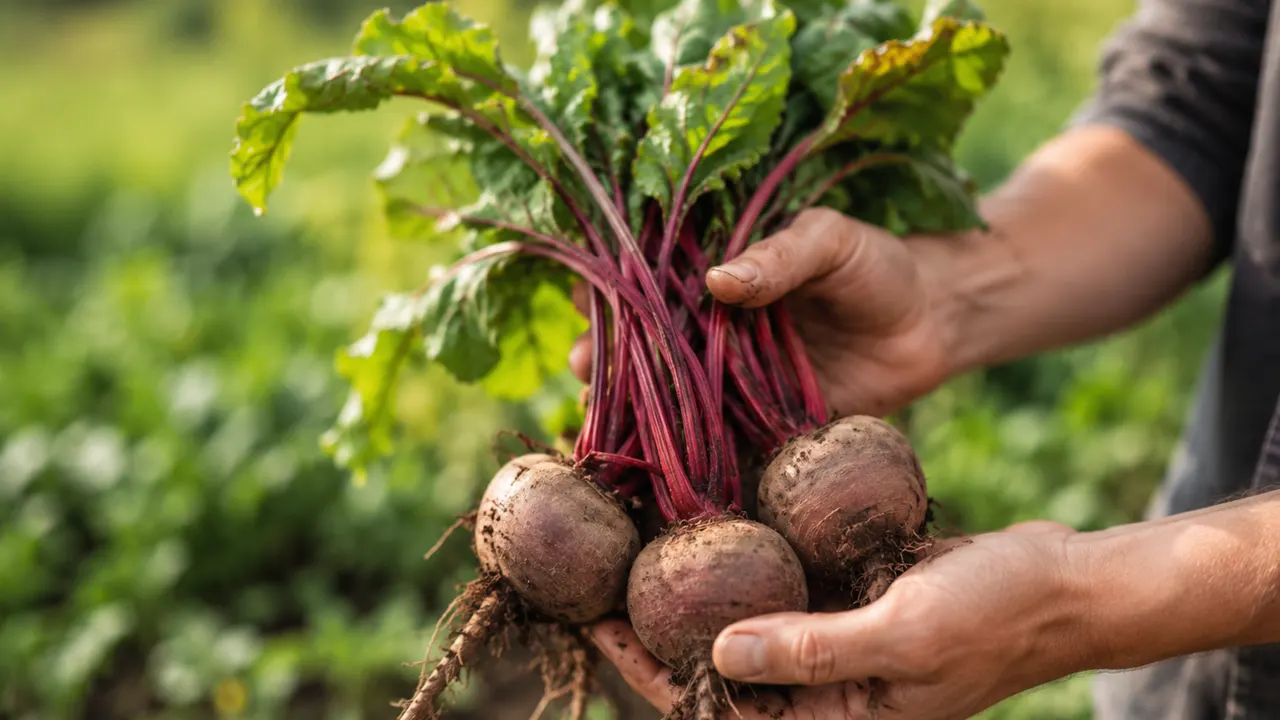
Cadmium is a naturally occurring heavy metal that can also enter soils through industrial pollution and some agricultural inputs. Plants can take it up from soil and water, so small amounts may turn up in everyday foods: cereals and flour, potatoes and other vegetables, pulses, leafy greens, cocoa products, nuts, and seeds. Levels vary with the soil, crop, growing area, and product—not with how virtuous the packaging looks. You cannot taste cadmium, and no kitchen ritual reliably makes it vanish.
Cadmium is not the kind of contaminant where one meal is the problem. The concern is long-term exposure. Once absorbed, cadmium leaves the body very slowly and can remain there for decades, gradually accumulating particularly in the kidneys.
Over time, excessive exposure can impair kidney function and affect bone health. Cadmium is also classified as a human carcinogen. That sounds alarming, but the useful takeaway is much less dramatic: what matters most is your exposure over years, not whether you ate lentils, whole grains or a few squares of dark chocolate today.
That is why reducing cadmium exposure is mostly about sensible long-term habits — eating a varied diet and avoiding excessive reliance on a single higher-cadmium food — rather than eliminating otherwise nutritious foods.
The useful response is rotation, not panic
Do not ban bread, lentils, spinach, or dark chocolate because a scary headline has discovered a metal. Variety helps avoid relying heavily on any single potentially higher-cadmium food, although total exposure ultimately depends on both the cadmium concentration and how much of each food you eat. Rotate grains and flours: oats, wheat, rye, barley, corn, buckwheat, and different rice products where available. Alternate lentils, beans, chickpeas, and peas. Change vegetable families over the week instead of relying on a permanent mountain of the same leafy green or root vegetable. For children especially, variety matters more than turning one "healthy" snack into a food group.
Chocolate is food, not a mineral supplement
Cocoa can contribute meaningful cadmium exposure because cacao naturally draws minerals from the soils where it grows. This is not an instruction to fear a square of chocolate; it is a reason not to treat very dark chocolate or cocoa powder as an unlimited daily health product. Vary brands and origins when that information is available, use cocoa as one flavour among others, and keep portions ordinary. A product can be single-origin, ethically wrapped, and still contain a metal.
An EAT-Lancet approach without a plant monoculture
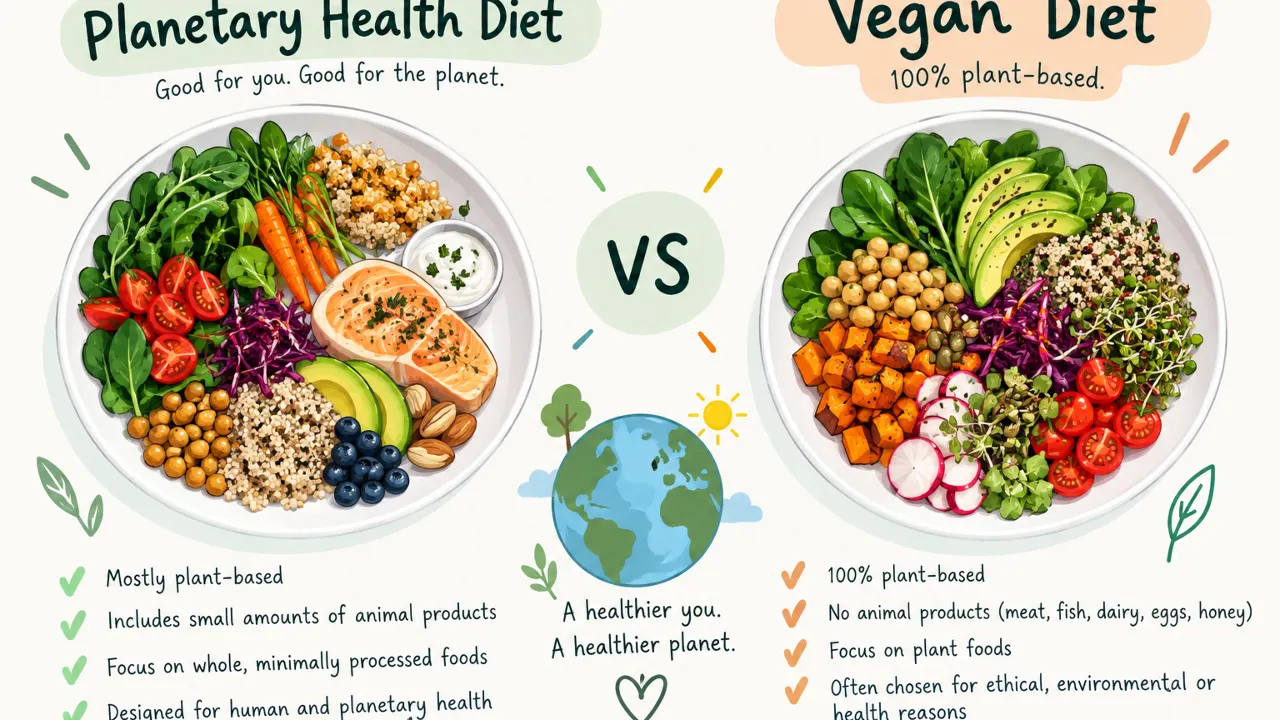
A plant-rich plate remains a sound direction for health and food-system sustainability, but plant-rich does not mean eating the same grain bowl every day until the end of time. [EAT-Lancet Commission, 2025] Keep whole grains, legumes, vegetables, fruit, nuts, and seeds in the picture, while spreading them across different foods and suppliers. Do not switch to refined flour simply to chase a theoretical lower exposure: whole grains remain valuable sources of fibre and nutrients. Buy what is affordable, vary it over time, and reserve frequent ultra-processed "health" products for the bin of ideas that sounded efficient on a spreadsheet.
Organic food may contain less cadmium
Eating organic may reduce dietary exposure to cadmium, particularly because phosphate fertilizers used in conventional agriculture can contain cadmium. Meta-analyses have found lower cadmium concentrations in organically grown crops, although human intervention data remain limited: one randomized trial found a nonsignificant downward trend in urinary cadmium during an organic-diet intervention. Organic certification is therefore no guarantee of zero cadmium, since plants can still absorb the metal from contaminated soil.
Source: Barański M. et al. (2014). Higher antioxidant and lower cadmium concentrations and lower incidence of pesticide residues in organically grown crops: a systematic literature review and meta-analyses. British Journal of Nutrition, 112(5), 794–811. DOI: 10.1017/S0007114514001366
Comments
Be the first to comment 👇